 Save It
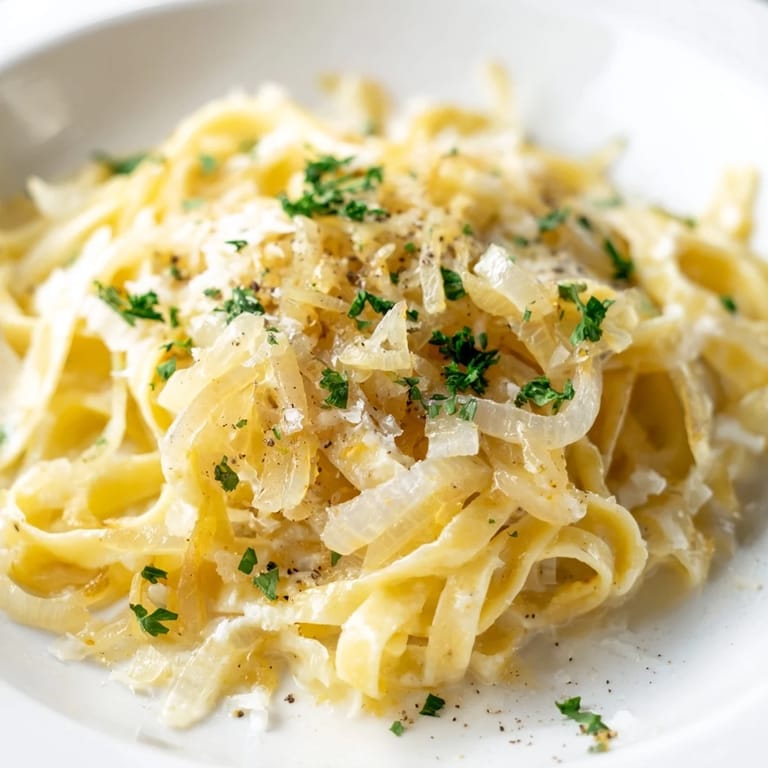
 There's something almost magical about the moment when onions transform from sharp and pungent to golden, glossy ribbons of sweetness. I discovered this dish on a chilly evening when I had nothing but pantry staples and an appetite for something warm. What started as an attempt to recreate French onion soup without the bread became something entirely its own—a pasta that tastes like comfort and takes only one pot to make.
The first time I made this for guests, I was nervous about cooking pasta directly in the broth—would it turn to mush? But watching my friend's face when she tasted it, the way she paused mid-bite with that look of pleasant surprise, told me everything. It became the dish I make whenever someone says they need real food, not just something quick.
Ingredients
- 3 large yellow onions, thinly sliced: Yellow onions are your best friend here because they caramelize beautifully and turn genuinely sweet, not bitter—don't skimp on quantity or thickness matters less than evenness.
- 2 cloves garlic, minced: Just enough to whisper in the background after the onions have had their moment.
- 350 g dry fettuccine or linguine: The wider ribbon shape catches the rich, winey sauce better than thin pasta would.
- 60 ml dry white wine: Use something you'd actually drink; the cheap stuff tastes cheap even after cooking.
- 1 L vegetable or beef broth: Beef broth deepens everything, but vegetable works beautifully if that's what you have on hand.
- 2 tbsp unsalted butter: The starting fat that helps those onions begin their golden journey.
- 120 g grated Gruyère cheese: This is where the magic happens—Gruyère melts into something silky and adds nutty depth that Cheddar simply can't replicate.
- 60 g grated Parmesan cheese: It's the finishing touch that brings salt and sharpness to balance all that sweetness.
- 2 tbsp olive oil: Paired with butter, it keeps the temperature stable so onions caramelize instead of burn.
- 1 tsp sugar: A tiny nudge that speeds up the caramelization process without making anything taste sweet.
- 1/2 tsp dried thyme and 1 bay leaf: Dried thyme works better here than fresh because it distributes evenly; the bay leaf adds a subtle earthiness.
- Salt and freshly ground black pepper: Taste as you go because the cheese brings salt too.
Tired of Takeout? 🥡
Get 10 meals you can make faster than delivery arrives. Seriously.
One email. No spam. Unsubscribe anytime.
Instructions
- Warm your pan and begin the golden magic:
- Heat butter and olive oil over medium heat in a large, deep skillet or Dutch oven, feeling the warmth radiate before you add the onions. Toss in your sliced onions with a pinch of sugar, and let them know they're in for a long, slow dance—this isn't a quick sauté but a patient caramelization that will take 20 to 25 minutes.
- Stir occasionally and watch the transformation:
- Every few minutes, run your wooden spoon through the onions, making sure they're cooking evenly and nothing's sticking to the bottom. Around the halfway point, you'll notice them start to turn golden; from there, keep checking because they'll deepen in color faster than you expect.
- Add garlic when the onions are nearly done:
- Once your onions are that beautiful deep golden brown, add your minced garlic and let it cook for just a minute, filling your kitchen with that irresistible aroma. Don't let it brown, or it'll turn bitter and ruin the whole moment.
- Deglaze with wine and scrape up all those flavorful bits:
- Pour in the white wine and use your spoon to scrape up every caramelized morsel stuck to the bottom—that's pure flavor. Let it bubble away for about 2 minutes until most of the wine has evaporated and the pan smells almost boozy-sweet.
- Build your broth base with herbs:
- Add the dried thyme and bay leaf to the pan, then pour in your broth and bring everything to a boil. You'll know it's ready for pasta when you see that rolling boil and smell the herbs infusing through the steam.
- Nestle in the uncooked pasta and simmer gently:
- Add your dry pasta right to the boiling broth, stir well so nothing sticks together, then reduce the heat to medium-low and let it simmer uncovered for 10 to 12 minutes. Stir frequently—this isn't set-and-forget cooking, but the active stirring helps the pasta absorb all that flavorful liquid evenly.
- Finish with cheese and seasoning:
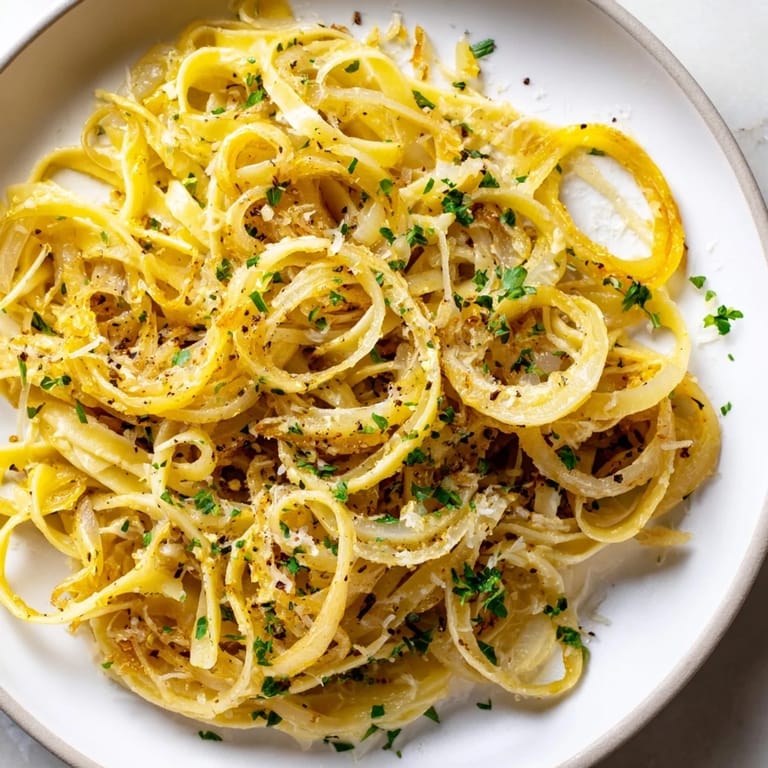
- When the pasta is tender and most of the liquid has been absorbed, fish out and discard that bay leaf, then add your grated Gruyère and Parmesan. Stir gently until the cheese melts completely and everything becomes creamy and cohesive, then taste and adjust with salt and pepper.
 Save It
 I'll never forget the quiet moment when my partner took a second bowl without asking and said nothing, just kept eating. Sometimes the best compliment isn't words but that gentle clink of a spoon, someone lost in a plate of food you made with your own hands.
Why Caramelization Changes Everything
Caramelization isn't just browning—it's a chemical transformation where the onions' natural sugars break down and reform into hundreds of new compounds that taste deeper, richer, and more complex than anything you started with. The longer you wait, the more patient you are, the better the payoff. This is why you can't rush it, and why this dish taught me that sometimes the slowest path creates the most memorable flavors.
The One-Pot Method That Actually Works
Cooking pasta directly in broth instead of salted water changes the game because the starch released from the pasta thickens the liquid into something velvety, while the pasta absorbs all those savory, winey notes. There's a rhythm to it—you have to keep stirring and watch the liquid level, but that attentiveness means you're there when everything comes together. It's more interactive than traditional pasta cooking, and somehow that makes it feel less like following a recipe and more like actually cooking.
Variations That Keep This Dish Surprising
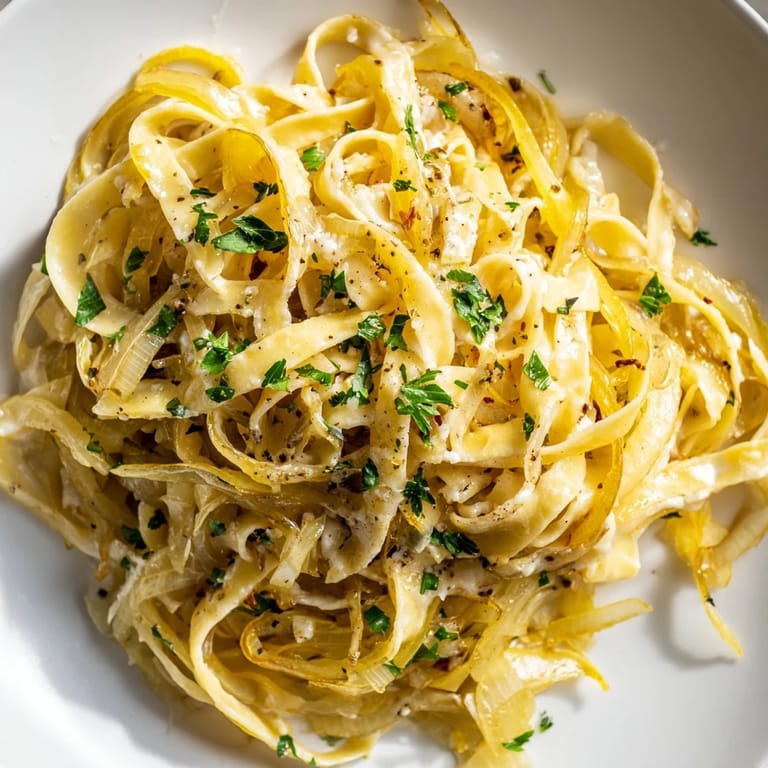
Once you master the base, you can bend this recipe in directions that feel natural rather than forced. Some nights I stir in sautéed mushrooms for earthy depth, other times I use beef broth and finish with an extra handful of Gruyère for something decadently rich. You can add a splash of cream if you're feeling indulgent, or a tiny bit of balsamic to echo those caramelized notes even further.
- Swap Gruyère for Swiss cheese if that's what's in your fridge, and it'll still taste like the comfort you're after.
- For a vegetarian version, use vegetable broth and make sure your cheese is rennet-free if that matters to you.
- Crusty bread on the side isn't just for soaking up sauce—it's the missing piece that makes this a complete, satisfying meal.
 Save It
 This dish reminds me that sometimes the best food comes from working with what you have and being willing to try something unconventional. Make it once and it becomes the recipe you reach for again and again.
Common Questions About Recipes
- → How do I caramelize onions perfectly?
Cook sliced onions slowly over medium heat with butter and a pinch of sugar, stirring occasionally until they turn deep golden brown and sweet, about 20-25 minutes.
- → Can I use a different type of pasta?
Yes, fettuccine or linguine are recommended, but you can substitute with similar long pasta shapes ensuring proper cooking time.
- → What broth works best for this dish?
Vegetable or beef broth both enhance flavor; vegetable broth keeps it vegetarian, while beef adds richer depth.
- → How do I avoid overcooking the pasta?
Simmer uncovered and stir frequently, cooking just until pasta is al dente and most liquid is absorbed, usually 10-12 minutes.
- → Can I add other ingredients for extra flavor?
Sautéed mushrooms or a crisp white wine like Sauvignon Blanc pair well and add layers of taste to the dish.