 Save It
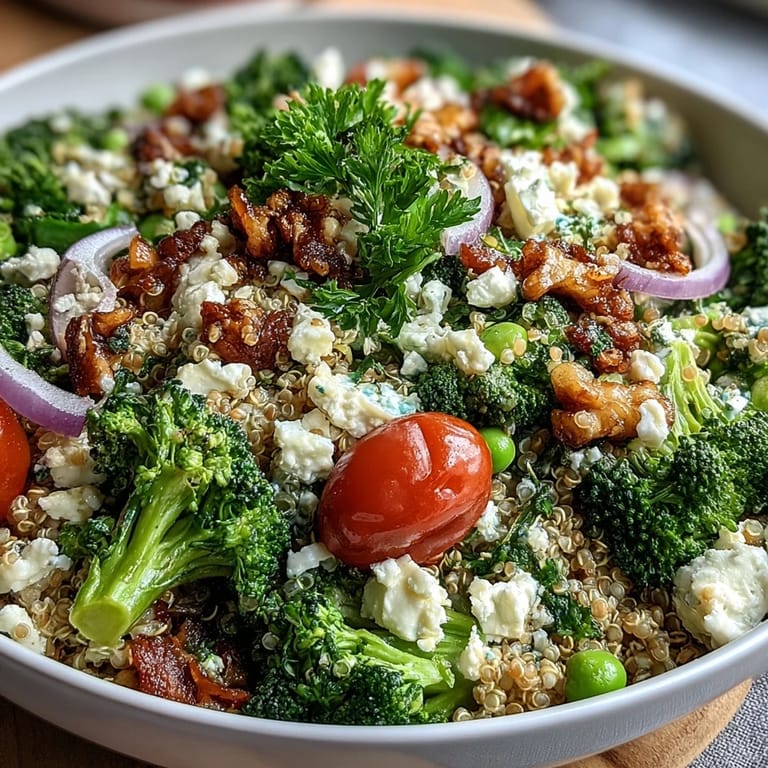
 I stumbled onto this bowl on a Tuesday afternoon when my fridge had that familiar half-empty look and I needed something that felt both satisfying and light. The quinoa was already in the pantry, leftover broccoli was quietly wilting in the crisper drawer, and somehow a handful of frozen peas became the unexpected star. What surprised me most was how the tangy feta tied everything together—turning what could have been a sad desk lunch into something I actually looked forward to eating.
I made this for a friend who was transitioning to a vegetarian diet and wasn't sure what to cook for herself anymore. Watching her face light up when she tasted how filling and flavorful it was felt like a small victory in the kitchen—proof that plant-forward eating doesn't mean sacrifice, just different choices.
Ingredients
- Quinoa (1 cup, rinsed): This ancient grain cooks fluffy in 15 minutes and brings a subtle nuttiness that holds up beautifully when dressed, unlike rice which can get mushy.
- Broccoli florets (2 cups): The key here is not overcooking—aim for that moment when they're tender but still have a slight snap, which takes about 3 to 4 minutes of steaming.
- Green peas (1 cup, frozen or fresh): Frozen peas are honestly just as good as fresh and sometimes sweeter; a quick plunge in hot water is all they need to come alive.
- Cherry tomatoes, halved (1 cup): These add brightness and a touch of juiciness without needing any cooking, so save them for assembly.
- Red onion, finely sliced (1 small): The sharpness mellows slightly as the bowl sits, and their crisp texture contrasts beautifully against everything soft.
- Feta cheese, crumbled (3 oz): Don't skip the quality here—good feta makes the entire bowl taste intentional and worth remembering.
- Fresh parsley, chopped (2 tbsp): This is your green punctuation mark, adding freshness and a hint of earthiness at the very end.
- Extra-virgin olive oil (3 tbsp): This becomes the foundation of your dressing, so use something you actually enjoy tasting on its own.
- Lemon juice (1 tbsp): The acid cuts through the richness of the cheese and makes the whole bowl feel brighter and more alive.
- Dijon mustard (1 tsp): This small amount emulsifies the dressing and adds a subtle sophistication that keeps everything balanced.
- Garlic clove, minced (1 small): Raw garlic brings a gentle bite that gets softer as the bowl marinates, evolving as it sits.
- Salt and black pepper, to taste: Season gradually—you can always add more, but taking it away is impossible.
Tired of Takeout? 🥡
Get 10 meals you can make faster than delivery arrives. Seriously.
One email. No spam. Unsubscribe anytime.
Instructions
- Cook the quinoa:
- Combine your rinsed quinoa and water in a medium saucepan, bring it to a boil—you'll hear the water sizzle and see steam rise—then lower the heat to a gentle simmer, cover it, and let it cook undisturbed for 15 minutes. When the time's up, peek under the lid and fluff it gently with a fork; the grains should look separate and light, with a little spiral tail visible on each one.
- Steam the broccoli until just tender:
- Place your florets in a steamer basket over simmering water for 3 to 4 minutes—you want them to still have a slight resistance when you bite down, not soft all the way through. As soon as they're done, run them under cold water or plunge them in an ice bath to stop them from cooking any further and lock in their bright green color.
- Prepare the peas:
- If frozen, place them in a bowl and cover with boiling water for exactly 2 minutes, then drain through a fine sieve. If using fresh peas, blanch them for just 1 minute in boiling salted water and drain immediately.
- Make the dressing:
- In a small bowl, whisk together the olive oil, lemon juice, Dijon mustard, and minced garlic until it looks slightly emulsified and feels cohesive. Season it with salt and pepper, then taste a small spoon of it—this is your chance to adjust before it touches the warm quinoa.
- Combine everything in the bowl:
- Pour your cooled quinoa into a large mixing bowl, add the steamed broccoli, drained peas, halved tomatoes, and thinly sliced red onion. Drizzle the dressing over top and use two utensils to toss everything together gently, making sure the dressing coats each grain and vegetable piece.
- Plate and garnish:
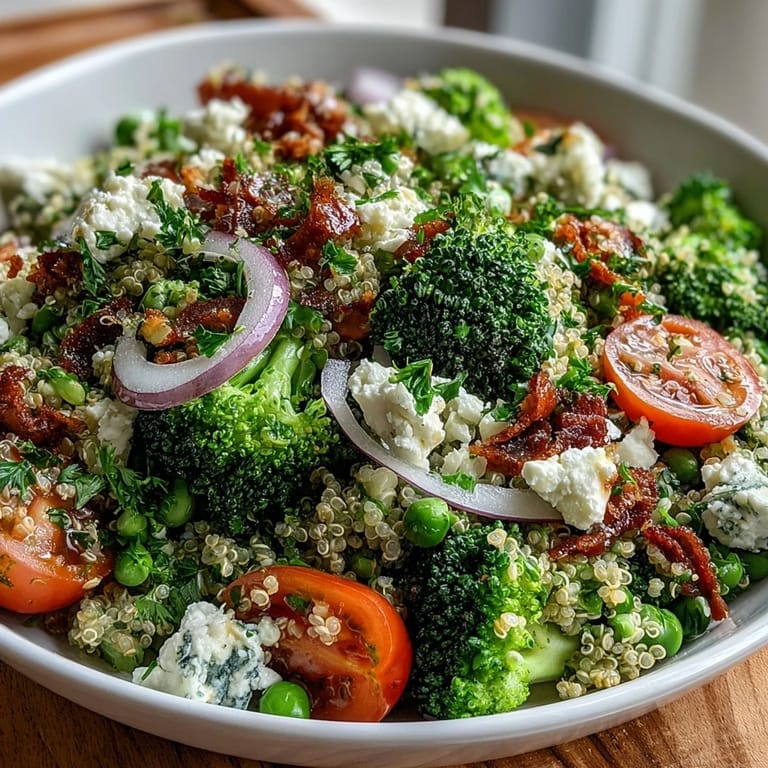
- Divide the mixture among four serving bowls, then scatter the crumbled feta and fresh parsley over each one—these final touches matter because they're what people taste first and remember longest. Serve immediately while everything has different temperatures and textures, or cover and refrigerate if you prefer it chilled.
 Save It
 There's a quiet moment when you taste this bowl for the first time and realize that simple ingredients treated with respect become something memorable. It's the kind of meal that makes you feel good while eating it and even better an hour after.
Why This Bowl Stays Fresh
The beauty of this grain bowl is that it actually tastes better the next day when the flavors have had time to mingle and settle into the quinoa. The feta doesn't crumble into sad, tiny pieces, and the dressing soaks deeper into the grains rather than sitting on top. I've eaten this straight from the fridge on Wednesday mornings after assembling it on Monday night, and honestly, I prefer it that way—it's like the bowl has been thinking about itself overnight.
Variations That Work
This recipe is genuinely flexible without becoming unrecognizable. I've swapped the quinoa for farro when I wanted something earthier, used roasted Brussels sprouts instead of broccoli when I was feeling fancy, and even added crispy chickpeas for extra protein and crunch. The feta can become goat cheese for a creamier bite, or you can omit it entirely if you're avoiding dairy—the lemon dressing is still sufficient to tie everything together.
Small Touches That Matter
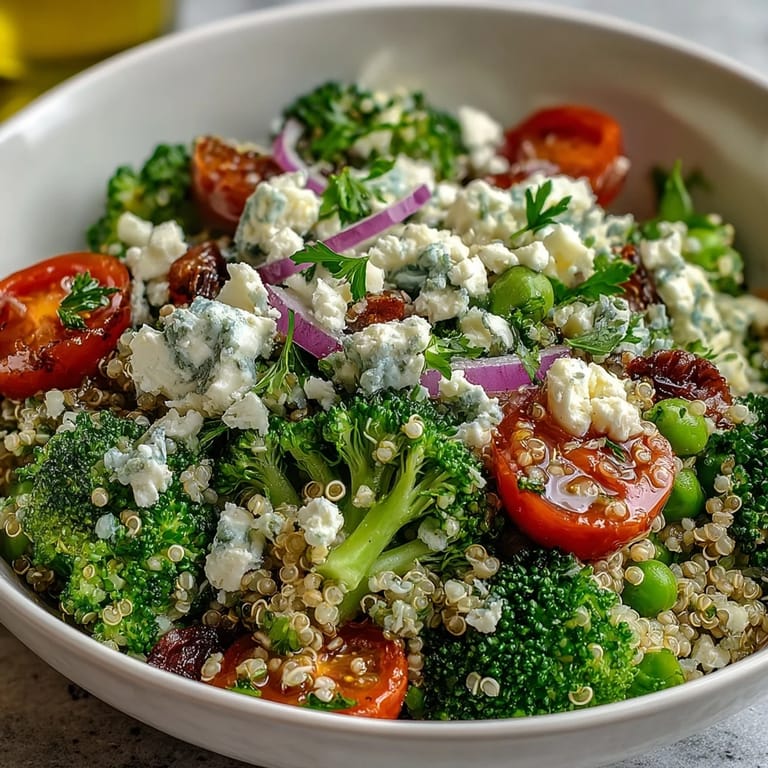
The difference between a forgettable grain bowl and one you'll actually crave comes down to attention at the edges. Toasting some pumpkin seeds or walnuts in a dry pan for 2 minutes before sprinkling them over the top adds a subtle richness that makes the whole thing feel more intentional. A squeeze of fresh lemon juice right before eating brightens everything again, and if you have any soft herbs like mint or dill in the kitchen, they become unexpected allies. Don't be shy with the feta either—this isn't the time for restraint.
- Toast your nuts and seeds separately to control their texture and prevent them from steaming into mushiness.
- Keep a lemon wedge on the side for people who like extra brightness and want to adjust it to their taste.
- Make the dressing in a jar so you can shake it before pouring if it separates while sitting.
 Save It
 This bowl has become my answer to the question of what to eat when I want something that feels nourishing without feeling heavy. It's proof that eating well doesn't require complexity, just presence and respect for what you're putting together.
Common Questions About Recipes
- → Can I use vegetable broth instead of water for cooking quinoa?
Yes, using vegetable broth adds extra flavor without altering the dish’s balance and keeps it vegetarian-friendly.
- → How do I keep the broccoli crisp-tender?
Steam or blanch the broccoli for 3–4 minutes, then rinse with cold water to stop cooking and preserve its texture.
- → Is it okay to use fresh or frozen peas?
Both work well; blanch fresh peas for 1 minute or soak frozen peas in boiling water for 2 minutes, then drain.
- → Can I substitute feta cheese with a dairy-free option?
Yes, goat cheese or plant-based cheese alternatives can be used for a similar tangy flavor or to accommodate allergies.
- → What dressing ingredients provide the tangy flavor?
Lemon juice combined with Dijon mustard and minced garlic creates a bright, zesty dressing that complements the ingredients.
- → How long can this bowl be stored after preparation?
Store in the refrigerator for up to 2 days. Adding feta just before serving helps maintain freshness.