 Save It
 There's something about the smell of bacon hitting a cold kitchen that makes everything feel intentional. Years ago, I was standing in my apartment on a gray November afternoon, bacon sizzling away, and my neighbor poked her head in asking what I was making. When I told her it was soup, she looked skeptical until she tasted it—that moment when someone's face softens because they weren't expecting something so silky and warm changed how I thought about this recipe. It's become the soup I make when I want to feel like I'm taking care of someone, including myself.
I made this for my sister during one of those visits where we needed to talk but didn't know how, and somehow ladling soup into bowls gave us a rhythm. She went back for seconds without asking, which told me everything I needed to know. That's when I realized this soup does something beyond nourishing—it creates space for people to be around each other without pressure.
Ingredients
- Thick-cut bacon (150 g / 5 oz): Don't skip the quality here—you're rendering it for fat and flavor, not just texture, so thicker pieces give you better results and won't disappear into nothing.
- Yellow onion, carrots, and celery (1 medium onion, 2 carrots, 2 stalks): This is your aromatic foundation, and finely chopping everything means it breaks down silkily into the final texture.
- Garlic cloves (3, minced): Fresh garlic adds a gentle punch without overpowering—dried garlic makes this taste dusty and flat.
- Cannellini or navy beans (2 cans, drained and rinsed): Rinsing removes the starchy liquid that clouds the soup and leaves you with clean bean flavor.
- Chicken or vegetable broth (1 liter / 4 cups): Low-sodium lets you control the salt and prevents the soup from tasting aggressively seasoned by the end.
- Heavy cream (120 ml / ½ cup): This transforms the texture from good to velvet—it needs to be real cream, not a substitute, or the soup breaks and separates.
- Fresh rosemary and bay leaf: These cook into the broth and then come out—it's intentional flavor that doesn't stick around as texture.
- Black pepper and salt: Taste as you go, especially after blending, because the flavor concentrates and becomes more pronounced.
Tired of Takeout? 🥡
Get 10 meals you can make faster than delivery arrives. Seriously.
One email. No spam. Unsubscribe anytime.
Instructions
- Render the bacon until it sings:
- Cut your bacon into small pieces and let them hit medium heat in your pot. You'll know it's ready when the edges are dark and the kitchen smells like breakfast and intention—around 5 to 7 minutes. Leave about a tablespoon of fat behind because that's your flavor foundation.
- Build your base with the softer vegetables:
- Onion, carrots, and celery go into that bacon fat and need 6 to 8 minutes of gentle stirring until they start turning golden and soft. You're not rushing this—you're coaxing out their sweetness.
- Add garlic and let it bloom:
- One minute is all fresh garlic needs—any longer and it tastes burnt and bitter. You'll smell when it's right.
- Bring everything together with broth and beans:
- Pour in your rinsed beans, broth, rosemary sprigs, bay leaf, pepper, and a small pinch of salt. Let it come to a boil, then drop the heat down and let it simmer uncovered for 20 minutes so the flavors actually know each other.
- Fish out the herbs and blend until smooth:
- Remove those rosemary sprigs and the bay leaf—they've done their job. Use an immersion blender and work it until the soup is creamy and there are no bean chunks left, or carefully transfer in batches to a regular blender. This is where the magic happens because the beans break down and thicken the whole thing naturally.
- Finish with cream and bacon:
- Stir in your heavy cream and most of the bacon you set aside (save some for the top). Let it simmer for 5 more minutes and taste it—this is when you adjust salt and pepper because now you can actually taste the final version.
- Serve with intention:
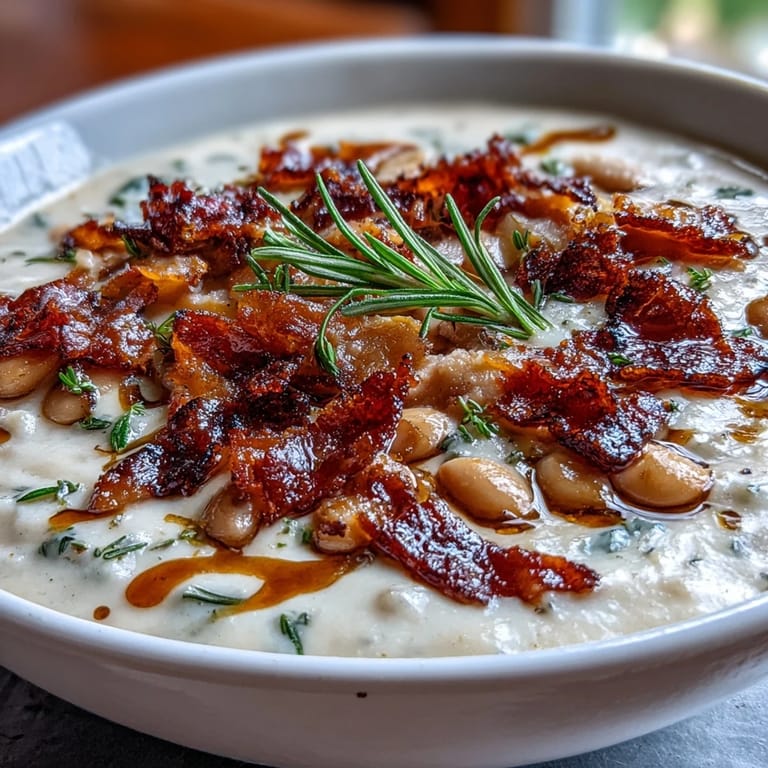
- Ladle into bowls, sprinkle reserved bacon on top, drizzle with good olive oil, and add fresh parsley if you have it. This is soup that wants to be eaten slowly.
 Save It
 There's a moment when you add the cream and the whole pot turns pale and gorgeous, and you know you've done something right. That visual moment—watching it transform from rustic to refined—reminds me why simple cooking matters.
Why This Soup Works in Winter
There's something about beans and broth that feels like they were designed for cold months. The bacon adds enough richness that you don't feel like you're eating something ascetic, and the rosemary keeps it from tasting bland or boring. When the weather gets dark early and everyone moves slower, this soup becomes the kind of meal that feels like a real accomplishment without actually being complicated.
Stretching It or Making It Your Own
I've added spinach, swapped in different beans, topped it with crispy sage instead of bacon, and every version has worked. The bones of the recipe—the vegetables, the broth, the blending—those stay the same because they're what make it work. Think of this as your starting point, not your final answer.
Serving and Storage Wisdom
This soup gets better after a day in the fridge because all the flavors deepen and actually talk to each other. It reheats beautifully on the stove—just add a splash of broth if it thickens too much. I've even frozen it successfully, though I usually add the cream fresh when reheating because cream can do strange things in the freezer.
- Crusty bread is non-negotiable—it gives you something to do with your hands and absorbs the soup in the best way.
- Make this vegetarian by skipping the bacon and using vegetable broth with a pinch of smoked paprika for depth and smoke.
- Save leftover bacon fat in a jar in your fridge because you'll want it for other things, and it's basically liquid gold for cooking.
 Save It
 This is the kind of soup that makes you feel like a capable person in the kitchen, and somehow that feeling extends into the rest of your day. Make it when you need comfort, when you want to feed someone well, or when the season shifts and you need warmth.
Common Questions About Recipes
- → Can I make this soup vegetarian?
Yes, omit the bacon and use vegetable broth instead. Adding smoked paprika can enhance the flavor for a smoky touch.
- → What beans work best in this soup?
Cannellini or navy beans are ideal due to their creamy texture, but great northern beans are a good alternative.
- → How should I store leftovers?
Store the soup in an airtight container in the refrigerator for up to 3 days. Reheat gently over low heat before serving.
- → Can I prepare this soup in advance?
Absolutely, this soup develops more flavor when stored overnight. Reheat slowly and stir in cream and bacon before serving.
- → What can I serve alongside this soup?
It pairs wonderfully with crusty bread or a fresh green salad to complement the creamy texture.