 Save It
 There's something about late July when the garden finally explodes that makes you want to cook without planning. My neighbor knocked on the fence one afternoon with an armful of zucchini and tomatoes, the kind of impromptu abundance that forces you to think fast in the kitchen. I grabbed what was ripe, threw it in a pan with garlic and basil, and discovered that sometimes the best meals come from saying yes to what's growing right in front of you.
I made this for a friend who'd just moved in down the street, and she stood in my kitchen saying she'd never realized you could make something taste this bright without cream or complicated sauces. We ate it right there at the counter, still warm, and she asked for the recipe before she'd finished her bowl. That's the kind of dish that makes people remember you.
Ingredients
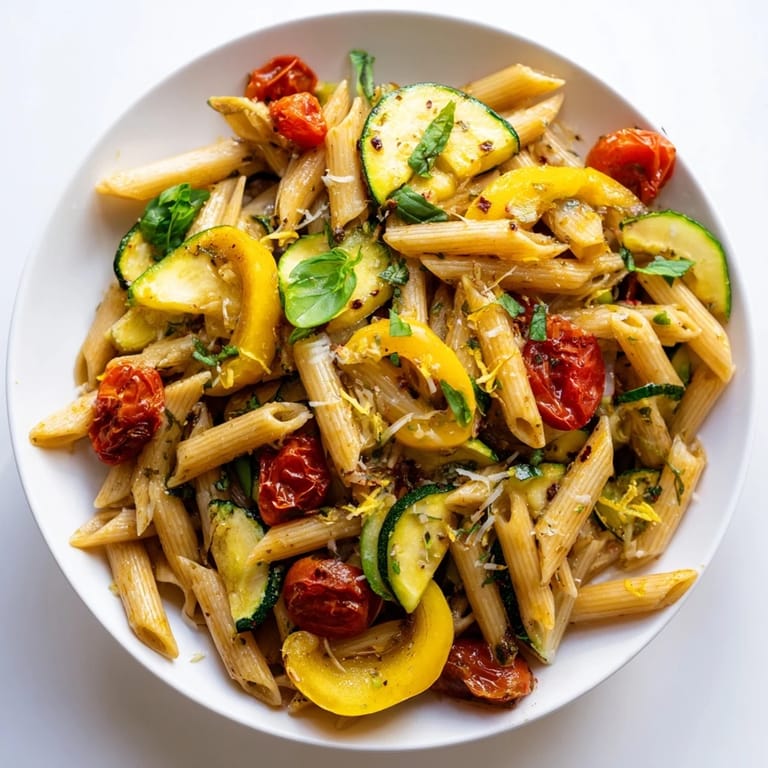
- Penne or fusilli pasta: The shapes catch the sauce and vegetables perfectly, though any short pasta will do the job.
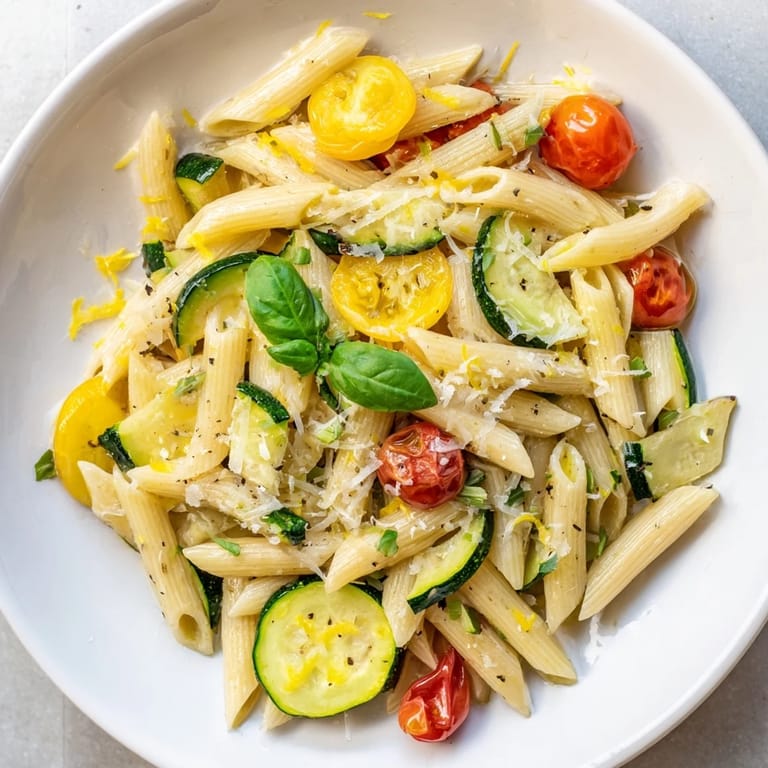
- Medium zucchini: Slice these into half-moons so they cook quickly and tender without turning to mush.
- Medium yellow squash: It's milder than zucchini and adds a gentle sweetness that balances the acidity of the tomatoes.
- Cherry or grape tomatoes: Halved and cooked until they burst, these give you a sauce without any tomato paste or extra steps.
- Extra virgin olive oil: This is where the flavor lives, so use one you actually enjoy tasting on its own.
- Fresh garlic: Minced and sautéed just until fragrant keeps it from turning bitter and losing its brightness.
- Kosher salt and black pepper: Simple seasoning that lets the vegetables be themselves.
- Fresh basil: Added at the end so it stays green and alive instead of turning dark and muted by heat.
- Red pepper flakes: Optional, but a whisper of heat rounds out the flavors beautifully.
- Parmesan cheese: A light dusting brings everything into focus, though this dish stands on its own without it.
- Lemon zest: A final garnish that lifts everything and reminds you of sunshine.
Tired of Takeout? 🥡
Get 10 meals you can make faster than delivery arrives. Seriously.
One email. No spam. Unsubscribe anytime.
Instructions
- Get the pasta started:
- Bring a large pot of salted water to a rolling boil and cook your pasta according to the package directions until it's al dente, with just a tiny bit of resistance when you bite it. Before you drain it, scoop out about half a cup of that starchy pasta water and set it aside, then drain the rest.
- Wake up the garlic:
- While the pasta cooks, heat your olive oil in a large skillet over medium heat until it's shimmering, then add the minced garlic and let it sizzle for about a minute until your kitchen smells amazing. Watch it carefully so it turns fragrant instead of brown.
- Soften the squash:
- Add your zucchini and yellow squash to the pan and stir them around every minute or so for about 4 to 5 minutes until they've started to soften but still have some shape. You want them tender, not collapsed.
- Let the tomatoes give up their juice:
- Add your halved tomatoes along with the salt, pepper, and red pepper flakes if you're using them, then cook for another 3 to 4 minutes until the tomatoes start to burst and release their liquid into the bottom of the pan. This becomes your sauce.
- Bring it all together:
- Lower the heat to low, add your drained pasta to the skillet with the vegetables, and toss everything together gently, adding a splash of that reserved pasta water as you go to create a silky, light sauce that coats each piece. Don't overwork it, just let everything know each other.
- Finish with fresh basil:
- Turn off the heat, stir in your sliced basil and Parmesan cheese if you're using it, then taste and add more salt or pepper if it needs it. This is your moment to make it exactly right.
- Serve while it's still warm:
- Divide into bowls and scatter more basil on top, along with a little lemon zest if you have it. Eat it soon.
 Save It
 My daughter once declared that this was her favorite thing I made, and she was seven years old and usually suspicious of vegetables. Watching her eat something with zucchini in it without complaint felt like I'd unlocked a secret, and now whenever she asks for 'the garden pasta,' I know something has clicked between her and real food.
When to Make This
This dish is a summer answer to the question of what to cook when you have vegetables and fifteen minutes. It's equally happy at a casual weeknight dinner or a gathering where people linger at the table longer than they planned. In colder months, you can still make it with whatever vegetables are seasonal, or keep a jar of good tomatoes in your pantry and cook it whenever the mood strikes.
Variations That Work
Once you understand how this dish works, you can move things around based on what's available or what you're craving. Bell peppers add sweetness and crunch if you like more texture, or a handful of spinach stirred in at the end brings an earthy note that some people find irresistible. Some cooks I know add a splash of white wine while the vegetables cook, and others finish with a drizzle of aged balsamic vinegar for deeper flavor.
Making It Your Own
The beauty of this recipe is that it's more of a roadmap than a rigid formula, and the more you make it, the more confident you become about adjusting it. I've learned to taste as I go instead of following the seasoning amounts exactly, and I've learned which vegetables in my kitchen need more or less cooking time. You'll develop those instincts too, and when you do, you'll know you've made this dish yours.
- If your tomatoes are very acidic, a tiny pinch of sugar balances them without making the dish taste sweet.
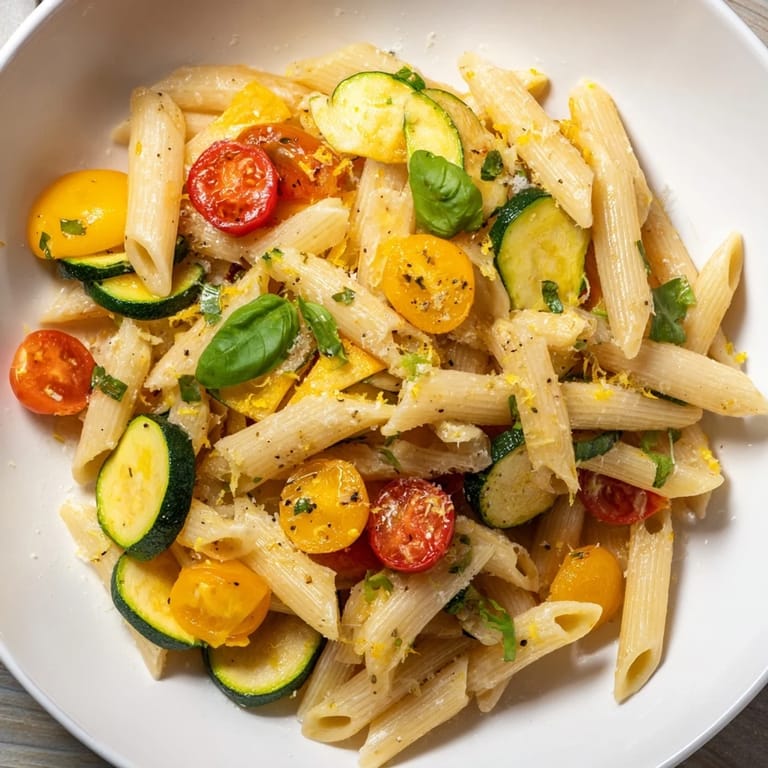
- Using a mix of different colored summer squashes makes the dish more visually interesting and gives you slightly different flavors in each bite.
- Finishing with a good squeeze of fresh lemon juice instead of just zest can brighten everything if it feels like it needs a lift.
 Save It
 This recipe taught me that you don't need a long ingredient list or complicated techniques to cook something that makes people happy. Sometimes the simplest meals, cooked with attention and made with good ingredients, are the ones that linger in memory.
Common Questions About Recipes
- → Can I use gluten-free pasta for this dish?
Yes, substituting with certified gluten-free pasta works well without altering the flavor.
- → What can I substitute for Parmesan cheese?
For a vegan or dairy-free option, omit the cheese or use a plant-based Parmesan alternative.
- → How can I enhance the vegetable flavor?
Sautéing garlic with the veggies and adding fresh basil brightens the natural flavors while olive oil adds richness.
- → Is it possible to add other vegetables?
Yes, bell peppers, spinach, or other seasonal vegetables can be included for variety and color.
- → What wine pairs best with this pasta?
A crisp Sauvignon Blanc or Pinot Grigio complements the freshness and lightness of the dish.