 Save It
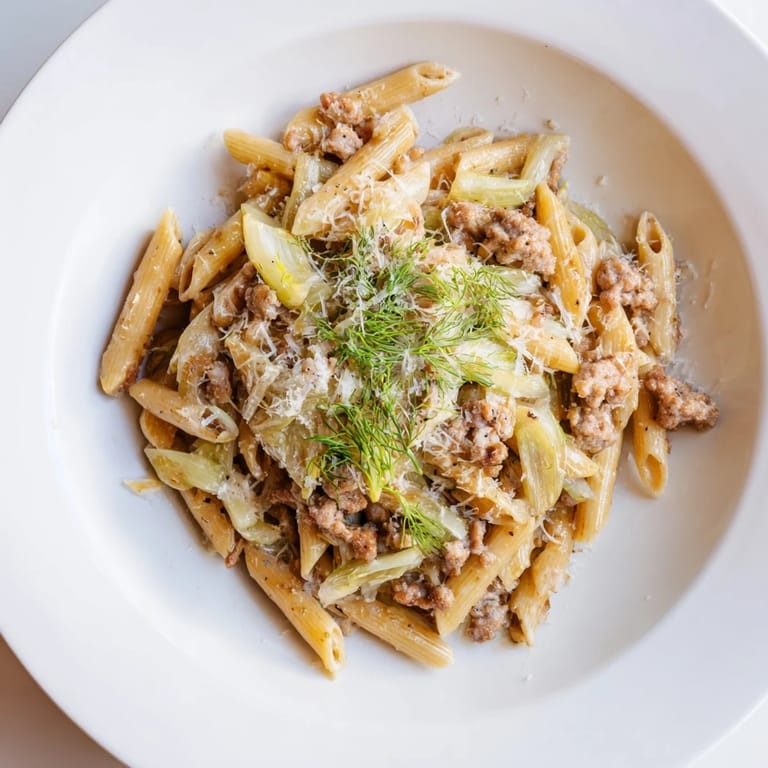
 The kitchen window was fogged over the night I first made this, steam rising from the pot while I nursed a cold and craved something warm without much fuss. I'd grabbed fennel on impulse at the market, drawn to its feathery fronds and licorice scent, and paired it with sausage I had in the freezer. Twenty minutes later, I was twirling pasta in a bowl that tasted like comfort and smelled like an Italian grandmother's kitchen. It's been my go-to ever since when the weather turns and I need dinner fast.
I made this for a friend who swore she hated fennel, convinced it tasted like black licorice candy. She took one cautious bite, then another, and by the end of the bowl she was using bread to chase every last bit of sauce. The fennel had caramelized just enough to lose its sharpness, melting into the background with the sausage and garlic. She asked for the recipe before she even put her fork down.
Ingredients
- Short pasta (350 g): Penne, rigatoni, or fusilli all work beautifully here because their ridges and hollows catch the sauce, and they hold up to hearty mix-ins like sausage and fennel.
- Italian sausage (250 g): Sweet or spicy, your call, but remove the casings so it crumbles into flavorful bits; plant-based sausage works just as well if you want to skip the meat.
- Fennel bulb (1 large): Trim off the tough base and slice it thin so it softens quickly; save the fronds for garnish because they add a fresh, herbal finish.
- Onion (1 small): Thinly sliced onion adds sweetness and body to the sauce, melting into the fennel as they cook together.
- Garlic (2 cloves): Minced fine and added near the end so it blooms in the oil without burning and turning bitter.
- Olive oil (2 tbsp): Use a decent one; it's the base of your sauce and carries all the flavors together.
- Dry white wine (60 ml, optional): Deglazes the pan and adds brightness, but you can skip it or use a splash of pasta water instead.
- Crushed red pepper flakes (1/2 tsp, optional): A little heat wakes up the sweetness of the fennel and sausage, but leave it out if you prefer things mild.
- Parmesan cheese (30 g): Grated fresh melts into the pasta and thickens the sauce just enough; use a vegetarian or vegan version if needed.
- Salt and black pepper: Season as you go, tasting the fennel and sausage before you add the pasta so nothing ends up bland.
- Fennel fronds or parsley: Chopped and scattered on top, they add color and a fresh note that cuts through the richness.
Tired of Takeout? 🥡
Get 10 meals you can make faster than delivery arrives. Seriously.
One email. No spam. Unsubscribe anytime.
Instructions
- Boil the pasta:
- Bring a large pot of salted water to a rolling boil and cook the pasta until al dente, following the package timing. Before you drain it, scoop out half a cup of the starchy cooking water and set it aside.
- Brown the sausage:
- Heat a tablespoon of olive oil in a large skillet over medium heat, then add the sausage and break it up with a wooden spoon, cooking until browned and crumbly. Transfer it to a plate and leave the flavorful bits in the pan.
- Cook the fennel and onion:
- Add the remaining olive oil to the same skillet and toss in the sliced fennel and onion with a pinch of salt, stirring occasionally until they soften and turn golden at the edges. Stir in the garlic and let it cook for about a minute until fragrant.
- Deglaze with wine:
- If you're using wine, pour it into the skillet and scrape up any browned bits stuck to the bottom, letting it bubble and reduce for a minute or two. The alcohol will cook off, leaving behind a bright, savory base.
- Combine everything:
- Return the sausage to the pan along with the red pepper flakes if you're using them, then add the drained pasta and reserved pasta water, tossing everything together. Stir in the grated Parmesan and season with salt and pepper, tasting as you go.
- Serve:
- Divide the pasta into bowls and top each with chopped fennel fronds or parsley and extra Parmesan. Serve it hot, while the cheese is still melting and the sauce clings to every piece.
 Save It
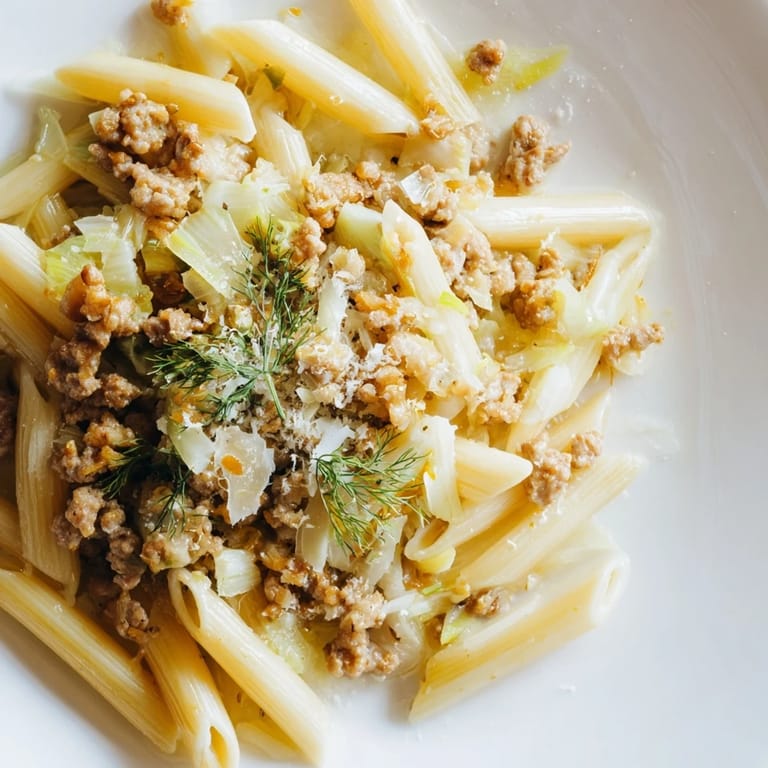
 This pasta became our Sunday night ritual after long winter hikes, something we could throw together without thinking while still feeling like a real meal. My partner would set the table and open a bottle of wine while I stirred the skillet, and we'd eat in our socks by the radiator, talking about nothing in particular. It's the kind of dish that doesn't need an occasion, just a little hunger and the desire to feel warm from the inside out.
How to Choose Your Fennel
Look for fennel bulbs that are firm and white with no browning or soft spots, and make sure the fronds are still bright green and feathery. The smaller bulbs tend to be more tender and less fibrous, which matters when you're slicing them thin for a quick saute. If the stalks are still attached, snap one; it should break cleanly and smell faintly sweet, like anise. I used to avoid fennel because I thought it would be overpowering, but once I learned to cook it low and slow enough to coax out its sweetness, it became one of my favorite vegetables to keep on hand.
Swapping the Sausage
If you want to skip the sausage entirely, this dish works beautifully with chickpeas, white beans, or even crumbled tofu seasoned with fennel seed and garlic. Plant-based sausage is the easiest swap, browning just like the real thing and adding the same savory, spiced flavor without any texture loss. I've also made this with leftover cooked chicken or shrimp stirred in at the end, which turns it into something closer to a seafood pasta. Whatever you choose, just make sure it has enough flavor to stand up to the sweetness of the fennel and the sharpness of the Parmesan.
Make It Your Own
Once you've made this a few times, it's easy to riff on the basics and turn it into something new depending on what's in your fridge. I've stirred in sun-dried tomatoes for a bit of tang, added a handful of spinach or kale at the end for color, and even tossed in toasted pine nuts for crunch. If you like it saucier, add more pasta water or a splash of cream; if you want it brighter, finish it with lemon zest and a squeeze of juice.
- Toss in a handful of baby arugula right before serving for a peppery bite.
- Top with toasted breadcrumbs instead of extra Parmesan for a crunchy contrast.
- Stir in a spoonful of ricotta or mascarpone if you want it richer and creamier.
 Save It
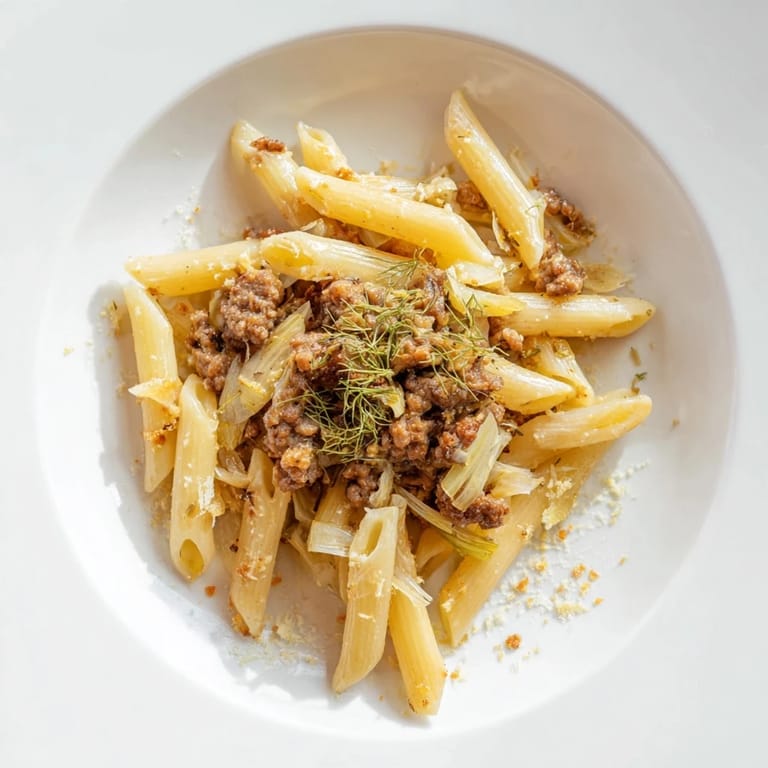
 This is the kind of recipe that gets better the more you make it, not because the dish changes, but because you learn its rhythm and stop measuring so carefully. You'll know when the fennel is sweet enough, when the sauce needs another splash of pasta water, and exactly how much Parmesan makes you happiest.
Common Questions About Recipes
- → Can I make this dish without sausage?
Yes, this pasta is naturally vegetarian-friendly. Simply omit the sausage or substitute it with a plant-based sausage alternative. The fennel and aromatics provide plenty of flavor on their own, and you can enhance the dish with additional vegetables like spinach or mushrooms.
- → What type of pasta works best?
Short pasta shapes like penne, rigatoni, or fusilli work beautifully here. Their ridged surfaces and hollow centers trap the light aromatic sauce perfectly. Avoid long pasta varieties as they don't hold the sauce as effectively.
- → Can I skip the white wine?
Absolutely. The white wine adds depth and helps deglaze the pan, but it's optional. If omitted, simply add a splash of vegetable or chicken broth instead, or proceed without liquid—the pasta water will provide sufficient moisture.
- → How do I store leftovers?
Keep leftovers in an airtight container in the refrigerator for up to 3 days. Reheat gently on the stovetop over medium heat with a splash of water or broth to restore moisture. This pasta reheats beautifully without becoming dry.
- → What wine pairs well with this dish?
A crisp Italian white wine like Pinot Grigio complements the fennel's subtle anise notes and the sausage's richness. The wine's acidity balances the dish's savory elements and enhances the overall dining experience.
- → Can I use a different cheese instead of Parmesan?
Yes, you can substitute with Pecorino Romano for a sharper flavor, or Grana Padano for a milder taste. For vegan diets, use nutritional yeast or plant-based Parmesan alternatives that melt smoothly when tossed with hot pasta.