 Save It
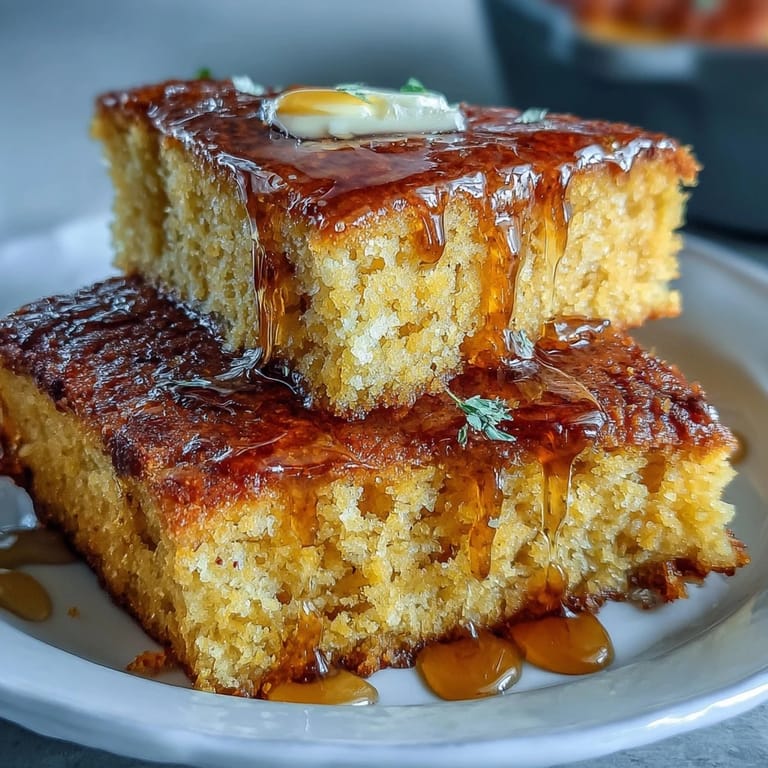
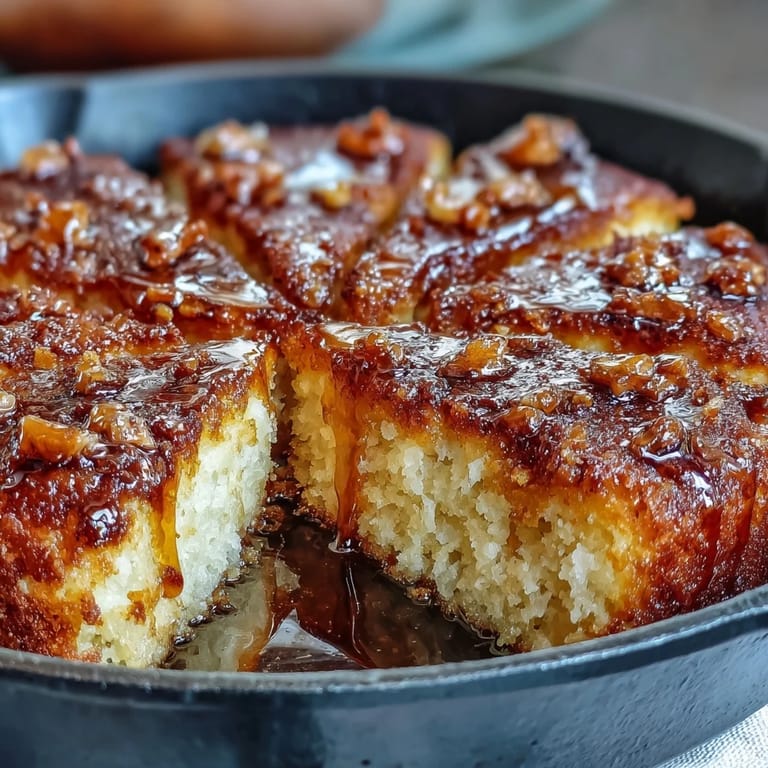
 My grandmother's cast-iron skillet has been seasoning for forty years, and it wasn't until I stood in her kitchen watching cornbread rise that I understood why she guarded it so carefully. The way she pulled that golden-brown square from the oven, steam curling off the top, felt less like cooking and more like witnessing something sacred. She'd slide a pat of honey butter across the still-warm surface and hand me the first slice without a word, and somehow that said everything. Now when I bake this cornbread in my own skillet, I'm not just making breakfast or a side dish, I'm carrying forward something deeper than a recipe.
I made this for a neighborhood potluck on an April evening when everyone brought something safe and forgettable, and I watched this cornbread disappear before the main course was even served. An older gentleman asked if it was from scratch, and when I nodded, he got quiet for a moment, then said it tasted like home. That's when I realized cornbread isn't just a side dish, it's permission to remember where you come from.
Ingredients
- Yellow cornmeal: The soul of this bread, giving it that distinctive texture and subtle sweetness that sets Southern cornbread apart from the cake-like versions up North.
- All-purpose flour: Provides structure without overwhelming the corn flavor, keeping the crumb tender rather than dense.
- Granulated sugar: A modest amount, just enough to balance the cornmeal's earthiness without making this taste like dessert.
- Baking powder and baking soda: Work together to create rise and lift, essential for that fluffy interior contrasting the crispy edges.
- Fine salt: Don't skip it, the salt makes every other flavor sing.
- Whole milk or buttermilk: Buttermilk adds tang and creates a more tender crumb, but whole milk works beautifully too.
- Eggs: Bind everything together and help create that golden exterior.
- Melted butter and vegetable oil: The combination creates moisture and richness while the oil keeps things tender even after cooling.
- Honey butter: Softened butter beaten with honey becomes a luxurious finish, melting into every crevice of warm cornbread.
Tired of Takeout? 🥡
Get 10 meals you can make faster than delivery arrives. Seriously.
One email. No spam. Unsubscribe anytime.
Instructions
- Heat your skillet first:
- Set that cast-iron in a 425°F oven while you mix, so it's screaming hot and ready to give your batter that crispy, golden crust. This step makes all the difference between good cornbread and the kind people remember.
- Whisk the dry ingredients:
- Combine cornmeal, flour, sugar, baking powder, baking soda, and salt in a large bowl, making sure the leavening agents are evenly distributed so you don't end up with dense pockets.
- Mix the wet ingredients separately:
- In another bowl, whisk together milk, eggs, melted butter, and oil until smooth and homogeneous. This matters because it ensures even distribution of fat throughout the batter.
- Bring them together gently:
- Pour the wet mixture into the dry ingredients and stir just until combined, leaving small lumps intact. Overmixing develops gluten and toughens the bread, turning it dense and disappointing.
- Prepare the hot skillet:
- Carefully pull the skillet from the oven, add the 2 tablespoons of butter, and swirl it around to coat every corner, letting it foam slightly. The butter should sizzle when you pour in the batter.
- Pour and bake:
- Transfer the batter to the hot skillet and smooth the top, then bake for 20 to 25 minutes until the top is golden and a toothpick emerges clean. You'll smell it before it's done, and that warm corn aroma fills the entire house.
- Make the honey butter while it bakes:
- Beat softened butter with honey and a pinch of salt until fluffy and spreadable, creating something that tastes more indulgent than the sum of its parts.
- Cool briefly before serving:
- Let it rest for 5 to 10 minutes so the cornbread sets slightly, making slicing cleaner, then serve warm with that honey butter melting into every piece.
 Save It
 Last winter I made this for a family dinner when my teenage nephew was home from his first semester away, and watching him eat cornbread the way he used to as a kid, smiling without realizing it, reminded me that some foods carry memory the way photographs never can. He asked for the recipe that night, and I felt like I'd handed him something precious.
Cast Iron is Your Secret Weapon
A seasoned cast-iron skillet doesn't just cook cornbread differently, it creates a textural contrast that defines Southern cornbread entirely. The metal conducts heat so evenly and intensely that you get those crispy, caramelized edges while the interior stays moist and tender. If you don't have cast iron, a preheated 10-inch steel cake pan works, but it won't give you that same magic. Once you've made cornbread in proper cast iron, you'll understand why people treat their skillets like heirlooms.
The Honey Butter Moment
There's something almost ceremonial about spreading warm honey butter on fresh cornbread, watching it melt into the cracks and soak in completely. The salt in the butter balances the sweetness of the honey, keeping it from tasting like dessert and instead creating something savory and luxurious. Make the honey butter while the cornbread bakes so it's ready the moment you pull the pan from the oven, that window when cornbread is still radiating heat and ready to receive it.
Variations and Additions
This foundation is flexible enough to welcome additions without losing its identity. Fresh corn kernels stirred into the batter add sweetness and texture, while sharp cheddar melted throughout transforms it into something more savory and substantial. Jalapeños add heat and brightness if you want cornbread with personality, and some people swear by adding a tablespoon of honey directly into the batter for extra moisture and subtle sweetness. The beauty is that you can make it plain and perfect, or dressed up for a specific meal, and it works either way.
- Corn kernels, sharp cheddar, or chopped jalapeños elevate this from simple to show-stopping.
- Buttermilk instead of whole milk creates a tangier, more tender crumb that feels more authentic to traditional Southern versions.
- Serve it with chili, barbecue, fried chicken, or even soup, because cornbread makes everything taste better.
 Save It
 Cornbread is proof that the simplest recipes often carry the most meaning. Serve it warm, watch people's faces light up, and let that golden-brown square become part of your own kitchen story.
Common Questions About Recipes
- → What makes Southern cornbread unique?
Southern cornbread balances cornmeal with flour and uses buttermilk or milk to create a moist, tender crumb with a golden crust.
- → Why bake cornbread in a cast-iron skillet?
The cast-iron skillet retains heat well, producing a crisp crust while keeping the inside soft and evenly cooked.
- → How is honey butter made for this dish?
Softened unsalted butter is whipped with honey and a pinch of salt until smooth and fluffy, creating a sweet, creamy spread.
- → Can I add other ingredients to the batter?
Yes, corn kernels, shredded cheddar, or chopped jalapeños can be mixed in to add texture and flavor variations.
- → What dishes pair well with this cornbread?
It complements barbecue, chili, fried chicken, and other Southern-style comfort foods beautifully.
- → How do I prevent overmixing the batter?
Gently stir wet and dry ingredients until just combined; a few lumps are fine to keep the bread tender.