 Save It
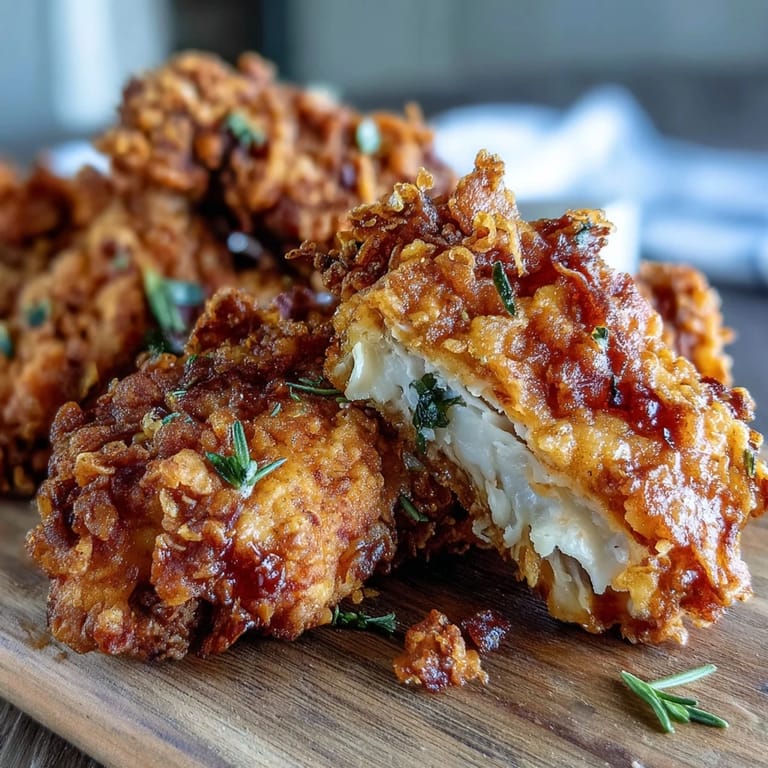
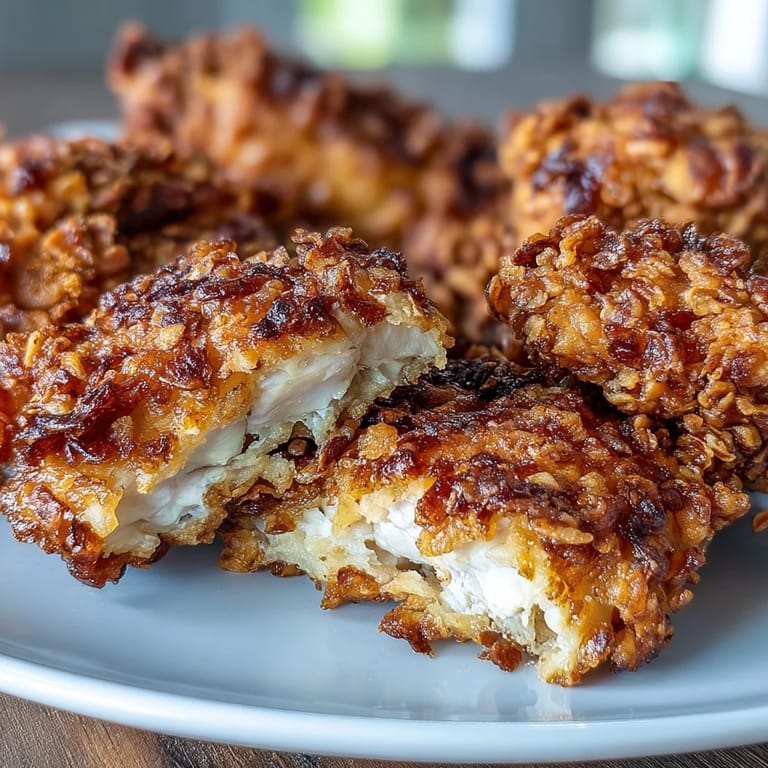
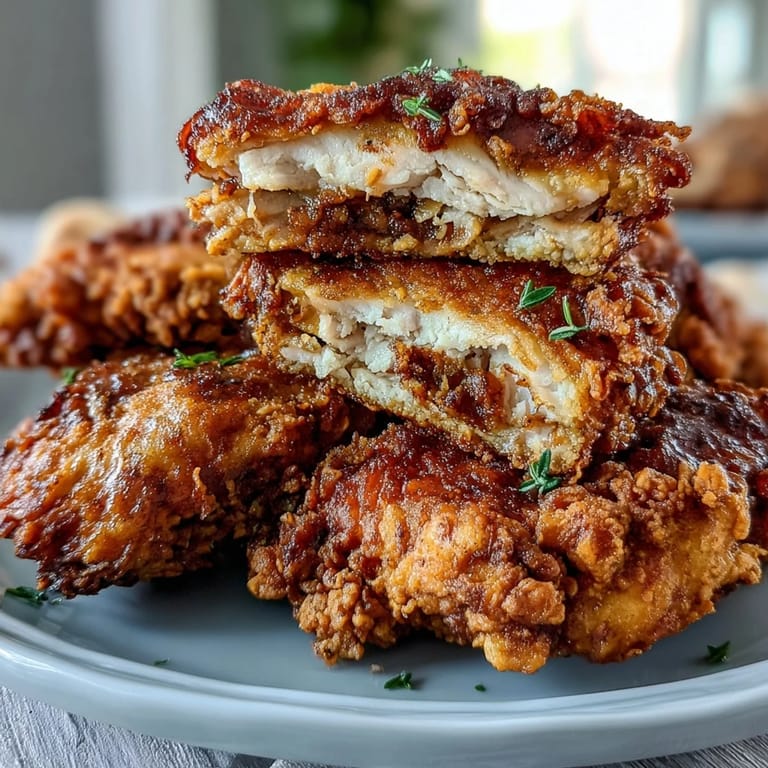
 My grandmother used to fry chicken in a cast iron skillet that had seen decades of Sunday dinners, and the smell alone would bring the whole neighborhood to the kitchen door. There's something about the sound of that first piece hitting hot oil—that sharp sizzle—that makes you feel like you're doing something right. When she'd pull those golden pieces out, the crust would crackle under your teeth, and somehow the meat inside stayed impossibly juicy. Paired with her honey butter biscuits, still warm and practically melting on the plate, it felt less like dinner and more like a love letter written in comfort food. Now I make it the same way, and I swear the kitchen still remembers her presence.
I learned the real magic of this dish during a winter when friends showed up unexpectedly on a Friday night, and I had nothing but chicken pieces and pantry staples. The house filled with that warm, spicy aroma while biscuits rose in the oven, and by the time everything was ready, what started as improvisation became the meal everyone still talks about. There's a particular kind of joy that happens when you pull hot fried chicken from the oil and it's golden without being burnt, when the biscuits emerge puffy and tender—that moment when you know you've nailed it.
Ingredients
- Bone-in, skin-on chicken pieces: Eight pieces give you a mix of dark and white meat, and the bones add flavor that keeps the meat tender and juicy even during the frying process.
- Buttermilk: This acidic marinade does the heavy lifting by breaking down proteins gently, ensuring meat stays tender rather than tough, and the residue on the chicken helps the coating stick beautifully.
- Hot sauce (optional): Even a teaspoon adds depth without overwhelming heat, but skip it entirely if you prefer pure savory notes.
- All-purpose flour and cornstarch blend: The cornstarch is the trick—it adds crispness that regular flour alone can't deliver, creating that restaurant-quality shatter.
- Spice blend (salt, pepper, paprika, garlic powder, onion powder, cayenne): Don't skip any of these because each one builds flavor in a different register, from the heat of cayenne to the sweetness of paprika.
- Vegetable oil: Use a high-heat oil like canola or peanut oil, as the temperature needs to stay steady and the oil shouldn't smoke or impart flavor.
- Cold butter for biscuits: Keep it cold straight from the fridge, and work quickly so the butter stays in small pockets rather than getting worked into the dough, which creates flakiness.
- Buttermilk for biscuits: The cold buttermilk mixed with cold butter creates steam pockets that give biscuits their lift and tender crumb.
- Honey: A small amount in the dough adds subtle sweetness, but the real honey magic happens in the butter topping, which adds shine and a gentle glaze.
Tired of Takeout? 🥡
Get 10 meals you can make faster than delivery arrives. Seriously.
One email. No spam. Unsubscribe anytime.
Instructions
- Marinate the chicken in buttermilk:
- Whisk buttermilk with hot sauce if using, then submerge chicken pieces and let them sit covered in the refrigerator for at least an hour, or overnight if you have time. The longer soak means more tender, flavorful meat that stays juicy through the frying.
- Build your coating mixture:
- Combine flour, cornstarch, and all your spices in a shallow dish, stirring so the seasonings distribute evenly rather than clumping. This step takes 30 seconds but prevents bland spots on your chicken.
- Dredge and rest the chicken:
- Remove chicken from marinade, let excess drip back into the bowl, then press each piece firmly into the flour mixture so the coating really adheres. Place on a wire rack and let it sit for 10 minutes while you heat the oil—this rest allows the coating to dry slightly and adhere better.
- Heat your oil to the right temperature:
- Get your skillet or Dutch oven filled with 2 inches of oil and bring it to exactly 350°F using a thermometer—this temperature crisps the outside without burning it before the inside cooks. If your oil isn't hot enough, the chicken absorbs oil and becomes greasy; too hot and the coating browns before the meat finishes cooking.
- Fry chicken in batches without crowding:
- Work in batches so pieces aren't touching, which lets them brown evenly rather than steaming. Dark meat takes 15 to 18 minutes, white meat takes 12 to 14, and you'll know it's done when a thermometer hits 165°F and the crust is deep golden.
- Make biscuit dough while chicken cooks:
- Preheat your oven to 425°F, then whisk flour, baking powder, baking soda, and salt together. Cut in the cold butter using a pastry cutter or your fingers until it looks like coarse breadcrumbs, then gently stir in cold buttermilk and honey just until a shaggy dough forms—overmixing creates tough biscuits.
- Shape and bake biscuits:
- Turn dough onto a lightly floured surface and pat to about 1 inch thick, then cut rounds with a biscuit cutter, pressing straight down rather than twisting. Bake for 12 to 15 minutes until they're puffed and golden on top.
- Brush with honey butter while hot:
- Stir together melted butter and honey, then brush generously over biscuits the moment they come out of the oven so the glaze soaks in and creates a sweet, buttery shine.
 Save It
 There was an afternoon when my sister arrived with her kids, and while they did homework at the kitchen table, I fried chicken and baked biscuits. The children still remember it less for the food and more for the joy of watching something transform in hot oil, of biscuits rising in the oven like little golden promises. Food like this becomes a memory marker, the kind of meal that makes a regular Tuesday feel like a celebration.
The Art of the Crispy Crust
Crispness in fried chicken comes from three things working together: the cornstarch in your coating, the oil temperature staying consistent, and that crucial rest period before frying. I discovered this the hard way after a batch turned out soggy, and realized I'd skipped both the rest and the cornstarch. Now I think of cornstarch as non-negotiable—it absorbs moisture from the marinade and fries up crackly in a way flour alone simply cannot match. The sound of biting through that crust, hearing it shatter between your teeth, is worth every precaution you take to preserve it.
Why Buttermilk Changes Everything
Buttermilk isn't just a marinade ingredient; it's a tenderizer that works on a chemical level, and using it in both the chicken bath and the biscuit dough means you're building flavor consistency across the whole meal. The acidity gently denatures chicken proteins without making meat mushy the way vinegar-heavy marinades sometimes do. It also leaves residual liquid on the chicken that helps the coating stick and bloom during frying, creating those little crispy edges that make each bite interesting.
Building Flavor and Managing Heat
The spice blend works like a layer cake—paprika and garlic powder provide savory depth, onion powder adds sweetness, black pepper brings sharpness, and cayenne delivers heat that builds rather than shouts. You control the intensity by adjusting the cayenne, but I've learned that even people who claim they don't like spice usually love this chicken because the flavors are balanced rather than aggressive. If you want more heat, add extra cayenne to the coating rather than relying on hot sauce in the marinade, which can make the liquid too acidic.
- Start with the amounts listed and taste a tiny piece of uncooked coating on your tongue to gauge spice level before committing.
- Remember that heat intensifies after frying, so what seems mild raw often feels more pronounced once cooked.
- If you overshoot on cayenne, you can't fix it, so it's always better to start conservative and add more next time.
 Save It
 This meal feels like edible history, the kind of food that connects you to something larger than just dinner. Make it, and you're carrying forward generations of kitchen wisdom and love.
Common Questions About Recipes
- → How do I ensure the chicken coating stays crispy?
Letting the dredged chicken rest on a wire rack for 10 minutes before frying helps the coating adhere and crisp up better.
- → Can I add heat to the fried chicken?
Yes, increase the cayenne pepper or add hot sauce to the buttermilk marinade for an extra spicy kick.
- → What temperature should the oil be for frying?
Maintain the oil temperature around 350°F (175°C) to ensure the chicken cooks through while achieving a golden, crispy crust.
- → How do I make the biscuits flaky?
Cut cold butter into the flour mixture until coarse crumbs form, then gently stir in buttermilk and honey—avoid overmixing for tender biscuits.
- → Can leftovers be reheated without losing texture?
Biscuits reheat well in the oven to regain flakiness. Reheat fried chicken in the oven or air fryer to restore crispiness.