 Save It
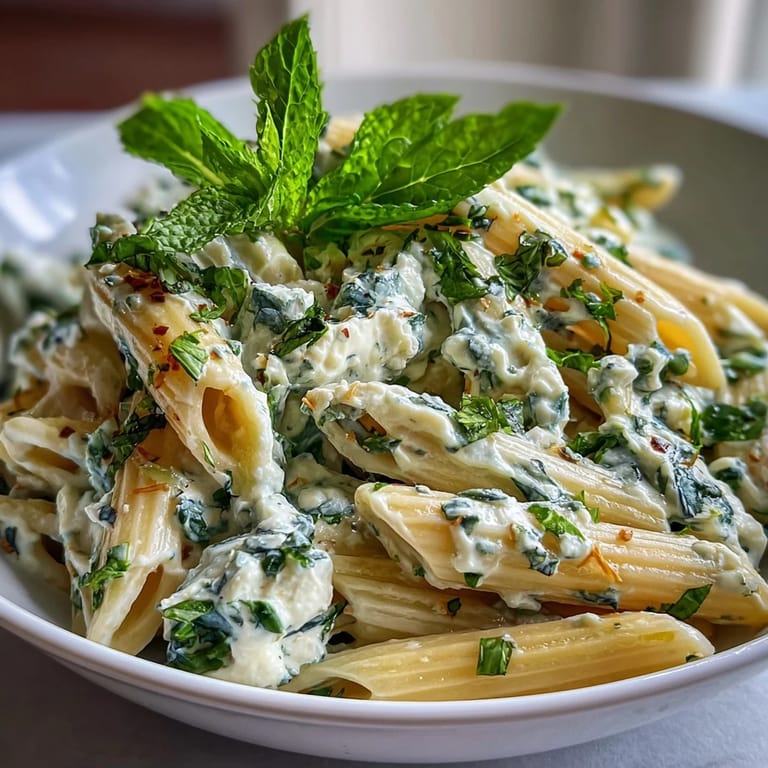
 There's a moment every spring when I open the market and see those bright green pea pods, and suddenly the whole winter of heavy foods feels behind me. I bought a bunch one Tuesday afternoon and decided to throw together whatever creamy things were in my fridge, and somehow mint crept into the pan—not planned, just there—and the pasta emerged tasting like the exact opposite of everything I'd been eating for months. It's become my signal that the season has truly turned.
I made this for my neighbor one evening when she stopped by with homemade bread, and watching her face when she tasted it—that small nod of recognition, the way she immediately asked for the recipe—reminded me that the simplest dishes sometimes land harder than anything complicated ever could. We sat on the porch eating it while the light turned golden, and the conversation drifted in the way it does when you're both just content.
Ingredients
- 350 g short pasta (penne, fusilli, or orecchiette): Shapes with ridges or curves hold the creamy ricotta better than smooth pasta, and the cooking water you reserve becomes your secret weapon for silkiness.
- 250 g fresh or frozen peas: Fresh peas in season are incomparable, but frozen ones—often picked at peak ripeness—work beautifully and honestly taste better than sad supermarket fresh peas.
- 2 cloves garlic, finely chopped: Don't skip the mincing; bigger pieces turn harsh when cooked this briefly, and you want just a whisper of garlic supporting the mint and peas.
- Zest of 1 unwaxed lemon: This is where half the brightness lives; a microplane does this effortlessly and gives you finer zest that distributes evenly.
- 250 g ricotta cheese: The ricotta should be creamy and slightly loose; dense, dry ricotta will clump rather than melt into sauce.
- 50 g grated Parmesan cheese, plus extra to serve: Freshly grated makes all the difference—pre-grated contains anticaking agents that prevent smooth melting.
- 1 small bunch fresh mint leaves, finely chopped: Mint is delicate; chop it just before using, and never cook the entire amount—reserve half to scatter fresh at the end.
- 2 tbsp extra-virgin olive oil: This matters more than you think; a good oil becomes part of the dish, not just cooking medium.
- Freshly ground black pepper, to taste: Use a grinder and be generous; pepper becomes sweet and complex when cracked fresh.
Tired of Takeout? 🥡
Get 10 meals you can make faster than delivery arrives. Seriously.
One email. No spam. Unsubscribe anytime.
Instructions
- Get your water ready and your pasta going:
- Bring a large pot of salted water to a rolling boil—it should taste like seawater, which seasons the pasta itself rather than relying on salt later. Add your pasta and stir immediately so nothing sticks, then cook to al dente according to package instructions, which usually means a minute or two under the time they suggest. Before draining, fish out a mug of that starchy cooking water; this liquid gold will make your sauce cling to every strand.
- Warm the oil and awaken the garlic:
- While the pasta cooks, pour your olive oil into a large pan over medium heat and let it warm until it moves easily and smells faintly fragrant. Add your minced garlic and listen for a gentle sizzle; this takes about a minute, and you want the garlic soft and pale, never brown or angry.
- Bring the peas into the warmth:
- Tip your peas into the pan and let them cook for two to three minutes, stirring occasionally so they heat through and brighten. If you're using frozen peas, give them an extra minute; you're listening for them to become tender enough that they squish slightly between your tongue and the roof of your mouth.
- Combine the pasta with the peas:
- Add your drained pasta to the pan and toss everything together so each piece gets coated with the oil and mingles with the peas. This is the moment where it starts to look like a dish rather than components.
- Bring it off the heat and fold in the creamy richness:
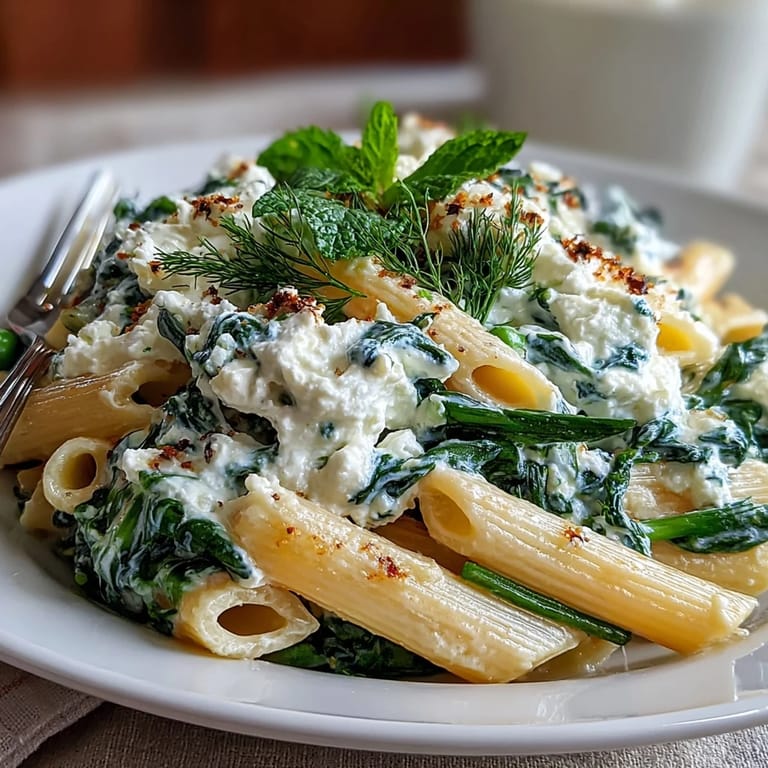
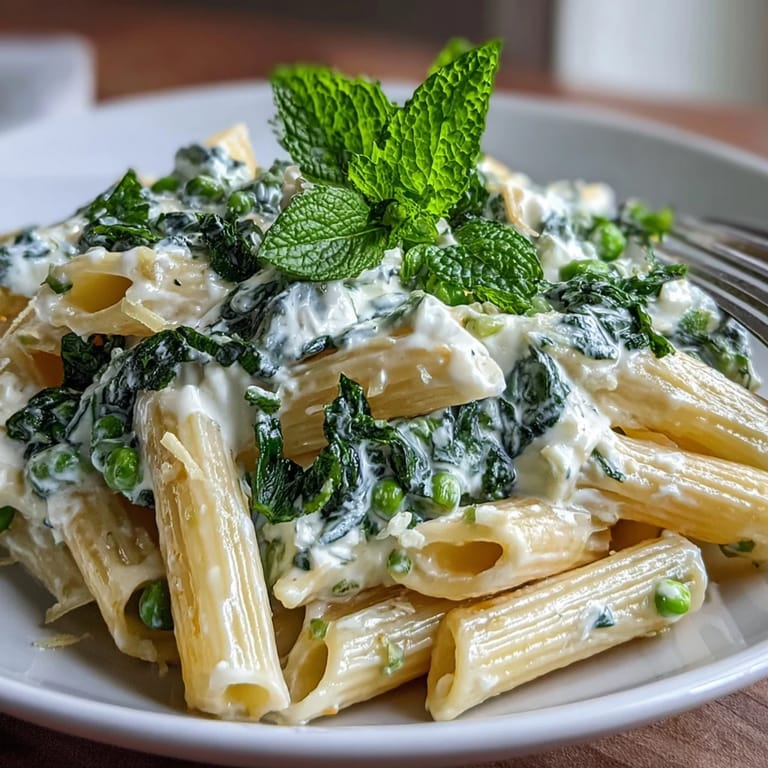
- Remove the pan from the heat entirely—this is crucial because the ricotta shouldn't cook or scramble. Stir in the ricotta, lemon zest, Parmesan, and half your chopped mint, then add enough reserved pasta water a splash at a time until the sauce coats the pasta in a creamy layer without drowning it.
- Season and serve with fresh herbs:
- Taste as you go and season generously with salt and black pepper; you want these flavors bold enough to shine. Divide among plates and scatter the remaining mint and extra Parmesan over the top so the fresh mint hits your nose before the flavor hits your tongue.
 Save It
 My younger cousin, who lives on chicken fingers and basic carbs, asked for seconds when she was visiting, and I watched her mother's face go from skeptical to amazed. It's the kind of dish that makes people trust you in the kitchen, which is maybe the highest compliment of all.
Why Mint Matters Here
Mint seems fragile compared to the other flavors in a dish, but it's actually incredibly assertive and green in the best way—it cuts through the richness of the ricotta and Parmesan, and it makes you taste the spring in every bite. The key is respecting its delicacy: chop it at the last minute, add half while the pasta is still warm enough to release the mint's oils, and scatter the rest raw so you get that bright, almost peppery finish that mint has before it mellows and becomes background flavor.
The Lemon Zest Secret
Lemon zest does something almost invisible here—it doesn't make the dish taste lemony, but it makes every other flavor taste more like itself. The oils in the zest are aromatic and complex, and they sit on top of the creamy sauce like a gentle awakening, preventing the whole thing from becoming dull or one-note. If you don't have an unwaxed lemon, scrub a regular one under warm water before zesting, or just trust that the flavor is worth the tiny bit of worry.
Variations and Add-Ins to Explore
This recipe is endlessly adaptable depending on what you have and what season it is, and some of my best versions have come from improvisation rather than following my own instructions. A handful of baby spinach or arugula tossed in at the end adds pepper and earthiness without changing the fundamental character of the dish. Toasted pine nuts scattered on top bring crunch that plays beautifully against the creamy sauce, and they catch the light in a way that makes the plate look intentional. You can also stir in a pinch of red pepper flakes for heat, add a splash of white wine to the pan after cooking the garlic, or even swap half the ricotta for mascarpone if you want something even more luxurious.
- Fresh herbs like basil, dill, or chervil can substitute for mint if that's what you have on hand, though mint's brightness is hard to replicate.
- A squeeze of fresh lemon juice at the very end, right at the table, adds a final note of acid that makes everything pop.
- If the sauce feels too thick, warm a little more pasta water and add it slowly; there's no shame in adjusting consistency as you go.
 Save It
 This is the kind of pasta that reminds you why cooking for people matters, and why sometimes the simplest things—good ingredients, proper timing, and a willingness to let things taste like what they are—become the meals people remember. Make it once and you'll find yourself reaching for it again when you need something that feels both easy and special.
Common Questions About Recipes
- → Can I use frozen peas instead of fresh?
Yes, frozen peas work well. Cook them slightly longer until tender and bright green for best flavor.
- → What pasta shape works best with this dish?
Short pasta like penne, fusilli, or orecchiette is ideal as it holds the creamy sauce and peas nicely.
- → How do I make the sauce creamy without cream?
The ricotta combined with reserved pasta water creates a silky, creamy sauce that coats the pasta beautifully.
- → Can I substitute ricotta with another cheese?
Ricotta’s mild creaminess is key, but soft cheeses like cottage cheese or a dairy-free alternative can be used if preferred.
- → What herbs complement the flavors best?
Fresh mint provides a fragrant brightness here, but a small amount of basil or parsley can also enhance the dish.
- → Is this dish suitable for vegetarian diets?
Yes, it uses no meat and relies on dairy and vegetables, making it perfect for lacto-vegetarians.