 Save It
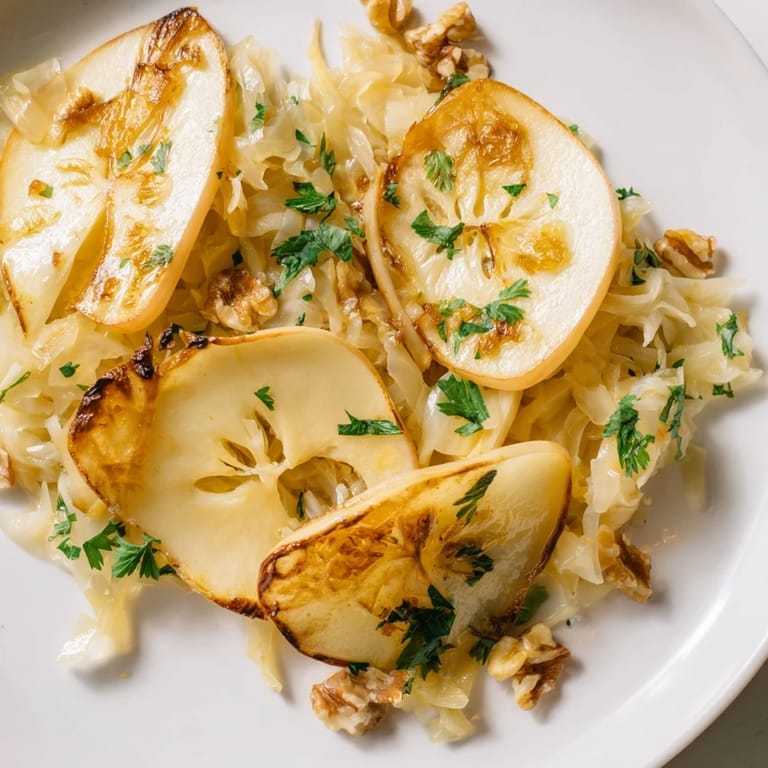
 My neighbor once brought over a jar of homemade sauerkraut, and I stared at it for weeks, unsure what to do beyond hot dogs. One chilly afternoon, I had apples browning on the counter and decided to throw them in a skillet together. The smell that filled the kitchen, sweet and sharp and earthy, made me realize I'd stumbled onto something quietly brilliant. It wasn't fancy, but it felt nourishing in a way that stuck with me. Now it's my go-to when I want something warm, tangy, and oddly comforting.
I made this for a potluck once, skeptical anyone would touch it. A friend who claimed to hate sauerkraut came back for seconds, fork in hand, asking what I'd done to make it taste like that. I hadn't done anything magical, just let the apples soften and the caraway seeds bloom. That night, I learned that warmth and a little sweetness can make people reconsider ingredients they thought they knew. It became my quiet proof that simple cooking can change minds.
Ingredients
- 2 medium apples (such as Honeycrisp or Gala), cored and sliced: These bring natural sweetness and caramelize beautifully in the skillet, softening just enough to balance the sauerkraut's bite without turning mushy.
- 1 small red onion, thinly sliced: Red onion mellows as it cooks, adding a subtle sweetness and a gorgeous color that makes the dish look as good as it tastes.
- 2 cups fresh sauerkraut, drained: The heart of this dish, tangy and probiotic-rich, it warms through without losing its lively sharpness if you treat it gently.
- 2 tbsp olive oil: A fruity olive oil adds richness and helps the apples and onions turn golden without sticking to the pan.
- 1 tbsp apple cider vinegar: This brightens everything up, echoing the sauerkraut's acidity and tying the flavors together in a way that feels intentional.
- 1 tsp honey or maple syrup: Just a touch of sweetness rounds out the tang and helps the apples caramelize, creating a gentle harmony in every bite.
- ½ tsp caraway seeds (optional): These little seeds bloom into something warm and faintly licorice-like, a classic pairing with sauerkraut that feels traditional without being heavy-handed.
- ¼ tsp freshly ground black pepper: A whisper of heat that wakes up the other flavors without announcing itself too loudly.
- Salt, to taste: Sauerkraut is already salty, so taste first and add cautiously, you might not need any at all.
- 2 tbsp chopped fresh parsley: Bright green and grassy, parsley cuts through the richness and makes the dish feel fresh, not heavy.
- ¼ cup toasted walnuts or pecans (optional): Toasted nuts add crunch and a buttery depth that turns this from a simple side into something you could happily eat from the skillet with a fork.
Tired of Takeout? 🥡
Get 10 meals you can make faster than delivery arrives. Seriously.
One email. No spam. Unsubscribe anytime.
Instructions
- Warm the skillet:
- Heat olive oil in a large skillet over medium heat until it shimmers slightly. The oil should be hot enough to sizzle gently when you add the apples, but not so hot that anything burns before it softens.
- Sauté the apples and onion:
- Add sliced apples and red onion, stirring occasionally for 5 to 6 minutes until the apples turn golden at the edges and the onions go translucent and sweet. Let them sit undisturbed for a minute or two between stirs so they caramelize rather than steam.
- Bloom the caraway:
- Stir in caraway seeds if using, and cook for about 1 minute until they smell toasty and faintly sweet. This step wakes up the spice and makes it feel like it belongs there, not like an afterthought.
- Add sauerkraut and seasonings:
- Toss in sauerkraut, apple cider vinegar, honey or maple syrup, and black pepper, stirring gently to combine. Cook for another 2 to 3 minutes, just until the sauerkraut is warmed through but still has its lively tang and bite.
- Taste and adjust:
- Taste carefully and add a pinch of salt if needed, though the sauerkraut often provides enough. This is your moment to balance sweet, sour, and savory to your liking.
- Finish and serve:
- Remove from heat and transfer to a serving platter or bowl. Sprinkle with chopped parsley and toasted nuts if desired, then serve warm while the apples are still tender and the flavors are singing.
 Save It
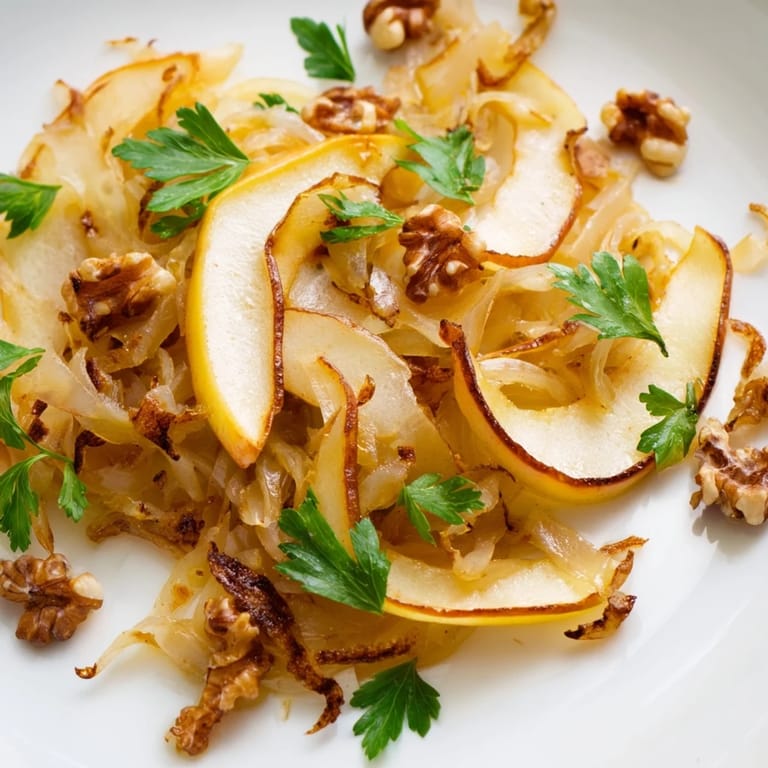
 One evening, I served this alongside roasted chicken, and my partner, who usually skips vegetables, scraped the bowl clean. He didn't say much, just kept going back for more, fork scraping ceramic. Later, he admitted he'd never thought of sauerkraut as something you could actually crave. That quiet validation, watching someone discover something new without fanfare, is why I keep making this dish.
Making It Your Own
This skillet is forgiving and adaptable in the best way. I've stirred in smoked tofu for a heartier version, added a handful of raisins for extra sweetness, and once tossed in leftover cooked kielbasa that turned it into a full meal. If you like more tartness, swap in Granny Smith apples. If you want it richer, a splash of cream at the end makes it almost decadent. The base is sturdy enough to handle whatever your fridge or your mood suggests.
Serving Suggestions
I love this warm from the skillet, but it also holds up beautifully at room temperature, which makes it perfect for picnics or potlucks. Serve it alongside grilled sausages, roasted potatoes, or a simple piece of fish. It's also surprisingly good tucked into a wrap with hummus or spooned over a bowl of grains. The tangy-sweet profile plays well with almost anything savory, so don't be afraid to experiment with what's already on your table.
Storage and Reheating
Leftovers keep well in the fridge for up to four days in an airtight container. The flavors deepen as they sit, becoming even more harmonious. Reheat gently in a skillet over low heat, stirring occasionally, or enjoy it cold straight from the container as a quick snack. I've been known to eat it for breakfast with a fried egg on top, and it works surprisingly well.
- Store without the nuts and parsley, then add fresh toppings when you reheat for the best texture.
- If it seems dry after refrigerating, add a splash of apple cider vinegar or a drizzle of olive oil to bring it back to life.
- Freeze individual portions in small containers for up to two months, though the apples may soften a bit more upon thawing.
 Save It
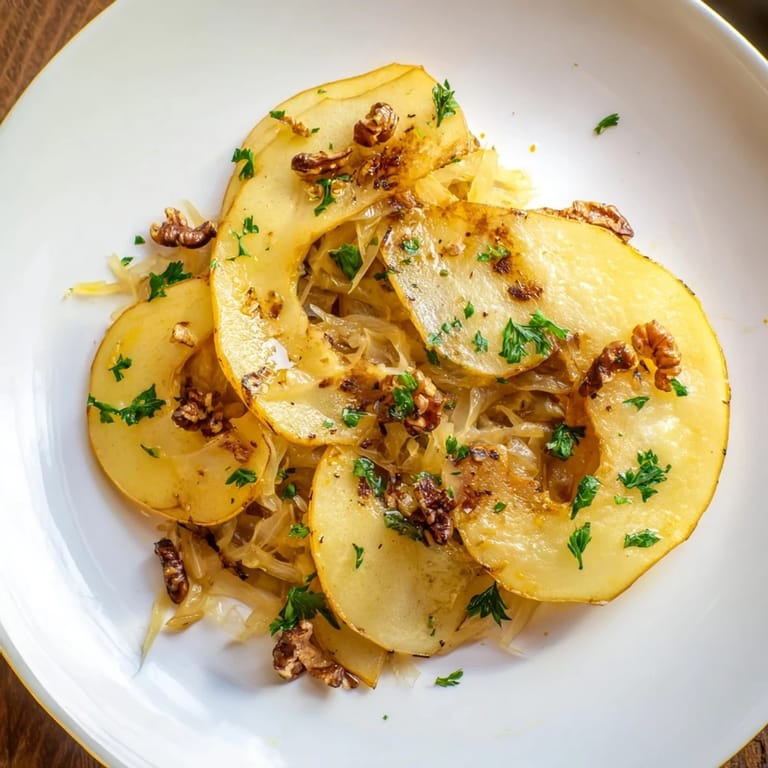
 This dish taught me that comfort doesn't always mean cream or cheese, sometimes it's just apples and cabbage meeting in a warm skillet. I hope it becomes one of those recipes you return to when you want something simple, nourishing, and quietly satisfying.
Common Questions About Recipes
- → Can I make this dish ahead of time?
Yes, you can prepare the components in advance. Cook the apples and sauerkraut mixture, then refrigerate for up to 3 days. Reheat gently in a skillet before serving with fresh garnishes added just before plating.
- → What apple varieties work best?
Honeycrisp and Gala apples offer a balanced sweetness that complements the tangy sauerkraut. For extra tartness, use Granny Smith apples. Avoid very soft varieties that lose their shape during cooking.
- → How do I make this vegan-friendly?
Simply substitute maple syrup for honey in the recipe. All other ingredients are naturally plant-based, making this an excellent vegan side dish option.
- → What can I add to make this a complete meal?
Stir in cooked kielbasa or smoked tofu during the final minutes of cooking. You can also serve it alongside grilled sausages, roasted potatoes, or crusty bread for a heartier presentation.
- → How should I store leftover sauerkraut?
Store the finished dish in an airtight container in the refrigerator for up to 3 days. The flavors actually develop and improve slightly as it sits. Reheat gently before serving to maintain the sauerkraut's probiotic benefits.
- → Is caraway essential to this dish?
Caraway seeds add traditional German flavor, but they're completely optional. If you prefer a milder taste without the distinctive caraway notes, simply omit them without affecting the overall success of the dish.