 Save It
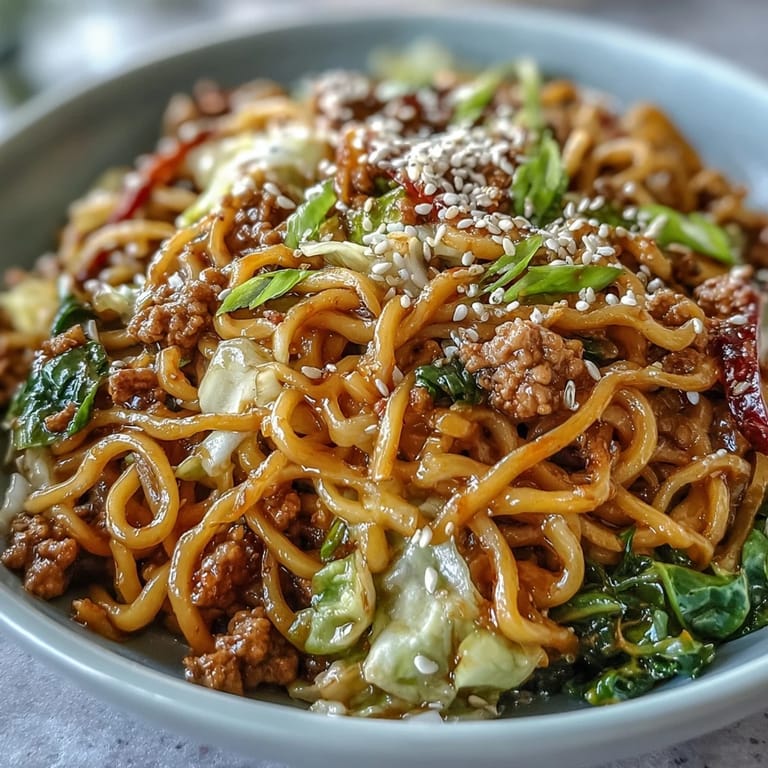
 Last Tuesday I stood in front of my pantry, staring at a pound of ground turkey and wondering if I could make something more interesting than the usual weeknight scramble. My hand reached for the gochujang almost automatically, that rust-colored paste I'd been experimenting with for months, and suddenly the whole dish came together in my head—crispy noodles, charred vegetables, that perfect balance of salty and spicy. What started as mild curiosity turned into one of those meals that felt fancy enough to impress but came together in under forty minutes.
My neighbor Marcus smelled it cooking and wandered over with his kids, and I ended up plating four servings without even thinking about it. His daughter went back for seconds, which never happens with the picky eaters, and I realized right then that this recipe had staying power. It's become the go-to meal when I want something that feels indulgent but doesn't actually require babysitting a stove.
Ingredients
- Ground turkey (1 lb): Leaner than beef but needs that sauce to sing, so don't skip the gochujang or you'll end up with something bland.
- Fresh or dried wheat noodles (10 oz): Udon gives you a chewier bite, ramen offers more delicate texture—pick based on your mood.
- Shredded carrots (1 cup): They cook fast and add natural sweetness that balances the heat beautifully.
- Red bell pepper (1): The color matters here as much as the flavor, plus it softens just enough without turning mushy.
- Onion (1 small): Thinly slice it so it actually cooks through in the quick stir-fry window.
- Napa cabbage (2 cups shredded): This is your volume builder and adds that crisp freshness the dish desperately needs.
- Green onions (2), sliced: Raw green onions scattered at the end taste completely different than cooked ones, so save half for garnish.
- Soy sauce (3 tbsp): The backbone of your sauce, so use the good stuff if you have it.
- Gochujang (2 tbsp): Don't be shy with this—it's fermented, complex, and makes the whole dish worth making.
- Sesame oil (1 tbsp): Drizzle it in at the end too if you're feeling bold, it's that transformative.
- Brown sugar (1 tbsp): Cuts the heat and adds a subtle caramel note that nobody identifies but everyone tastes.
- Garlic (2 cloves minced): Mince it fine so it distributes throughout the sauce instead of leaving chunks.
- Rice vinegar (1 tbsp): Adds brightness that stops the dish from feeling heavy.
- Ginger (1 tsp freshly grated): Fresh is non-negotiable here, the powdered stuff changes the entire flavor profile.
- Toasted sesame seeds: Sprinkle these on at the very end for crunch and visual drama.
Tired of Takeout? 🥡
Get 10 meals you can make faster than delivery arrives. Seriously.
One email. No spam. Unsubscribe anytime.
Instructions
- Build your sauce first:
- Whisk together soy sauce, gochujang, sesame oil, brown sugar, garlic, rice vinegar, and ginger in a small bowl. The gochujang might look lumpy at first, but keep whisking until it breaks down into something glossy and cohesive. Set it aside while you cook everything else—this step takes literally two minutes and changes the whole game.
- Cook the noodles:
- Follow package instructions and remember that slightly undercooked noodles are your friend here because they'll finish cooking in the skillet. Drain and rinse under cold water so they don't stick together in clumps.
- Brown the turkey:
- Heat your skillet over medium-high heat with just a drizzle of oil, then add the ground turkey. Break it apart as it cooks, and let it sit for thirty seconds between stirs so you actually get some browning instead of just steaming it. You're looking for golden-brown bits, not gray mush, so give it the full four to five minutes.
- Stir-fry the vegetables:
- Once the turkey's cooked through, push it to the side and add onion, carrots, and bell pepper. They'll start softening immediately, so don't walk away—keep your spatula moving. After two to three minutes, add the cabbage and keep stirring for another two minutes until everything's still slightly crisp but cooked.
- Bring it together:
- Pour in your sauce and toss everything until the turkey and vegetables are fully coated. You'll smell the gochujang wake up, and the whole skillet will turn this gorgeous rust color.
- Add the noodles:
- Toss in your cooked noodles and stir-fry for two to three more minutes. Watch as they absorb the sauce and get slightly crispy from the pan—this textural contrast is what separates this from just mixing noodles into leftovers.
- Finish and serve:
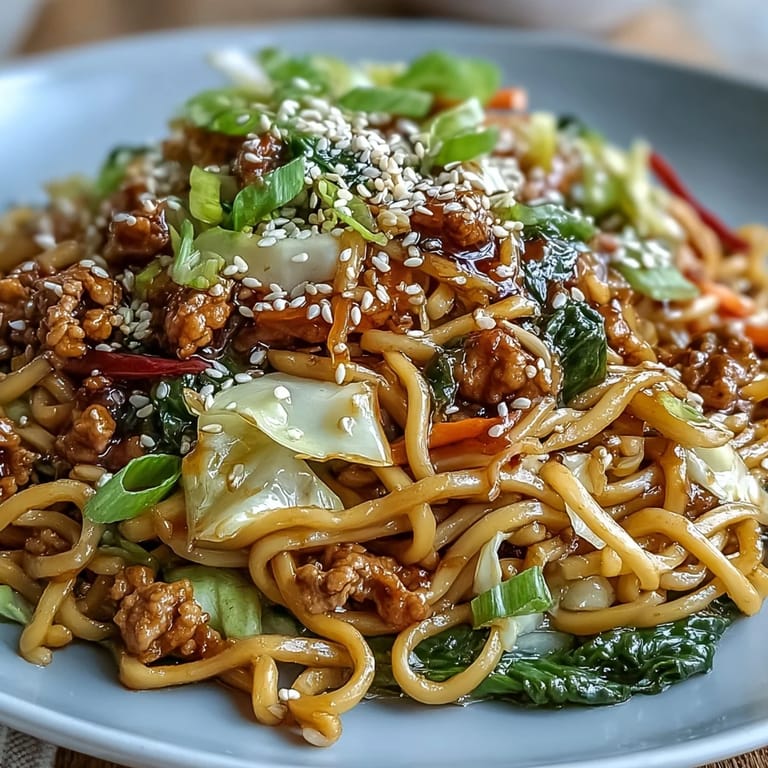
- Remove from heat, scatter sesame seeds and extra green onions on top, and eat it hot from the skillet if nobody's watching.
 Save It
 This became the dish I make when I'm tired but refuse to eat sad food, when I want something with actual flavor but don't have the energy for complexity. There's something magical about how gochujang transforms ground turkey from forgettable to crave-worthy, and those crispy noodle edges are honestly what I look forward to most.
The Secret Life of Gochujang
Gochujang spent years sitting in my pantry as an intimidating mystery, something I'd bought on impulse and didn't quite trust. Once I actually started using it, I realized it's basically the Korean equivalent of hot sauce but ten times more complex—fermented, slightly sweet, with this depth that makes everything taste like you know what you're doing. Now it's in my fridge permanently, and I sneak it into soups, scrambled eggs, even salad dressing.
Why Ground Turkey Deserves Better
Ground turkey gets a bad rap because people treat it like lean protein instead of an actual ingredient with potential. The trick is bathing it in sauce and not leaving it naked on the plate—this recipe does exactly that, letting the turkey be the vehicle for bold flavors instead of fighting to taste like something on its own. Paired with the noodles and vegetables, it's actually the perfect canvas for all the Korean-inspired seasonings.
Make It Your Own
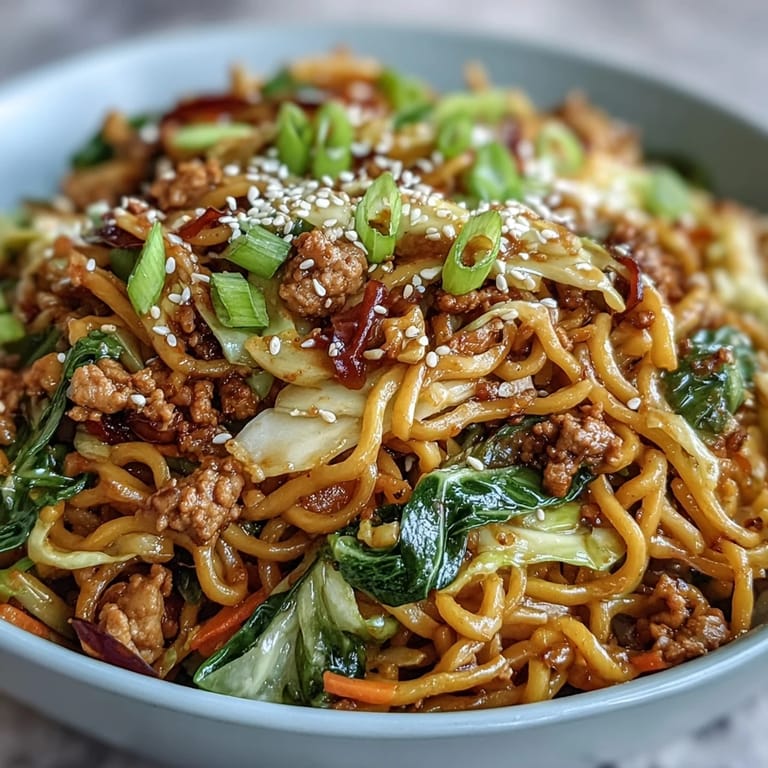
This recipe is genuinely flexible depending on what's in your fridge and how brave you're feeling. The proteins swap easily, the vegetables are suggestions not requirements, and the heat level is totally customizable.
- Swap ground turkey for ground chicken or beef—beef will be richer, chicken slightly more delicate, but all three work beautifully.
- Add a dash of gochugaru (Korean chili flakes) if you want real heat, or more gochujang if you want it without the texture of flakes.
- Use tamari and gluten-free noodles if you need to dodge gluten, and the dish honestly tastes just as good.
 Save It
 This recipe proved to me that weeknight cooking doesn't have to be boring, and that sometimes the boldest flavors come from the simplest techniques. Make it when you need comfort that doesn't feel like giving up.
Common Questions About Recipes
- → What makes these noodles Korean-style?
The Korean-inspired sauce features gochujang (Korean chili paste), sesame oil, rice vinegar, and fresh ginger, creating that signature sweet-spicy-savory flavor profile found in Korean cuisine.
- → Can I use different protein?
Absolutely. Ground chicken or beef work beautifully as substitutes. Just follow the same cooking method and timing for similar results.
- → What noodles work best?
Fresh or dried wheat noodles like udon or ramen are ideal. Their thickness and chewy texture hold up well during stir-frying and absorb the sauce perfectly.
- → How can I make this gluten-free?
Use gluten-free tamari instead of soy sauce, and opt for rice noodles or other gluten-free noodle varieties. Always check labels on ingredients like gochujang.
- → Can I add more vegetables?
Certainly. Mushrooms, snap peas, bean sprouts, or bok choy make excellent additions. Just adjust cooking times accordingly so vegetables stay crisp-tender.
- → How spicy is this dish?
With 2 tablespoons of gochujang, the dish has a medium heat level. Adjust by adding more for extra kick or reducing for a milder version. Gochugaru can amplify the spice.