 Save It
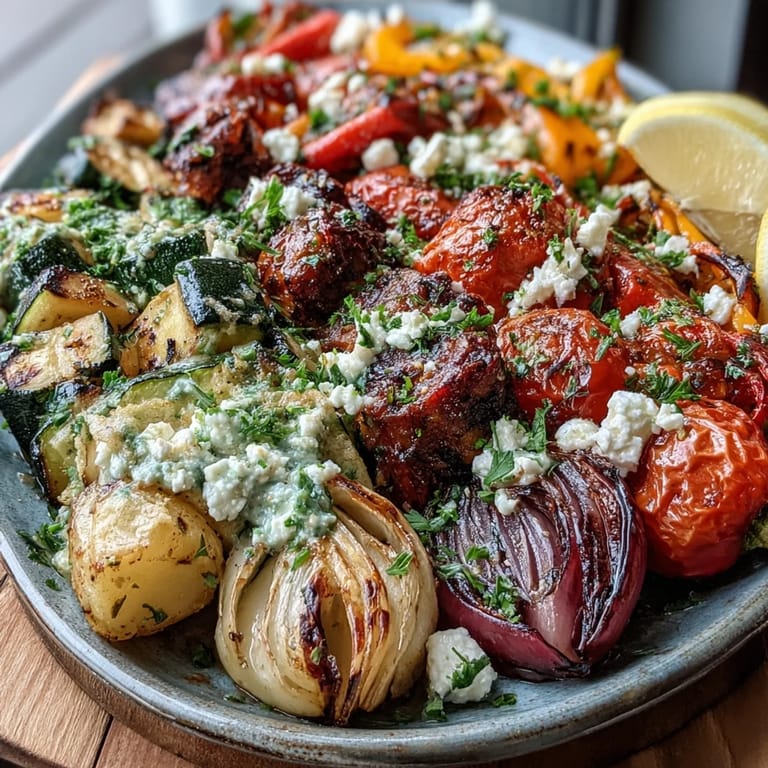
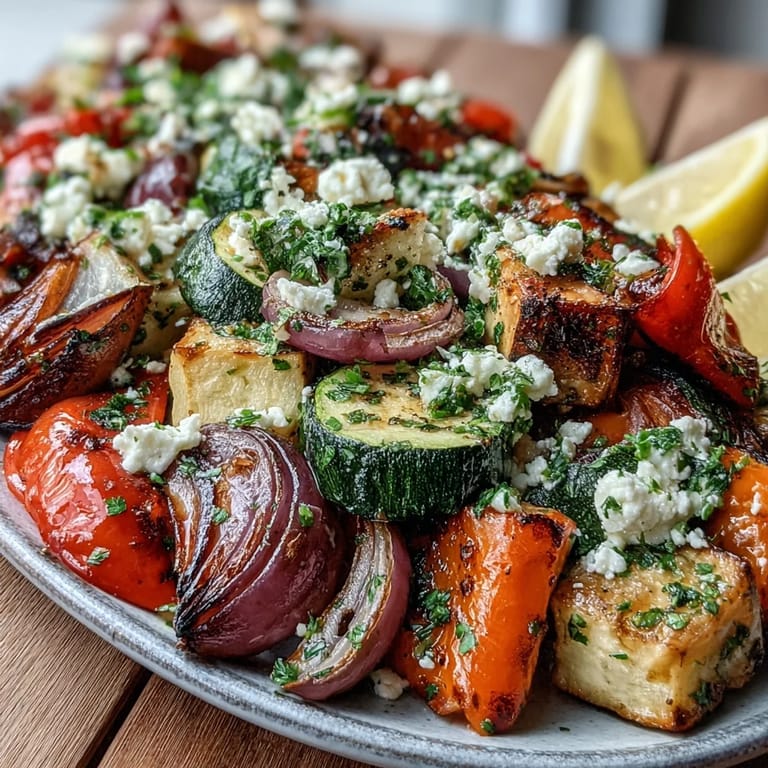
 The first time I made Roasted Mediterranean Greek Vegetables, the kitchen filled with an aroma that transported me straight to a seaside taverna in Santorini. It was a dreary Tuesday evening, and I was craving something colorful to brighten the mood. As the vegetables caramelized in the oven, their edges crisping perfectly, I found myself dancing between stirring and setting the table. What began as a simple side dish has since become my go-to recipe when entertaining friends who claim they dont love vegetables.
Last summer, I brought these roasted vegetables to a potluck at the beach, and the container was scraped clean within minutes. My friend Maria, whose grandmother is from Athens, took one bite and squeezed my arm whispering, This tastes like home. I watched as people who claimed they werent hungry came back for seconds, using pieces of bread to soak up the last bits of olive oil and herbs from the serving dish. It was then I realized that sometimes the simplest recipes create the most powerful connections.
Ingredients
- Eggplant: Choosing smaller eggplants with taut, shiny skin will give you the sweetest flavor with minimal bitterness.
- Zucchini: Medium-sized ones roast more evenly than large ones, which can become mushy in the center before the edges caramelize.
- Bell Peppers: The combination of red and yellow not only adds visual appeal but also different levels of sweetness.
- Red Onion: These develop an incredible jammy texture and mild sweetness when roasted that yellow onions just cant match.
- Cherry Tomatoes: They burst in the oven, creating little pockets of intense tomato flavor that coat the other vegetables.
- Olive Oil: This is where splurging on good quality extra virgin olive oil makes a noticeable difference in the final flavor.
- Dried Herbs: The Mediterranean trinity of oregano, thyme, and rosemary infuses the vegetables with classic Greek flavor.
- Feta Cheese: Look for authentic Greek feta made from sheep's milk for the creamiest, tangiest finish.
Tired of Takeout? 🥡
Get 10 meals you can make faster than delivery arrives. Seriously.
One email. No spam. Unsubscribe anytime.
Instructions
- Prep your vegetables:
- Cut everything into similar-sized pieces so they cook evenly, about 1-inch chunks for the eggplant and bell peppers, and half-inch rounds for the zucchini. I find slightly larger pieces hold their shape better and dont shrink to nothing.
- Season generously:
- In a large bowl, toss the vegetables with olive oil until each piece glistens, then add herbs, salt, and pepper. Use your hands to massage the seasonings into every nook and cranny.
- Create breathing room:
- Spread vegetables on your baking sheet with space between them, almost like theyre socially distancing. Crowding leads to steaming rather than roasting, and youll miss out on those delicious crispy edges.
- Midway check:
- After 20 minutes, take a moment to flip the vegetables so they brown evenly on all sides. This is when I add the cherry tomatoes and garlic, as they need less time to cook.
- Finish with brightness:
- The moment the vegetables come out of the oven, drizzle them with fresh lemon juice. The heat helps the citrus absorb into the vegetables, adding a subtle zing that balances the richness.
- Assembly with care:
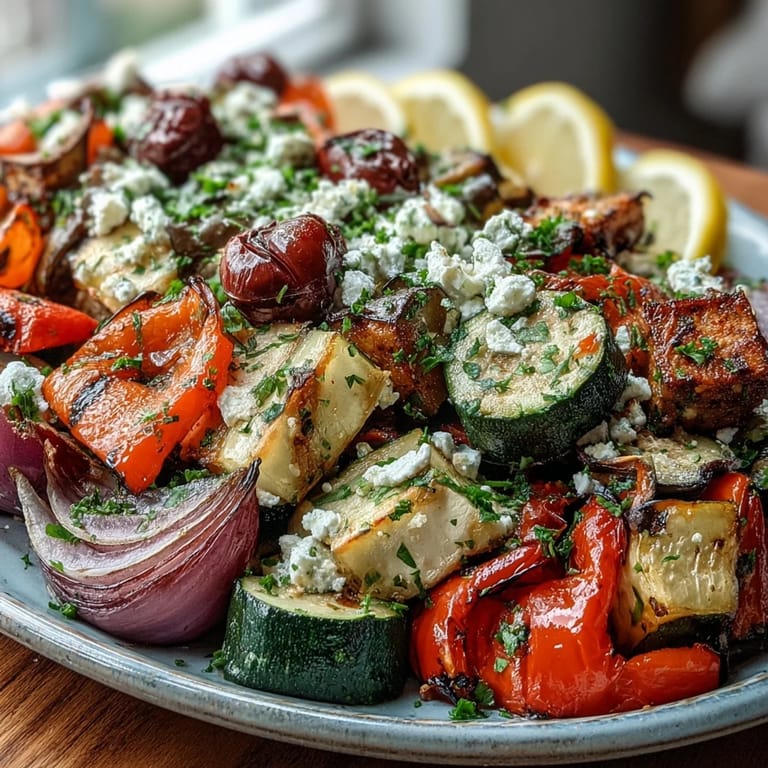
- Transfer everything to a serving platter, letting the warm vegetables slightly melt the feta as you sprinkle it over top. The final touch of fresh parsley adds color and a burst of herbaceous flavor.
 Save It
 One particularly memorable evening, I served these Mediterranean vegetables alongside a simple grilled fish for my parents anniversary dinner. My father, who typically views vegetables as a mere obligation rather than something to enjoy, went unusually quiet after his first bite. He looked up with genuine surprise and said, This is what vegetables are supposed to taste like. That moment of converting a lifelong vegetable skeptic felt like winning a culinary medal, and Ive made this dish for special occasions ever since.
Vegetable Selection Secrets
Ive experimented with this recipe dozens of times, and Ive found that the freshness of your vegetables dramatically affects the end result. Summer farmers market vegetables, harvested at peak ripeness, roast more quickly and develop deeper flavor than out-of-season supermarket options. When cooking in winter months, I often increase the roasting time by 5-7 minutes and boost the herbs slightly to compensate. The vegetables should yield easily to a fork but still maintain their individual integrity, not collapse into mush.
Make-Ahead Magic
The beauty of this recipe lies in its flexibility and how it actually improves with a little rest. I often prepare it a few hours before guests arrive, leaving it to cool at room temperature after roasting. The flavors meld beautifully, and a quick 5-minute reheat in a hot oven just before serving brings back the texture without overcooking. For casual weeknight meals, I sometimes roast a double batch and use the leftovers in grain bowls, frittatas, or tossed with pasta during the week, creating entirely different meals from the same foundation.
Seasonal Adaptations
This dish transforms beautifully with the seasons, becoming a culinary chameleon in my kitchen throughout the year. In summer, I often substitute half the zucchini with yellow summer squash for color and add fresh basil instead of parsley at the end. During fall, a handful of cubed butternut squash adds sweetness, while winter calls for heartier additions like chunks of fennel or brussels sprouts alongside the core Mediterranean vegetables.
- For a protein boost, add a can of drained chickpeas during the last 10 minutes of roasting for a crispy exterior.
- When tomatoes arent at their peak, substitute with sundried tomatoes added in the final minutes instead.
- For family-style entertaining, serve directly in the roasting pan with warm bread on the side for an interactive, casual presentation.
 Save It
 These Roasted Mediterranean Greek Vegetables have become more than just a recipe in my cooking repertoire, theyre a reminder that sometimes the most humble ingredients can create the most profound flavors. I hope they bring the same joy to your table as theyve brought to mine.
Common Questions About Recipes
- → Can I prepare these vegetables ahead of time?
Yes, you can chop all the vegetables and mix them with the seasonings the night before. Store them in an airtight container in the refrigerator, then roast when ready. The flavors actually develop beautifully overnight.
- → What other vegetables work well in this dish?
Artichoke hearts, red potatoes, or mushrooms make excellent additions. Just adjust roasting time accordingly—potatoes may need 10-15 extra minutes to become tender.
- → How do I store leftovers?
Keep leftovers in an airtight container in the refrigerator for up to 4 days. The flavors meld and intensify overnight, making leftovers even more delicious the next day. Reheat gently or enjoy at room temperature.
- → Can I make this dish vegan?
Absolutely. Simply omit the feta cheese or replace it with toasted pine nuts, sun-dried tomatoes, or a sprinkle of nutritional yeast for a savory, protein-rich alternative.
- → What's the best way to serve these roasted vegetables?
They pair wonderfully with warm pita bread, over quinoa or couscous, or as a bed for grilled chicken and fish. They're also delicious tucked into wraps or served alongside a simple green salad.
- → Why should I leave space between vegetables on the baking sheet?
Spacing allows hot air to circulate around each piece, ensuring even roasting and promoting caramelization. Overcrowding causes vegetables to steam instead of roast, resulting in softer texture and less flavor depth.