 Save It
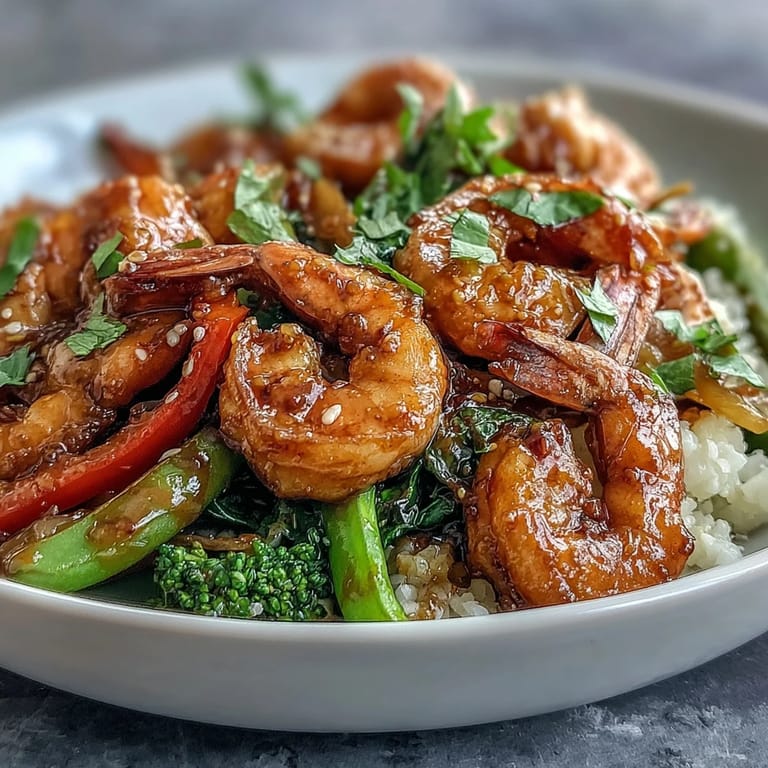
 There's something about the sizzle of shrimp hitting a hot pan that makes me feel like I'm cooking something special, even on a random Tuesday night. My friend texted asking what I was making for dinner, and when I said stir-fry over cauliflower rice, she laughed—said it sounded too healthy to be fast. Twenty minutes later, she was eating straight from the serving bowl, no plate needed. This recipe proves you don't have to choose between quick, nutritious, and absolutely delicious.
I made this for my family during that phase when everyone was suddenly worried about carbs, and it became the unexpected hero of the week. My mom, who is notoriously skeptical about cauliflower rice, actually asked for seconds. Even my brother, who eats like a teenager, admitted the ginger and garlic made everything taste restaurant-quality. That's when I realized this wasn't just a diet recipe—it was genuinely good food.
Ingredients
- Large shrimp, peeled and deveined: One pound gives you enough protein to feel satisfied without weighing you down—buy them frozen if fresh isn't available, just thaw them properly before cooking.
- Red and yellow bell peppers: The color matters here; they add natural sweetness that rounds out the savory sauce, so don't skip either one.
- Sugar snap peas and broccoli florets: These stay crisp when you don't overcook them, which is the whole secret to a stir-fry that actually feels fresh.
- Carrots, julienned: Thin slices cook quickly and add a subtle sweetness that balances the salty-tangy sauce.
- Fresh garlic and ginger: Grate the ginger rather than mincing it—you get more juice and flavor packed into every bite.
- Low-sodium soy sauce or tamari: This is your umami foundation; don't skip the toasted sesame oil either, as it's what makes people ask why this tastes so good.
- Cauliflower rice: Use fresh or frozen, but fresh gives you better texture control when you're sautéing it.
Tired of Takeout? 🥡
Get 10 meals you can make faster than delivery arrives. Seriously.
One email. No spam. Unsubscribe anytime.
Instructions
- Pulse your cauliflower into rice:
- Cut the cauliflower into florets and pulse them in a food processor until they look like grains of rice—not flour, not chunks. If you don't have a processor, a box grater works, though your arms might feel it afterward.
- Toast the cauliflower rice gently:
- Medium heat matters here; rush it and it gets mushy, ignore it and it tastes bland. Four to five minutes, stirring often, is the sweet spot where it becomes fluffy and just slightly golden.
- Mix your sauce while something else cooks:
- Whisk soy sauce, sesame oil, rice vinegar, honey, and water together in a small bowl—if you want it thicker, add the cornstarch. This takes two minutes and means you're never scrambling while everything's cooking hot.
- Sear the shrimp fast:
- High heat, don't crowd the pan, and leave them alone for two to three minutes per side until they turn pink and opaque. Shrimp overcooks in seconds, so watch them closely the first time you make this.
- Build flavor with garlic and ginger:
- Thirty seconds of cooking them in a tiny bit of oil wakes up the whole pan; you'll smell it immediately. This is your cue that everything's about to taste amazing.
- Stir-fry the vegetables until crisp-tender:
- Three to four minutes over medium-high heat, stirring constantly, keeps them snappy instead of limp. If you're worried they're not soft enough, remember they'll keep cooking slightly when the sauce hits.
- Bring it all together with the sauce:
- Return the shrimp, pour in that glossy sauce, and toss everything for one to two minutes until it coats evenly and looks like restaurant food. The cornstarch will thicken it just enough to cling to the vegetables.
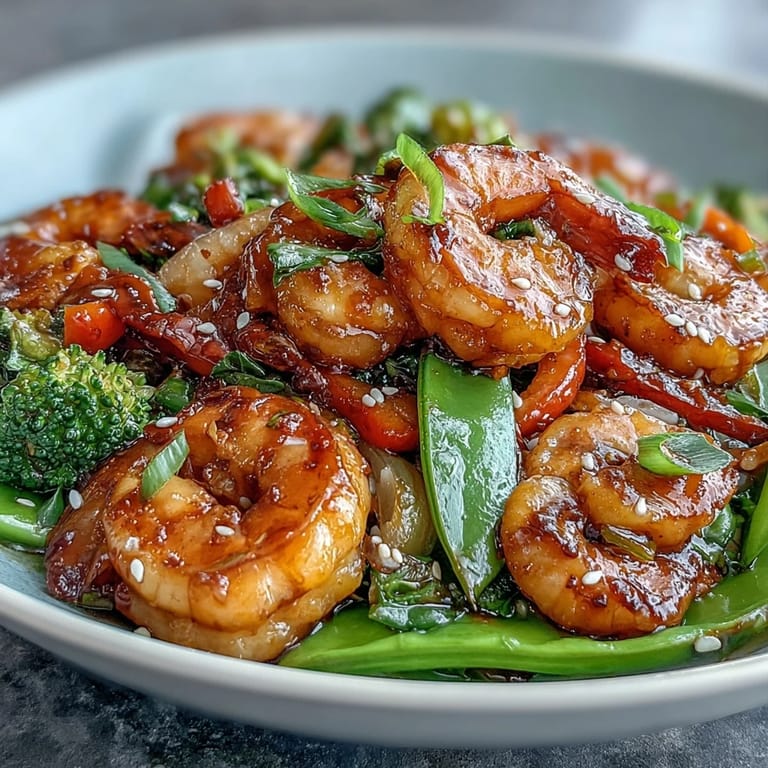 Save It
 There was this moment during dinner when my partner and I looked at each other halfway through eating and just nodded—not a word needed. Good food does that sometimes; it stops the conversation and makes you fully present. We both asked for the recipe that night, which never happens with cauliflower rice meals.
Why the Sauce Matters More Than You Think
The difference between this stir-fry tasting homemade and tasting like takeout is entirely in the sauce. Too much soy sauce and it's one-note salty; not enough and it tastes like you forgot something essential. The rice vinegar cuts through the richness, the honey rounds out any harsh edges, and the sesame oil adds this whisper of nutty depth that makes people lean in closer to their bowls. I learned this the hard way by trying to save time and skipping the vinegar once—never again.
The Cauliflower Rice Won't Fool Anyone, But It Doesn't Have to
People always expect cauliflower rice to taste like sadness disguised as health food, so they're genuinely surprised when it's actually tender and slightly nutty. The key is treating it with respect—sauté it with intention, not apology. When you pile that warm, slightly golden cauliflower rice into bowls and top it with all those glossy shrimp and vegetables, something shifts in how people perceive the meal. It's not a substitute for rice anymore; it's just what this dish is supposed to be.
Make It Your Own, But Keep These Anchors
This recipe is flexible without being wishy-washy—you can swap the shrimp for chicken thighs or cubed tofu, add different vegetables depending on the season, or throw in fresh lime juice at the end for brightness. Some people add chili flakes or sriracha if they like heat, and honestly, that's perfect. Just promise me you'll keep the garlic, ginger, and sesame oil core, because those three ingredients are what make this taste special instead of generic.
- Frozen shrimp works just as well as fresh, and it's often fresher than what's sitting in the fish counter.
- Pre-riced cauliflower saves you ten minutes of prep if you're trading convenience for a slightly higher price.
- Make the sauce the night before and keep it in a jar—one less bowl to worry about when you're cooking.
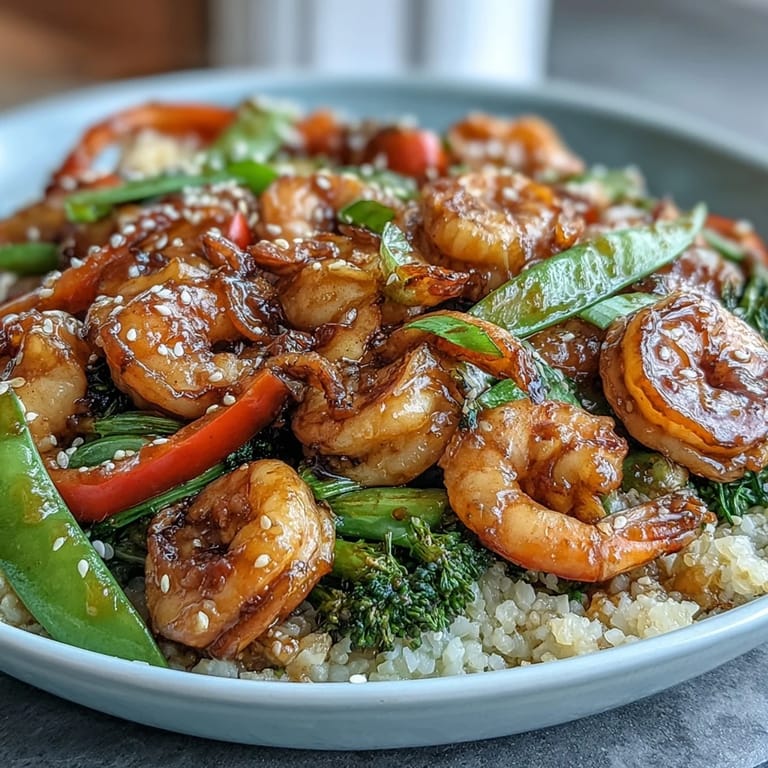 Save It
 This meal sits somewhere between weeknight dinner and something you'd actually want to cook for people you're trying to impress. That's the real victory here.
Common Questions About Recipes
- → Can I substitute shrimp with other proteins?
Yes, chicken breast, tofu, or tempeh make excellent alternatives for a similar flavorful outcome.
- → How do I prepare cauliflower rice quickly?
Use pre-riced cauliflower or pulse cauliflower florets in a food processor until rice-sized for a fast prep.
- → What sauce ingredients enhance the stir-fry flavor?
A mix of low-sodium soy sauce, toasted sesame oil, rice vinegar, honey, garlic, and ginger creates a balanced savory-sweet sauce.
- → Is this dish suitable for gluten-free diets?
Using tamari instead of soy sauce ensures the stir-fry is gluten-free, while keeping rich flavors intact.
- → How can I add more heat to this dish?
Incorporate chili flakes or a dash of sriracha to introduce a spicy kick without overpowering other flavors.