 Save It
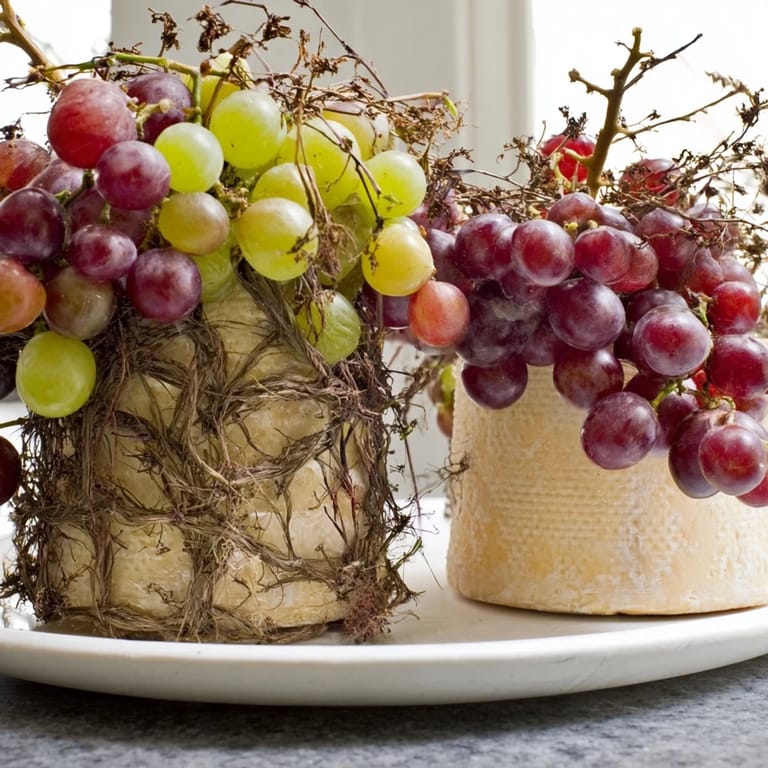
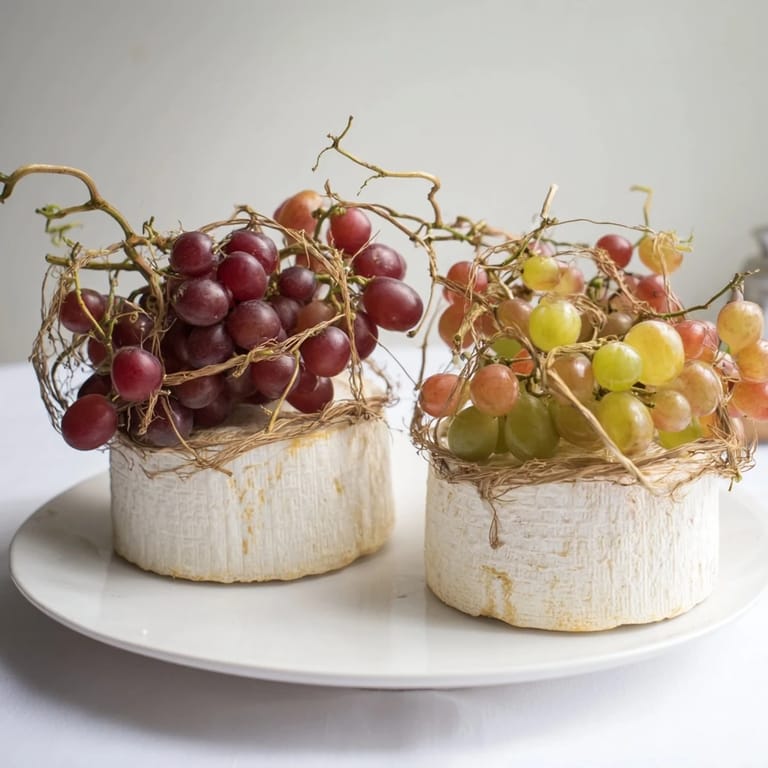
 There's something about a wooden board laden with cheese and vines that stops conversation entirely. I discovered this while visiting a small vineyard in Provence, watching the owner casually drape fresh grapevines across aged wheels of tomme like it was the most natural thing in the world. The way the leaves caught the afternoon light, the grapes clustered like edible garnish—it felt less like a cheese board and more like bringing a piece of the vineyard itself to the table. I've been recreating that moment ever since, and it never fails to make people pause before they eat.
I made this for my sister's engagement party last spring, and I watched people gravitating toward it all evening, picking at grapes and cheese like they were at a secret tasting. Someone asked if the vines were edible—they weren't, but that question made me realize how genuinely confused people get when food looks this artisanal. By the end of the night, both wheels were nearly gone, and I'd somehow become the person known for making pretty cheese boards.
Ingredients
- Young, rustic cheese wheels (2 large, about 1.5 kg each): Tomme, young pecorino, or farmhouse cheese work beautifully—look for wheels with that chalky, unfinished texture that tells you they're meant to breathe on a board.
- Fresh grapevine branches (3–4 long, untreated): This is non-negotiable: only use organic, pesticide-free vines, ideally with leaves still attached for that lush drape.
- Fresh grapes (500 g, red, green, or mixed): Keep them on the stem when possible; they anchor the composition and add both color and flavor.
- Baguette or rustic country bread: Sliced thick enough to hold up to cheese without crumbling.
- Assorted nuts (100 g—walnuts, almonds): These add texture and a gentle earthiness that complements the cheese.
- Dried fruits (100 g—figs, apricots): The sweetness creates that bridge between cheese, bread, and wine.
Tired of Takeout? 🥡
Get 10 meals you can make faster than delivery arrives. Seriously.
One email. No spam. Unsubscribe anytime.
Instructions
- Prepare your stage:
- Find a large wooden board or rustic platter—the more weathered and imperfect, the better. This isn't about pristine; it's about authenticity.
- Drape the vines with intention:
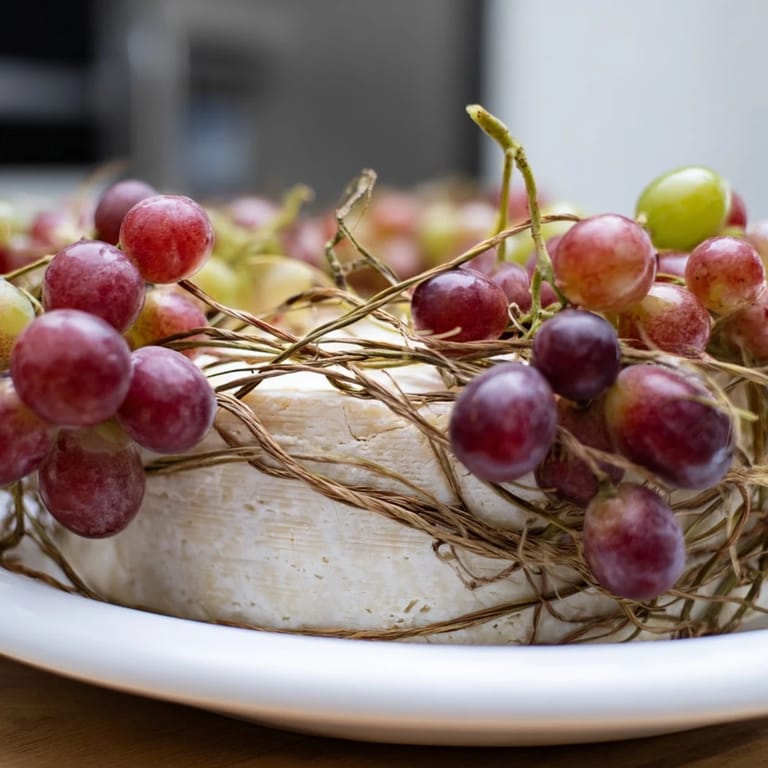
- Lay the grapevine branches over and around your cheese wheels, letting them fall naturally across the wood. Think of it less like decoration and more like you're framing a vineyard moment.
- Scatter the grapes:
- Tuck grape clusters among the vines and around the wheels where they'll catch light and look inviting. Don't overthink the placement—grapes are forgiving.
- Build around the edges:
- Arrange your bread slices, nuts, and dried fruits in small, informal piles around the cheese and vines, leaving some breathing room so the board doesn't feel crowded.
- Serve and let people discover:
- Bring it to the table at room temperature, maybe with a sharp cheese knife nearby, and watch how people instinctively know what to do.
 Save It
 I remember my grandmother asking why I bothered with the vines at all, why not just pile the cheese and be done with it. Then she saw the finished board and understood immediately—it wasn't about complication, it was about honoring where the food came from. She ate grapes and cheese off that board for an hour, barely saying a word, and that silence felt like the highest compliment.
Why Fresh Vines Matter More Than You'd Think
The grapevines do something beyond decoration; they're a flavor bridge. As you eat, your hands brush against the leaves, you smell that faint green earthiness, and it primes your palate for the cheese and fruit. I didn't understand this at first—I thought the vines were purely visual. But after my fifth or sixth board, I realized people who ate from a bare cheese platter experienced it differently than those who picked grapes off an actual vine. The sensory context changed everything.
Pairing with Wine and Other Drinks
Crisp white wines are your obvious partner—Sauvignon Blanc, Vermentino, unoaked Chardonnay. But I've had surprising success with light, fruit-forward reds, especially if they're slightly chilled. The key is matching the wine to the cheese's personality: younger, softer wheels want brightness; more tannic wheels want something with structure. If wine isn't the plan, sparkling cider or even a good sparkling water works; you're looking for something that cleanses the palate between bites.
Finishing Touches and Seasonal Variations
For extra richness, a light drizzle of local honey or good olive oil across the cheese wheels transforms the board into something more indulgent. I've also experimented with edible flowers—nasturtiums or borage blooms—scattered between the vines, which adds both color and a subtle peppery note. In winter, I swap dried fruits for candied citrus peel, which plays beautifully against aged cheese. The foundation stays the same, but the details shift with what's available and what mood you're setting.
- If you drizzle honey, do it just before serving so it doesn't seep into the board's wood and create a sticky situation.
- Fresh herb sprigs—thyme, rosemary—tucked among the vines add another layer of scent and earthiness.
- Keep a sharp knife nearby; people will want to cut cheese, and a dull blade turns an elegant moment awkward.
 Save It
 This isn't a recipe for when you're in a rush or when you need dinner on the table. It's for moments when you want to slow things down, when you're gathering people who deserve beauty on the table before they even taste anything. Make it, and then step back and watch what happens.
Common Questions About Recipes
- → What type of cheese works best for this dish?
Young, rustic cheeses like tomme, young pecorino, or farmhouse varieties are ideal due to their texture and mild flavor.
- → Can grape leaves be used instead of grapevine branches?
Yes, grape leaves can substitute grapevine branches if full vines are unavailable, still providing a natural vineyard aesthetic.
- → Is it necessary to use fresh grapevines untreated by pesticides?
Using organic, untreated grapevines ensures safety and maintains the fresh, natural aroma in the presentation.
- → What accompaniments pair well with the cheese and grapes?
Rustic bread, assorted nuts like walnuts or almonds, and dried fruits such as figs or apricots complement this dish beautifully.
- → How should this dish be served for best enjoyment?
Serve at room temperature to allow the cheese softness and grape freshness to shine. Pairing with crisp white or light red wines enhances the experience.