 Save It
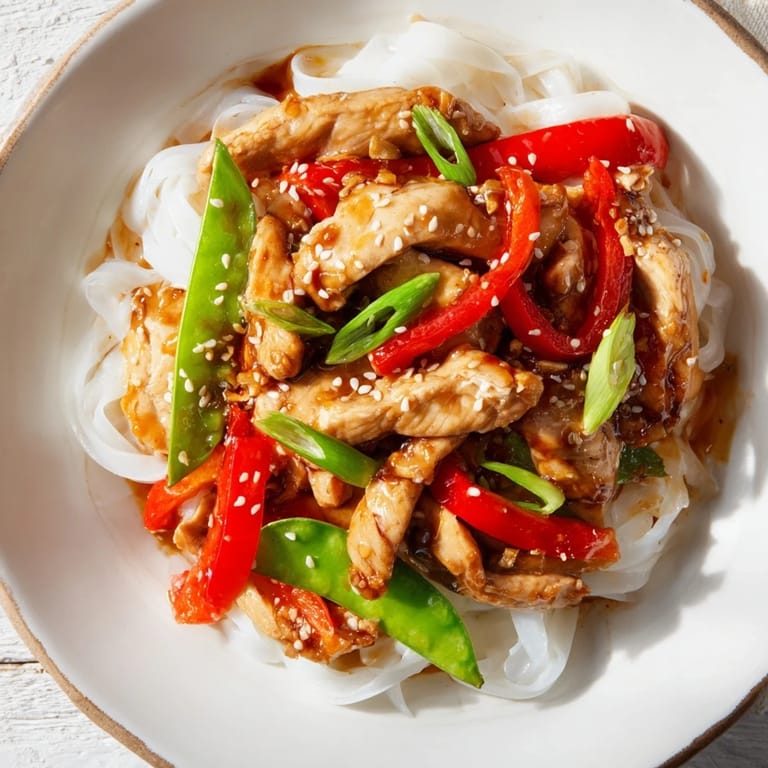
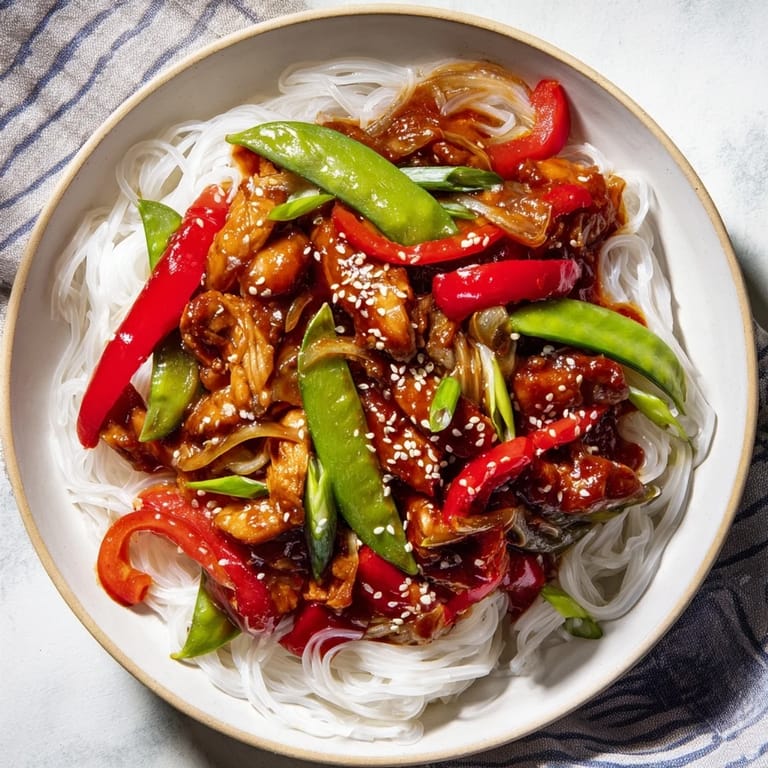
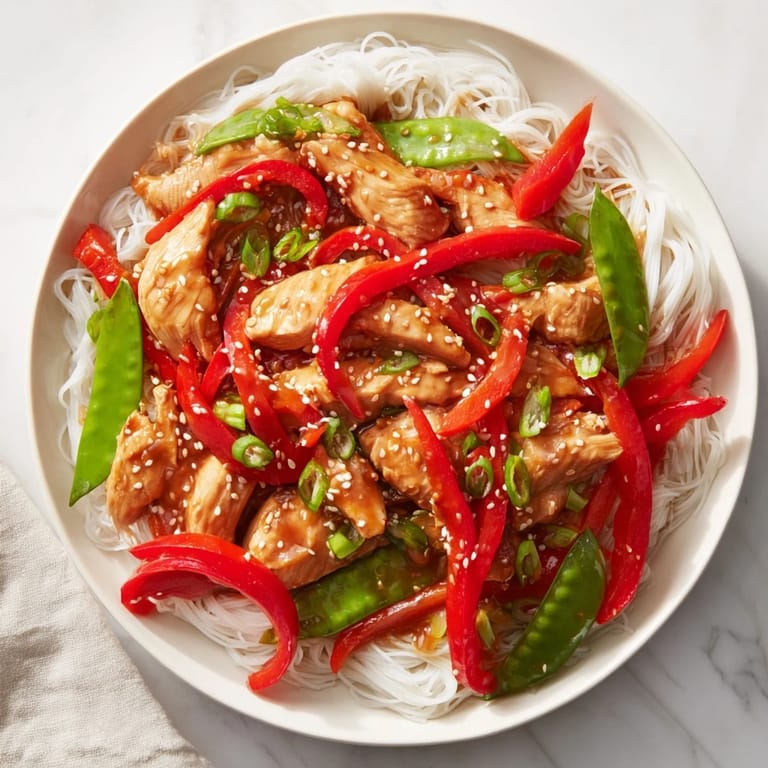
 There was a Tuesday night when I had a box of rice noodles sitting in the pantry and absolutely no plan for dinner. I grabbed some chicken from the fridge, remembered a sticky-sweet sauce my friend had raved about, and threw together what became this Mongolian chicken stir-fry. The kitchen filled with that unmistakable aroma of garlic and ginger hitting hot oil, and within twenty minutes I had something that tasted like I'd ordered it from a restaurant. It became the dish I make when I want bold flavor without the fuss.
I made this for a small group of friends once, and someone asked if I'd ordered takeout because they couldn't believe how restaurant-quality it felt. The noodles had that slight chew, the chicken was impossibly tender, and the sauce clung to everything just right. That moment of watching people's faces light up while they ate reminded me that the best meals are often the ones you throw together with confidence and a little bit of luck.
Ingredients
- Boneless, skinless chicken thighs or breasts (500 g): Thighs stay juicier and more forgiving than breasts, but either works if you slice them thinly and don't overcook them.
- Cornstarch (1 tbsp): This light coating seals in moisture and helps the chicken get those golden edges that catch the sauce.
- Soy sauce (4 tbsp): The backbone of the sauce, adding saltiness and umami depth that makes everything taste richer.
- Hoisin sauce (2 tbsp): This sweet bean paste is what gives the sauce its signature richness and that slightly spiced warmth.
- Brown sugar (2 tbsp): Goes into the sauce to balance the saltiness and create that signature Mongolian sweetness.
- Rice vinegar (1 tbsp): Adds brightness and cuts through the richness so the sauce doesn't feel heavy.
- Oyster sauce (1 tbsp, optional): If you use it, it deepens the umami and adds a subtle seafood undertone that makes people wonder what your secret ingredient is.
- Sesame oil (1 tsp): A small amount goes a long way, adding nutty aromatics that make the whole dish feel more sophisticated.
- Garlic and ginger (2 cloves and 1 tbsp): These minced aromatics hit the hot oil first and fill your kitchen with the smell that makes cooking worth doing.
- Red pepper flakes (1/2 tsp, optional): A gentle heat that builds in the background, letting you control the spice level to match your mood.
- Red bell pepper and snap peas: These vegetables stay crisp and add color and crunch that contrasts beautifully with the tender chicken.
- Spring onions (4): Some go into the sauce for flavor, more go on top for that fresh, sharp bite at the end.
- Rice noodles or leftover pasta (200 g dried or 3 cups cooked): The vehicle for the sauce, absorbing flavor and turning a simple stir-fry into a complete meal.
- Neutral oil (2 tbsp): Use something with a high smoke point so the chicken sears instead of steams.
- Toasted sesame seeds: The final garnish that adds a nutty crunch and makes the dish look like you put real effort in.
Tired of Takeout? 🥡
Get 10 meals you can make faster than delivery arrives. Seriously.
One email. No spam. Unsubscribe anytime.
Instructions
- Prepare your noodles:
- If using dried rice noodles, cook them according to the package and drain well so they don't clump together. If using leftover pasta, just have it ready at room temperature.
- Coat the chicken:
- Toss your thinly sliced chicken with cornstarch, salt, and pepper in a bowl, making sure every piece gets an even coating. This is what gives you that silky texture and helps it brown beautifully.
- Mix your sauce:
- Whisk together all the sauce ingredients in a small bowl, stirring until the brown sugar dissolves completely. Taste it straight up and adjust sweetness or heat to match what you're craving that day.
- Sear the chicken:
- Heat one tablespoon of oil in a wok or large skillet over medium-high heat until it shimmers, then spread the chicken in a single layer. Let it sit for a minute without stirring so it gets those golden edges, then stir and cook for another 3-4 minutes until it's cooked through. Transfer it to a plate.
- Cook the vegetables:
- Add the remaining oil to the pan and stir-fry the bell pepper and snap peas for 2-3 minutes, tossing often so they stay crisp and bright. You want them tender enough to bite easily but still with a slight snap.
- Bring it all together:
- Return the chicken to the pan, add the spring onions, and pour in that sauce you made. Stir everything constantly for about 1-2 minutes, watching as the sauce thickens slightly and coats every piece.
- Add the noodles:
- Toss in your cooked noodles and keep stirring for another minute or two, making sure they're warm and every strand gets a gloss of that glossy sauce.
- Finish and serve:
- Pile everything into bowls while it's still steaming, then scatter extra spring onions and toasted sesame seeds over the top for texture and color.
 Save It
 One evening I made this for my partner when they'd had a brutal day at work, and they ate it so quickly and contentedly that they barely looked up from the bowl. That's when I realized this dish had stopped being something I made because it was easy and had become something I made to show someone I was thinking of them. Food like that matters more than the recipe itself.
The Secret to Restaurant-Quality Stir-Fry
The difference between a home stir-fry and one that feels like takeout is temperature and patience. Your wok or skillet needs to be genuinely hot before anything hits the pan—if it's not, the chicken will release moisture and steam instead of searing. I learned this after making countless watery stir-fries and finally watching someone who knew what they were doing actually wait for the pan to smoke slightly before adding oil. Once you commit to high heat and stop moving things around constantly, everything changes.
Making It Your Own
This recipe is forgiving in the best way because the sauce is so flavorful that you can swap out almost any protein or vegetable without it falling apart. I've made it with tofu on nights when I wanted something lighter, with shrimp when I felt like splurging, and with whatever vegetables I found in the crisper drawer. The core technique and sauce stay the same, so once you understand how this works, you can improvise endlessly.
Pairing and Storage Tips
This dish works wonderfully on its own, but if you want to pair it with something, a crisp white wine like Riesling cuts through the sweetness beautifully. Leftovers keep for three days in the fridge and actually taste even better after a day when the flavors have melded, though the noodles will absorb more sauce so you might need to add a splash of water when you reheat. The best part about this being easy to make is that you'll find yourself reaching for it again and again.
- Store everything in an airtight container and reheat gently in a wok or skillet rather than the microwave.
- If the sauce seems too thick when you reheat, a tablespoon of water loosens it right up.
- You can prep all your vegetables and the sauce the night before, making the actual cooking happen in just fifteen minutes.
 Save It
 This is the kind of dish that proves you don't need complicated techniques or an endless ingredient list to make something that tastes like you actually know what you're doing. Make it this week.
Common Questions About Recipes
- → What noodles work best for this dish?
Soft rice noodles are traditional and absorb the sauce well, but leftover cooked pasta can be used for convenience.
- → Can I substitute the chicken with another protein?
Yes, tofu or shrimp are excellent alternatives that complement the rich Mongolian-style sauce beautifully.
- → How can I adjust the spice level?
Control heat by modifying or omitting crushed red pepper flakes according to your taste preferences.
- → What vegetables pair well in this stir-fry?
Bell peppers, snap peas, and spring onions provide a crisp, fresh texture; water chestnuts or baby corn add extra crunch.
- → How do I prevent noodles from sticking?
After cooking, rinse rice noodles with cold water and toss with a little oil to keep them separate before adding to the stir-fry.