 Save It
 The first time I attempted an apple lattice, I was convinced it would be impossible—all those thin slices, the precise weaving, the sheer fragility of it all. But then I tasted one at a quiet dinner party in October, and something clicked. The apples were golden and tender, the walnuts beneath them grounded everything in richness, and that honey made it feel almost sacred. I went home determined to figure out how to make it, and after a few tries (and plenty of crooked lattices), I finally understood: it's not about perfection, it's about patience and a sharp knife.
I remember making this for my sister's book club last November, and honestly, I was nervous—seven women I didn't know very well, and I was serving them something I'd only made twice before. But when that tart came out of the oven and I set it on the table, everyone went quiet for a moment. Not because it was perfect, but because it was beautiful in this unpretentious way, and somehow that made all the difference. That's when I realized this dessert works its own kind of magic.
Ingredients
- All-purpose flour (1 1/4 cups): The foundation of a tender crust; I always keep mine in the freezer for this reason, so the butter stays cold and creates those flaky layers.
- Unsalted butter, cold and cubed (1/2 cup): This is non-negotiable—cold butter is what gives you that shatteringly crisp crust that melts on your tongue.
- Granulated sugar for crust (2 tbsp): Just enough sweetness to balance the filling without making the crust taste like candy.
- Salt (1/4 tsp): A whisper of it brings out everything else; don't skip this.
- Ice water (3–4 tbsp): Add it slowly and sparingly—this is where most people overwork their dough.
- Walnuts, chopped (1 cup): The anchor of the filling, adding earthiness and texture that apples alone could never provide.
- Honey (1/4 cup): This mellows the walnuts and creates a subtle glue that holds everything together.
- Light brown sugar (2 tbsp): Adds a faint molasses note that makes the whole thing taste more complex.
- Ground cinnamon (1/2 tsp for filling, 1/2 tsp for apples): The spice that whispers autumn into every bite.
- Firm apples like Honeycrisp or Granny Smith (3 large): The tart cuts through the sweetness and holds its shape when sliced thin.
- Lemon juice (1 tbsp): Prevents browning and brightens the apple flavor; use fresh, never the bottled stuff.
Tired of Takeout? 🥡
Get 10 meals you can make faster than delivery arrives. Seriously.
One email. No spam. Unsubscribe anytime.
Instructions
- Preheat and prepare:
- Set your oven to 375°F and grease your tart pan well—this is your stage, so make sure it's ready.
- Build the crust:
- Mix flour, sugar, and salt, then cut in those cold butter cubes until it looks like coarse breadcrumbs. Add ice water one tablespoon at a time, gently mixing until the dough just barely comes together; you want to hear it whisper, not shout. Press it into the pan, prick the bottom with a fork, and chill for 15 minutes while you gather yourself.
- Blind bake the foundation:
- Line your crust with parchment, weight it down with pie weights or beans, and bake for 12 minutes until the edges just start to turn pale gold. Remove the weights and parchment, give it another 5 minutes, then let it cool while you work on the filling.
- Make the filling layer:
- Toss walnuts with honey, brown sugar, cinnamon, and salt until every piece is lightly coated. Spread this over your cooled crust like you're tucking it in for a long sleep.
- Slice the apples:
- Peel them if you prefer a refined look (I do), core them carefully, then slice as thin as you can manage—1/8 inch is the sweet spot, thin enough to weave but sturdy enough to handle. Toss with lemon juice, sugar, and cinnamon as soon as they're sliced.
- Weave the lattice:
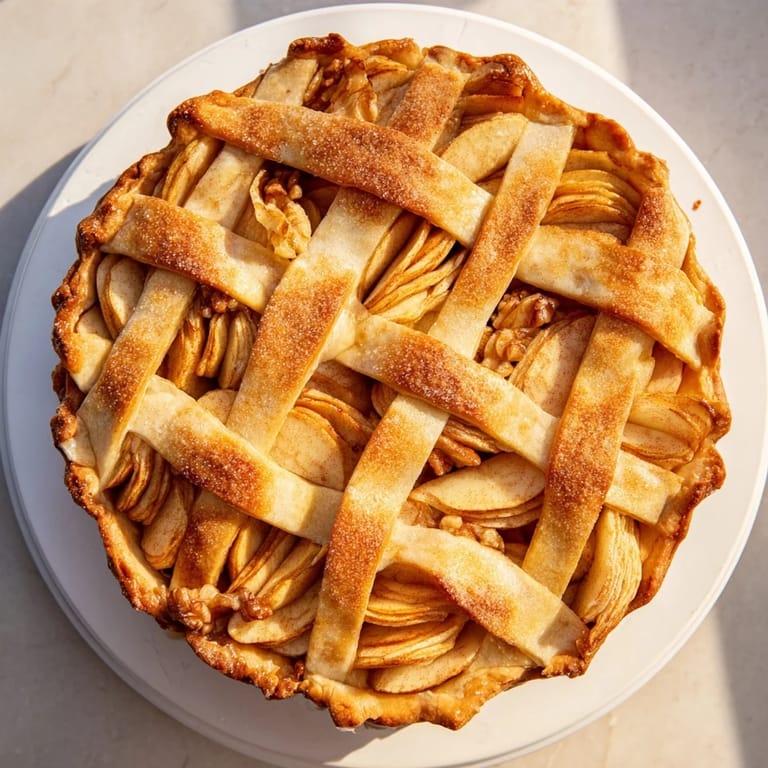
- Lay half your apple slices on parchment in parallel rows, slightly overlapping like roof shingles. Then, starting from the side, weave the remaining slices over and under, rotating each row as you go; it's meditative work, almost like braiding. Transfer the whole thing carefully onto your tart, trim the wild edges, and take a breath—you've just made something beautiful.
- Bake until golden:
- Cover loosely with foil and bake for 20 minutes, then remove the foil and bake another 10–15 minutes until the apples are tender and the edges have turned a deeper gold. Let it cool for at least 20 minutes before you slice it.
- Serve with grace:
- A drizzle of extra honey, maybe a scoop of vanilla ice cream if you're feeling generous, and watch people's faces light up.
 Save It
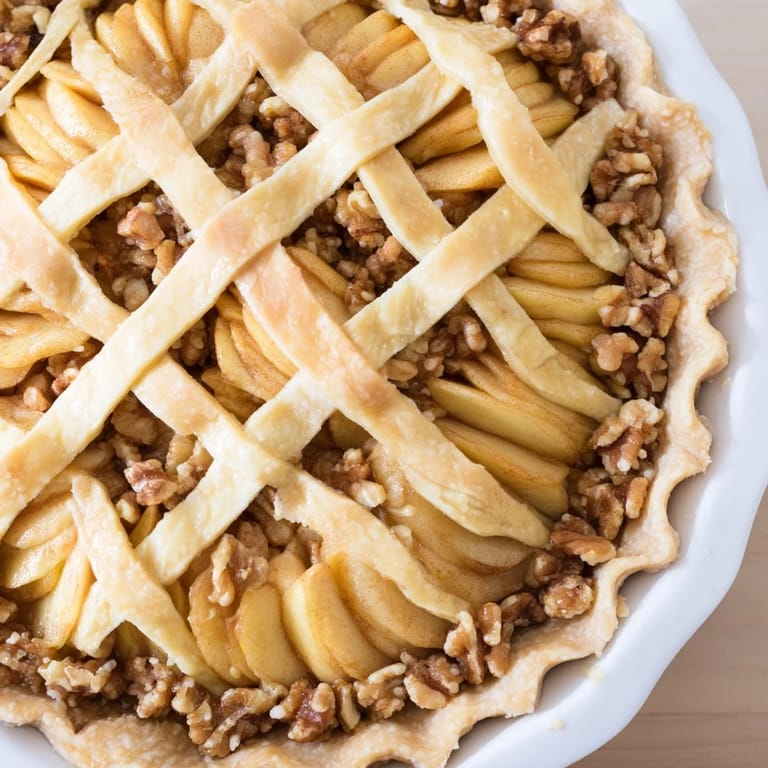
 There was this moment, maybe two minutes after I pulled the tart from the oven, when steam was still rising from the golden lattice and my kitchen smelled like cinnamon and caramelized honey. My husband walked in, stopped mid-sentence, and just stared. That's when I understood that food like this—the kind that requires time and care and a little bit of precision—it becomes a gesture. It says, "I thought of you."
The Right Apples Make All the Difference
I spent one season stubbornly using whatever apples were on sale, and every single tart came out mediocre. The slices wouldn't hold their shape, they'd turn mushy, and the whole thing felt deflated. Then I switched to Honeycrisp and Granny Smith—apples with backbone, with complexity—and suddenly everything clicked. The trick is choosing fruit that's firm enough to slice thin without falling apart, but tart enough that it doesn't cloy against all that honey. Once you find your apple, stick with it; consistency is a kind of love language in the kitchen.
Why the Lattice Works Beyond Aesthetics
I thought the lattice was purely for show until I actually paid attention to what it does. Those gaps let the apples release their moisture without steaming themselves into mush, and they allow the heat to reach the walnuts below so they stay nutty and toasted instead of getting soggy. The weaving also slows you down—forces you to be intentional in a way that rushed food never is. By the time you're done, you've become invested in this dessert in a way that transcends the ingredients.
Scaling and Serving Suggestions
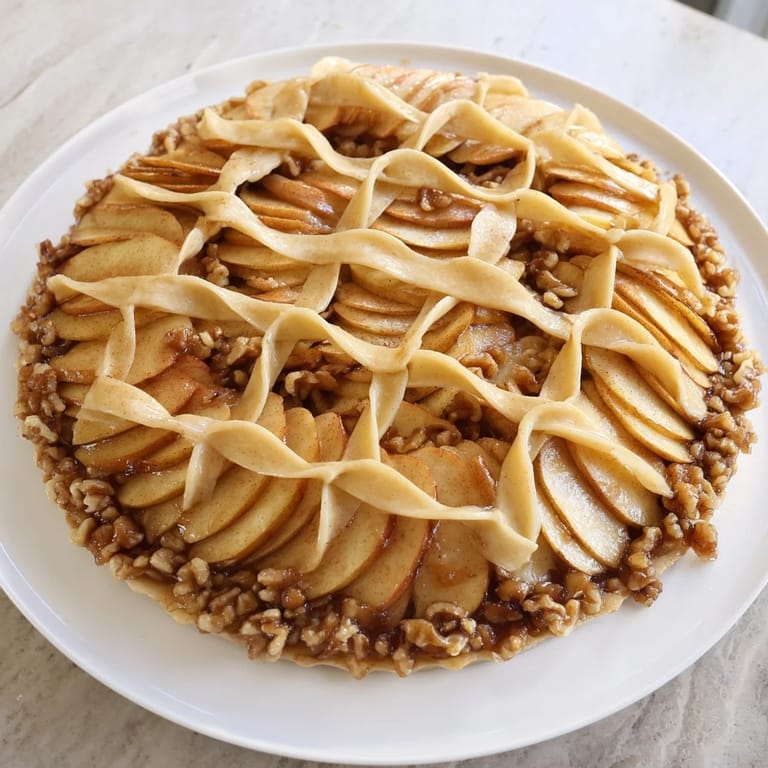
This tart is endlessly adaptable, which is part of why I love it. Too many walnuts in your house and not enough apples? Adjust the ratio—the honey holds it all together anyway. Pecans instead of walnuts? They bring a buttery sweetness that's almost fancier, if you're feeling that way. Serve it warm with vanilla ice cream on a cold evening, or at room temperature with just a fork and good company. It's equally at home at a formal dinner and a casual Tuesday night when you want to feel like you made something special.
- Try a spritz of apricot jam warmed and brushed over the lattice right after baking for extra shine and a subtle fruit note.
- If gluten-free baking is your world, a 1:1 blend works beautifully here without needing any adjustments.
- The leftovers taste even better the next day, which means you can actually enjoy the first slice guilt-free.
 Save It
 This tart has become my go-to when I want to mark an occasion without making it obvious that I care. It's the kind of dessert that tastes like you spent hours in the kitchen, even though you didn't, and it always—always—brings people back for seconds.
Common Questions About Recipes
- → What type of apples work best for the lattice?
Firm, sweet-tart apples like Honeycrisp or Granny Smith hold their shape well and balance sweetness with acidity.
- → Can I substitute walnuts with other nuts?
Pecans are a great alternative, offering a slightly sweeter and buttery flavor that complements the apples.
- → How do I create the lattice pattern with apple slices?
Lay half the apple slices in parallel rows slightly overlapping, then weave the remaining slices over and under to form a woven lattice.
- → Is it necessary to blind bake the crust?
Blind baking ensures the crust stays crisp and doesn’t become soggy from the filling, giving a firmer base.
- → What can I use to add extra shine to the lattice top?
Brushing the baked lattice with warmed apricot jam adds a beautiful gloss and enhances flavor.