 Save It
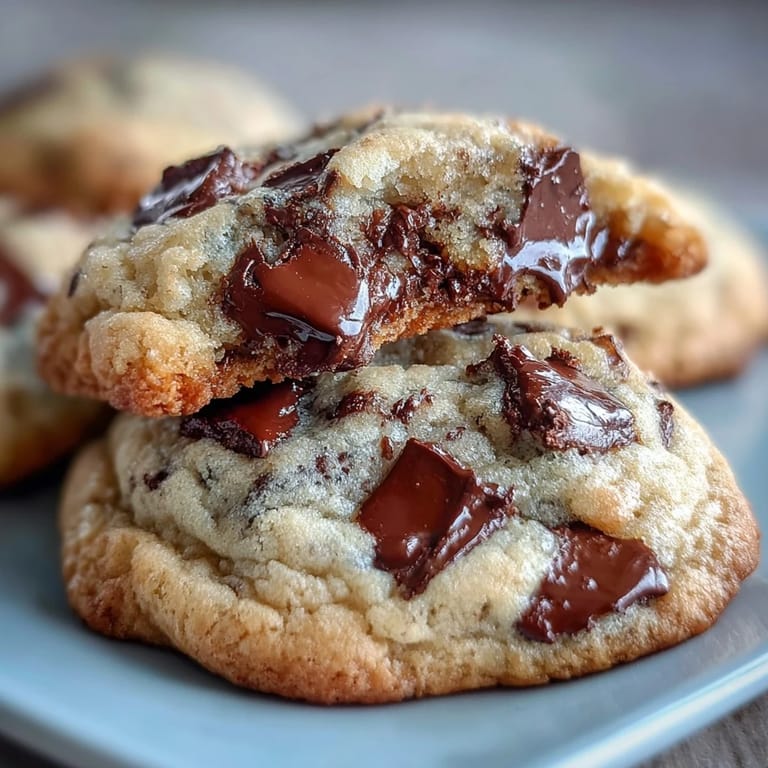
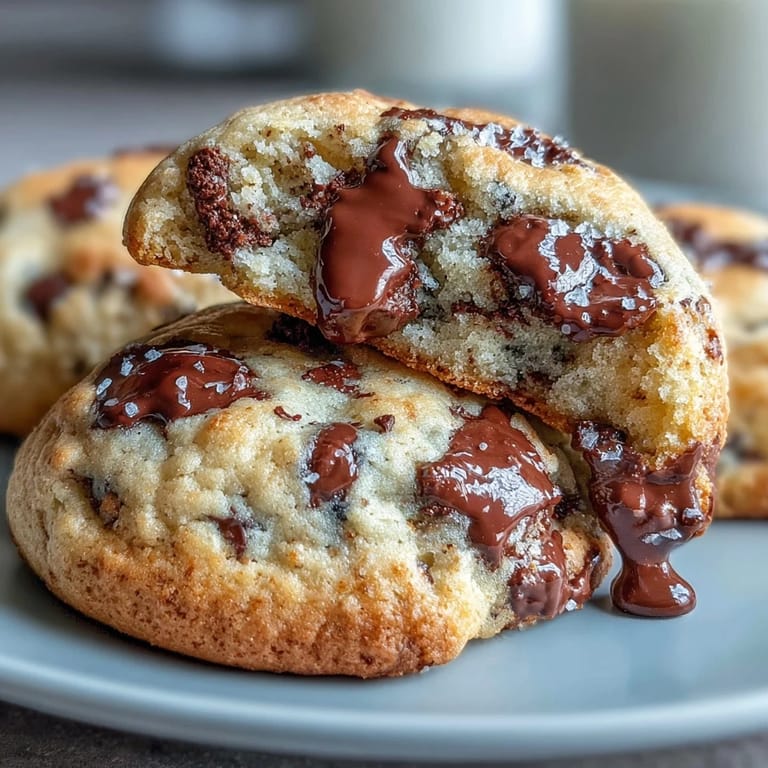
 My kitchen smelled like warm butter and vanilla the afternoon my neighbor mentioned she'd given up eggs for a month as an experiment. I thought, why not meet her halfway with these yogurt cookies? The first batch came out impossibly soft, almost pillowy, and she ate four before the cooling rack was even half empty. That's when I knew Greek yogurt wasn't just a breakfast thing—it was a secret weapon for cookies that felt indulgent without any eggs in sight.
I brought a batch to a book club meeting where everyone was supposed to bring store-bought snacks, and I'll never forget the moment someone bit into one and said, 'Wait, these are homemade?' That small reaction made me realize these cookies had something special—they tasted fancy but felt completely approachable.
Ingredients
- Unsalted butter, room temperature: Room temperature is crucial because it creams better with sugar, creating that light and airy base that makes cookies tender.
- Granulated sugar: This dissolves quickly and helps create a crispy-edged cookie.
- Light brown sugar, packed: Brown sugar adds moisture and a subtle molasses depth that makes these cookies stay chewy for days.
- Plain Greek yogurt: Use full-fat if you can find it—it makes the dough richer and less likely to dry out during baking.
- Vanilla extract: Two teaspoons might sound like a lot, but it balances the yogurt's tang beautifully.
- All-purpose flour: Don't sift unless your flour is really compacted; just spoon and level for the right measurement.
- Baking soda: This reacts with the yogurt's acidity to help the cookies rise and spread just right.
- Salt: A pinch brings out all the chocolate flavor and keeps things from tasting one-dimensional.
- Semi-sweet chocolate chips: Use a brand you actually like eating straight from the bag—you'll taste the difference in every bite.
Tired of Takeout? 🥡
Get 10 meals you can make faster than delivery arrives. Seriously.
One email. No spam. Unsubscribe anytime.
Instructions
- Heat your oven and prep your pans:
- Get your oven to 375°F and line your baking sheets with parchment paper while it preheats. This five-minute head start makes everything move faster when you're ready to bake.
- Cream the butter and sugars:
- Beat them together for about two minutes until the mixture looks pale and fluffy, almost cloud-like. You're basically whipping air into the butter, which creates lift in your cookies.
- Add the yogurt and vanilla:
- Stir these in until the dough looks smooth and cohesive. Don't overmix—just until you can't see any streaks of yogurt.
- Whisk the dry ingredients separately:
- In another bowl, whisk together the flour, baking soda, and salt. This distributes the leavening evenly so every cookie rises at the same rate.
- Gently combine wet and dry:
- Add the dry mix to the wet mix and fold gently with a spatula, stirring until just barely combined. The dough will be sticky and that's exactly what you want—it bakes into chewy cookies.
- Fold in the chocolate chips:
- Use a gentle hand here so you don't overwork the dough. Just fold them in until distributed, then you're done mixing.
- Scoop and space:
- Drop rounded tablespoons onto your prepared sheets, leaving about two inches between each cookie. They'll spread as they bake, and tight spacing means crispy edges instead of chewy ones.
- Bake until golden:
- Nine to twelve minutes is your window—pull them out when the edges are golden brown but the centers still look slightly underbaked. They continue cooking on the hot sheet.
- Cool with patience:
- Leave them on the baking sheet for ten minutes so they set up, then transfer to a wire rack. This two-step cooling is what keeps them chewy instead of hard.
 Save It
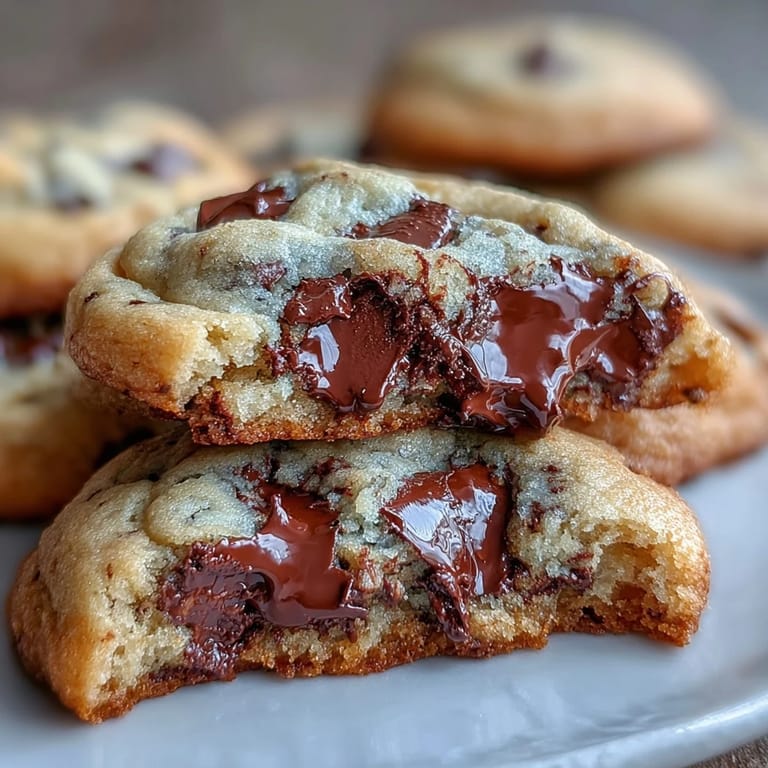
 One winter morning, my daughter dunked one of these in her hot chocolate and came back with the biggest smile, asking if I could 'make the yogurt cookies again tomorrow.' That's the moment I understood these weren't just a substitute for egg-based cookies—they were becoming their own thing, loved for exactly what they were.
Why Greek Yogurt Changes Everything
Greek yogurt does something magic in baking that most people don't realize until they taste it. The thickness and tanginess create moisture without heaviness, and the slight sour note plays against sweet chocolate in a way that feels almost gourmet. It also means you can skip eggs entirely and still get structure, which opens up possibilities for anyone avoiding them.
Storage and Keeping Quality
These cookies stay soft for three to four days in an airtight container, which honestly makes them perfect for meal prepping or gift-giving. I've left them out on the counter and in the fridge, and both ways work fine—room temperature keeps them chewier, while a cool spot firms them up slightly without drying them out. The brown sugar in the dough helps them retain moisture longer than most cookies would.
Ways to Make Them Your Own
The beauty of this base recipe is how open it is to variation. I've added everything from cinnamon to crushed pretzels, and each addition just makes people ask what's different. Some days I'll chop up dark chocolate and white chocolate chips together, or swirl in a tiny bit of peanut butter.
- A quarter teaspoon of cinnamon in the dry ingredients adds warmth without making them taste like cinnamon rolls.
- Chopped nuts, dried fruit, or even a sprinkle of sea salt on top before baking makes each batch feel special.
- If you're feeling fancy, a few white chocolate chips mixed with the semi-sweet creates a beautiful flavor balance.
 Save It
 These cookies remind me why I love baking at home—not because they're complicated, but because they're simple enough to make on a Tuesday and special enough to share on a Sunday. Once you taste how soft and real they are, you'll keep coming back to them.
Common Questions About Recipes
- → Can I use regular yogurt instead of Greek yogurt?
Absolutely. Regular plain yogurt works perfectly in this dough, though you may need slightly more flour since regular yogurt contains more water than Greek varieties. Start with the same amount and add flour one tablespoon at a time if the dough feels too sticky to scoop.
- → Why use yogurt in cookies?
Greek yogurt replaces eggs while adding moisture and creating a tender, soft texture. The acidity also interacts with baking soda for subtle lift. You'll notice these cookies stay softer longer than traditional versions and have a pleasant richness without feeling heavy.
- → How do I know when the cookies are done baking?
Look for lightly golden edges while centers should still appear slightly underbaked and soft. The cookies continue setting on the hot baking sheet during the 10-minute cooling period. Removing them when edges just start turning golden yields perfectly chewy results.
- → Can I freeze the cookie dough?
Yes. Scoop dough onto a parchment-lined baking sheet and freeze until solid, then transfer to a freezer bag. Bake from frozen, adding 1-2 minutes to the baking time. Alternatively, freeze already baked cookies in layers separated by parchment for up to 3 months.
- → What other mix-ins can I add?
Try chopped walnuts or pecans for crunch, white chocolate chips for sweetness contrast, or dried cherries for tartness. A teaspoon of cinnamon or nutmeg enhances warmth. For chocolate lovers, swap semi-sweet chips for dark chocolate chunks or milk chocolate morsels.