 Save It
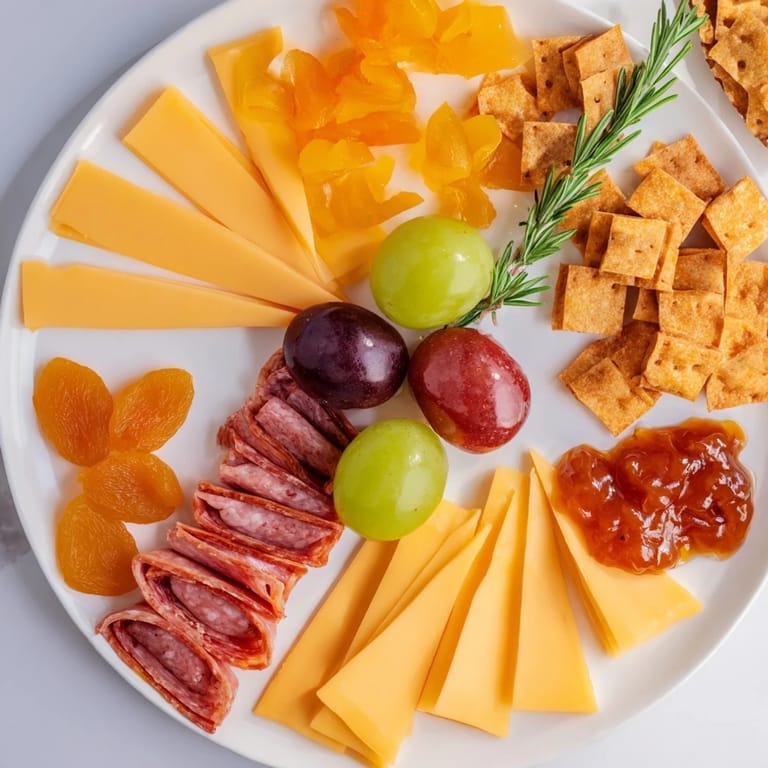
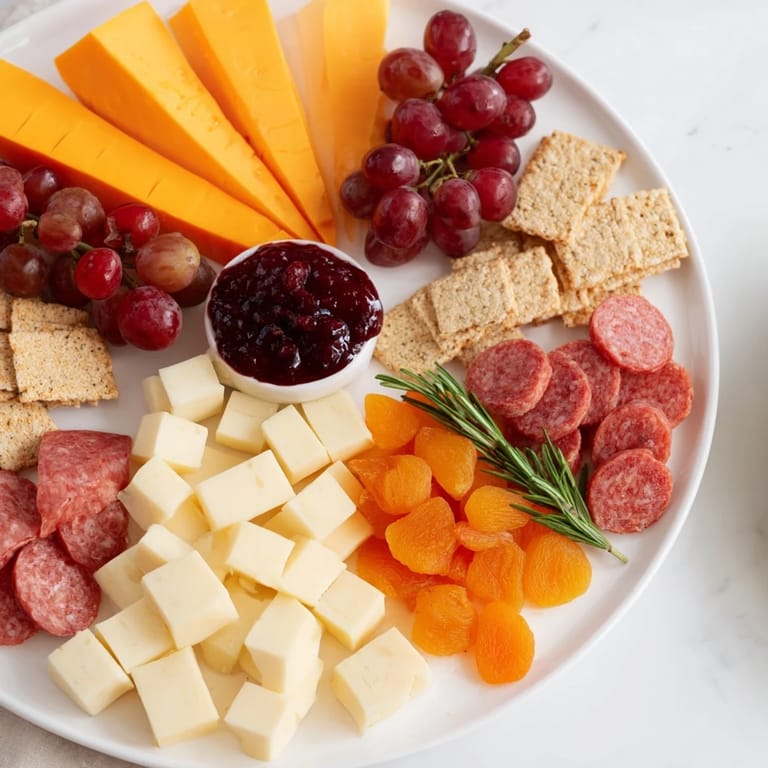
 My friend Sarah called me panicked the morning of her gallery opening, asking if I could whip up something impressive for the evening crowd. I'd just been watching a documentary about geometric art, and suddenly it clicked: a charcuterie board where every element became a shape, not just food. Triangles and rhombuses scattered like a carefully composed painting. When guests arrived and saw it, someone actually gasped, then started photographing it before touching anything. That's when I knew I'd stumbled onto something special.
I've learned that presentation can completely change how people experience food, even with the same ingredients. There's something about the geometric precision that made everyone approach the board differently—they lingered, they admired before eating, they took photos. It turned a simple appetizer into an event.
Ingredients
- Manchego cheese: This Spanish cheese has just enough firmness to hold clean cuts without crumbling, and its nutty flavor feels upscale without being pretentious.
- Aged cheddar: Sharp and crisp, it cuts beautifully into shapes and brings a familiar comfort that balances the fancier cheeses.
- Brie: Chill it well before slicing, otherwise it softens and loses its shape—something I discovered the hard way on my first attempt.
- Gruyère: The subtle sweetness and firm texture make it perfect for the rhombus cuts, adding complexity to the board.
- Prosciutto: Fold it gently to create triangles, or trim it with a steady hand; the delicate saltiness is what keeps people reaching back.
- Soppressata: Cut into rhombuses to echo the cheese shapes, its peppery edge cuts through the richness of the board.
- Chorizo: Slice diagonally and trim into shapes; it adds warmth and color that makes the whole board pop visually.
- Seedless grapes: Keep them in loose clusters rather than arranging individually—they feel more natural and give the eye places to rest.
- Dried apricots: Cut some into diagonal pieces to match your theme, but leave a few whole so textures aren't all uniform.
- Marcona almonds: Their buttery, almost sweet quality bridges the salty meats and soft cheeses beautifully.
- Fig jam: A small bowl placed strategically creates visual breaks and gives people something creamy to pair with hard cheeses.
- Gluten-free seed crackers: Breaking them into triangles keeps the visual theme while giving people something to anchor their bites.
- Fresh herbs: Rosemary especially looks architectural and smells incredible, turning garnish into part of the experience.
Tired of Takeout? 🥡
Get 10 meals you can make faster than delivery arrives. Seriously.
One email. No spam. Unsubscribe anytime.
Instructions
- Lay out your canvas:
- Pull out your largest board or platter and take a moment to visualize where warm and cool colors will balance. I like to imagine invisible lines running diagonally to guide my placement.
- Cut with intention:
- Use a sharp chef's knife and make each cut deliberate—rushing leads to uneven shapes that catch the light differently. Wipe the blade clean between cuts for crisp edges, especially with soft cheeses.
- Build a rhythm:
- Alternate between triangles and rhombuses as you arrange, letting shapes dance across the board rather than clustering them in one corner. Step back frequently to see how the negative space is filling.
- Cluster the delicate elements:
- Group grapes in small handfuls and arrange dried apricots in loose lines—they're the punctuation marks that let other flavors breathe.
- Fill strategically:
- Scatter almonds in gaps where color and visual interest dip, treating them like final brushstrokes on a painting.
- Add the jam:
- A small dish of fig jam placed off-center creates depth and gives people something creamy to reach for with their crackers and harder cheeses.
- Finish with green:
- Tuck sprigs of rosemary or thyme between elements just before serving, adding height and that fresh herbal aroma that makes people lean in.
 Save It
 The best moment came when Sarah's boss picked up one of the triangular pieces of Manchego, commented on how beautiful it looked, then paused mid-bite to really taste it. That's when I realized the geometry wasn't about being precious—it was about making people slow down and actually pay attention.
Timing and Preparation
Twenty-five minutes sounds quick, but that's because there's zero cooking involved. What you're really managing is precision and presentation. I like to cut and arrange everything about an hour before guests arrive so the cheese can maintain its shape and the flavors can settle. If you're doing this the night before, keep everything wrapped separately and assemble fresh the next day, which actually makes the morning feel less rushed.
Substitutions and Personal Touches
The beauty of this board is that it adapts to whatever cheeses you love or have available. Swap aged cheddar for a good gouda, or trade the Gruyère for aged goat cheese if you're feeling different. The rule is simple: choose cheeses firm enough to hold their cut shape, and always taste as you go so you understand what flavors are balancing each other. Cured meats are equally flexible—bresaola, capicola, even thinly sliced duck prosciutto will work if you cut them into the right shapes.
Serving and Pairing Ideas
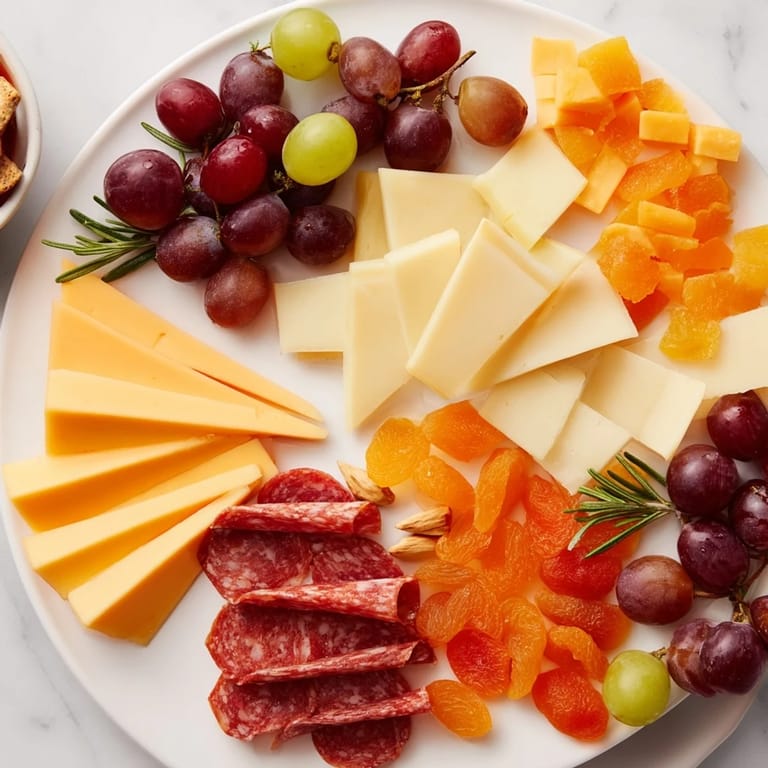
I've found that the geometric presentation actually makes people serve themselves more carefully, which is refreshing. It's perfect for gallery openings, dinner parties before a main course, or any moment when you want food that's conversation-starting. Wine-wise, crisp whites like Sauvignon Blanc or a dry rosé are your friends here—the acidity cuts through the richness of cheese and cured meat beautifully. If you're not a wine person, sparkling cider works equally well and keeps the celebratory feeling alive.
- Arrange the board no more than an hour before serving so edges stay crisp and shapes maintain their integrity.
- If pieces soften slightly, don't panic—just refresh the board 30 minutes before people arrive and let them chill again.
- Keep a small note card nearby listing what each cheese or meat is, because people always ask and it adds a thoughtful touch.
 Save It
 There's something magical about feeding people with intentionality, and this board does exactly that. Make it and watch how your guests experience food differently when it's beautiful.
Common Questions About Recipes
- → What types of cheeses are best for shaping into geometric pieces?
Firm cheeses like Manchego, aged cheddar, and Gruyère hold their shape well when cut into triangles or rhombuses, providing clean edges and a pleasing texture.
- → How can I cut cured meats into geometric shapes without tearing?
Use a sharp chef’s or cheese knife to slice thin, firm sections carefully. Folding thin slices like prosciutto into triangles also helps maintain shape without damage.
- → What accompaniments pair well with a geometric cheese and meat board?
Complementary items include seedless grapes, dried apricots cut into matchsticks, Marcona almonds, and fig jam, which enhance both flavor and visual appeal.
- → Are gluten-free seed crackers suitable for this board?
Yes, gluten-free seed crackers broken into triangular pieces align well with the geometric theme and add a crunchy texture without gluten concerns.
- → How should the platter be garnished for the best presentation?
Fresh sprigs of rosemary or thyme add a pop of greenery and aromatic notes that complement the cheeses and meats while enhancing overall aesthetics.
- → Can other cured meats be used while maintaining the geometric theme?
Absolutely. Meats like bresaola or coppa can be sliced or folded into triangles and rhombuses, preserving the board’s modern visual style.