 Save It
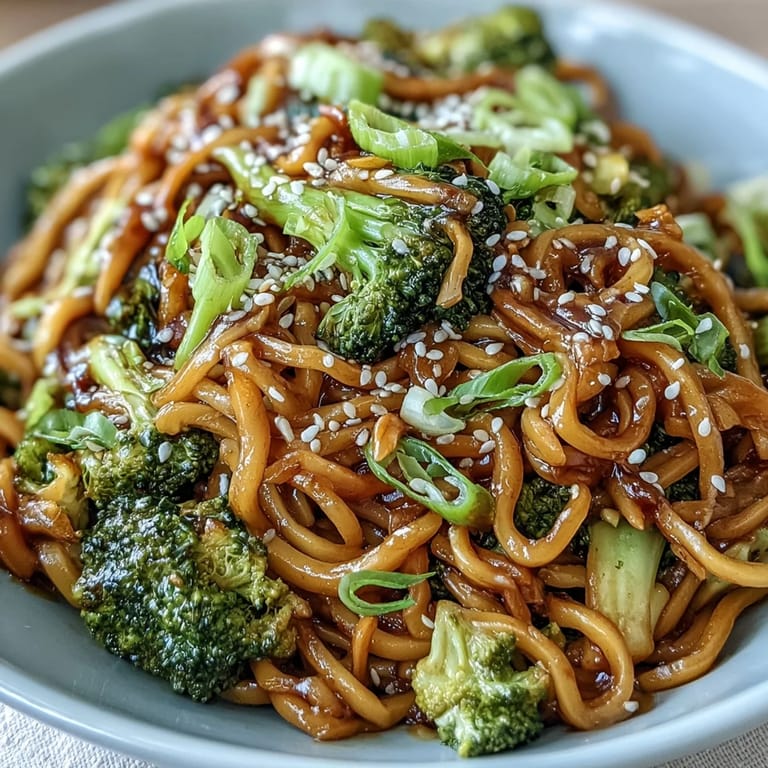
 There's something about the smell of sesame oil hitting a hot wok that makes everything feel intentional. I discovered this teriyaki noodle bowl on a Tuesday night when I had nothing but pantry staples and a craving for something that tasted like takeout but came from my own kitchen. The first time the sauce thickened just right, glossy and clinging to the noodles like it was meant to be there, I knew I'd stumbled onto something worth keeping around. It's become one of those meals I make when I want to feel like I'm treating myself without any fuss.
I made this for my sister last month when she dropped by unexpectedly around dinnertime. She watched from the kitchen counter as I julienned carrots and whisked together the sauce, skeptical at first that something this quick could possibly taste good. By the time we sat down with steaming bowls, she was already planning to make it herself, asking where I kept the sesame seeds and if mirin was something worth buying. That moment made me realize how a simple bowl of noodles can shift from lonely dinner to shared experience.
Ingredients
- Egg noodles: Three hundred grams is enough to feed four people without anyone leaving the table hungry, and they cook in minutes while still holding onto sauce beautifully.
- Broccoli florets: Two cups give you substance and a fresh pop when you want it, and they stay crisp if you don't overcook them even a little.
- Carrots, julienned: Two medium ones add sweetness and crunch, and the thin cuts mean they cook through in the same time as the broccoli.
- Green onions: Slice two and use them both in the bowl and as garnish so you get that sharp onion bite fresh and cooked.
- Soy sauce: A quarter cup is the backbone of your sauce, bringing depth that makes everything taste intentional.
- Mirin: Two tablespoons of this Japanese rice wine add a gentle sweetness that honey alone can't quite replicate, though you can use dry sherry if you're in a pinch.
- Honey or maple syrup: Two tablespoons round out the sauce with a smooth sweetness that caramelizes slightly when it hits the hot noodles.
- Rice vinegar: One tablespoon cuts through the richness with brightness that keeps the sauce from feeling heavy.
- Brown sugar: Just one tablespoon because you're layering sweetness, not overpowering it.
- Sesame oil: Two teaspoons is enough to make you smell like you know what you're doing in the kitchen without drowning everything.
- Garlic, minced: Two cloves bring warmth and savory depth that makes people wonder what secret ingredient you used.
- Fresh ginger, grated: One teaspoon adds a gentle heat and brightness that balances the sweetness perfectly.
- Cornstarch slurry: One tablespoon cornstarch mixed with two tablespoons water thickens the sauce to coat the noodles instead of pooling at the bottom of the bowl.
- Toasted sesame seeds: Two tablespoons for garnish, plus extra green onions because visual appeal and that final crunch matter.
Tired of Takeout? 🥡
Get 10 meals you can make faster than delivery arrives. Seriously.
One email. No spam. Unsubscribe anytime.
Instructions
- Cook the noodles:
- Fill a large pot with salted water and bring it to a rolling boil, then add the egg noodles and cook according to package instructions until they're tender but still have a slight bite. Drain them through a strainer and rinse under cold water so they don't stick together, then set them aside while you move on.
- Prepare the vegetables:
- Steam or blanch the broccoli florets and julienned carrots in a separate pot of boiling water for just two to three minutes until they soften slightly but still have a satisfying crunch. You want them tender enough to blend into the bowl but firm enough that biting into one feels like an event.
- Build the sauce:
- In a small saucepan over medium heat, combine the soy sauce, mirin, honey, rice vinegar, brown sugar, sesame oil, minced garlic, and grated ginger, stirring gently until everything dissolves into a cohesive liquid. When it reaches a gentle simmer, you'll notice the aroma shift as the garlic and ginger wake up.
- Thicken to perfection:
- Pour in your cornstarch slurry and stir constantly for one to two minutes as the sauce transforms from thin to glossy and clinging, coating the back of a spoon. You'll see it go from translucent to opaque, which is exactly when you know it's done.
- Bring it all together:
- In a large wok or skillet over medium-high heat, toss the cooked noodles, broccoli, carrots, green onions, and teriyaki sauce together, stirring until everything is coated and heated through. The noodles will seem to absorb the sauce even as you watch, turning glossy and rich.
- Serve and garnish:
- Divide the noodle mixture among four bowls and finish each one with a sprinkle of toasted sesame seeds and a few more slices of fresh green onion. The warmth of the noodles will release the toasted sesame aroma right as you're about to eat.
 Save It
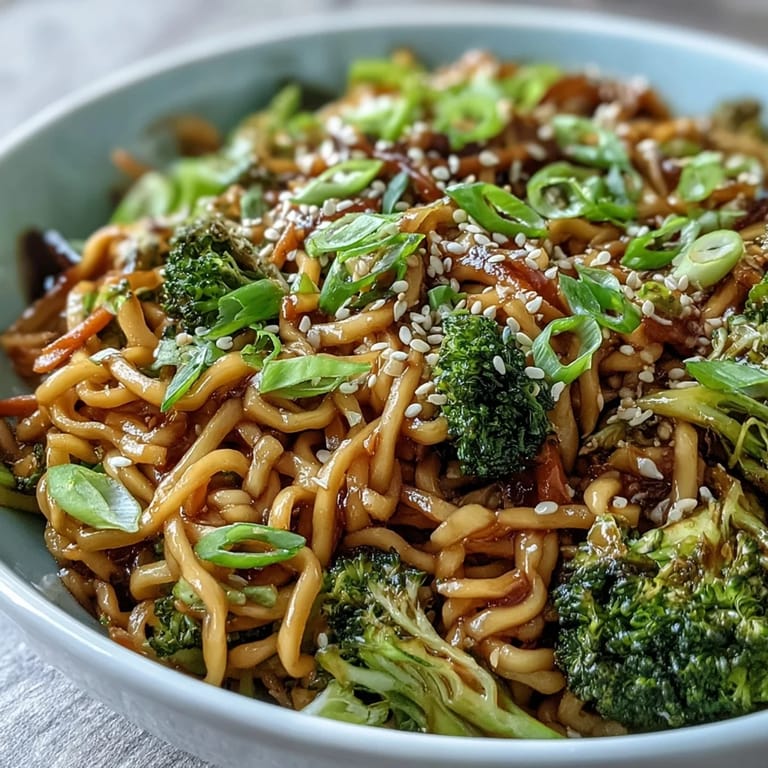
 There's a moment right when you lift noodles from a hot wok onto a white bowl where steam rises up and the smell of sesame and garlic fills the space between you and the meal, and suddenly you're not just feeding yourself anymore. That's when eating becomes presence, when a thirty-minute dinner becomes something worth remembering.
Making This Dish Your Own
The beauty of this noodle bowl is that it's a frame waiting for your additions. I've made it with cubed tofu when I wanted protein without fuss, stirred in grilled chicken when I had leftovers, and even tossed in cashews for crunch when I was feeling fancy. The vegetables flex too—snap peas, bell peppers, mushrooms, whatever you have or whatever caught your eye at the market that week. The teriyaki sauce holds everything together regardless of what else shows up in the bowl.
The Sauce Stays Better Than You'd Think
I learned that if you make the sauce ahead and store it in a glass jar in the refrigerator, it keeps for almost a week, which means you can have this meal ready in the time it takes to boil water and blanch vegetables. The flavors actually deepen as they sit, and reheating it gently in a small saucepan brings everything back to that glossy, clinging consistency. It's one of those preparations that pays dividends when life gets busier than you expected.
Timing and Temperature Tips
The magic of this dish lives in the temperature and timing working together—hot sauce meeting just-tender vegetables and noodles that are still warm enough to accept the flavors without falling apart. If everything cools too much before you combine it, the sauce will sit on top instead of integrating into the dish, which is why having your wok heated and ready matters. You're not rushing, but you are moving with intention.
- Toast your sesame seeds in a dry pan for a minute just before serving so they're fragrant and crispy instead of sitting around losing their personality.
- Have all your ingredients prepped and ready because once you start combining things, it happens fast and you want to be present for it.
- Taste the sauce before you pour it over the noodles so you can adjust the salt or sweetness if needed, since every brand of soy sauce and mirin is slightly different.
 Save It
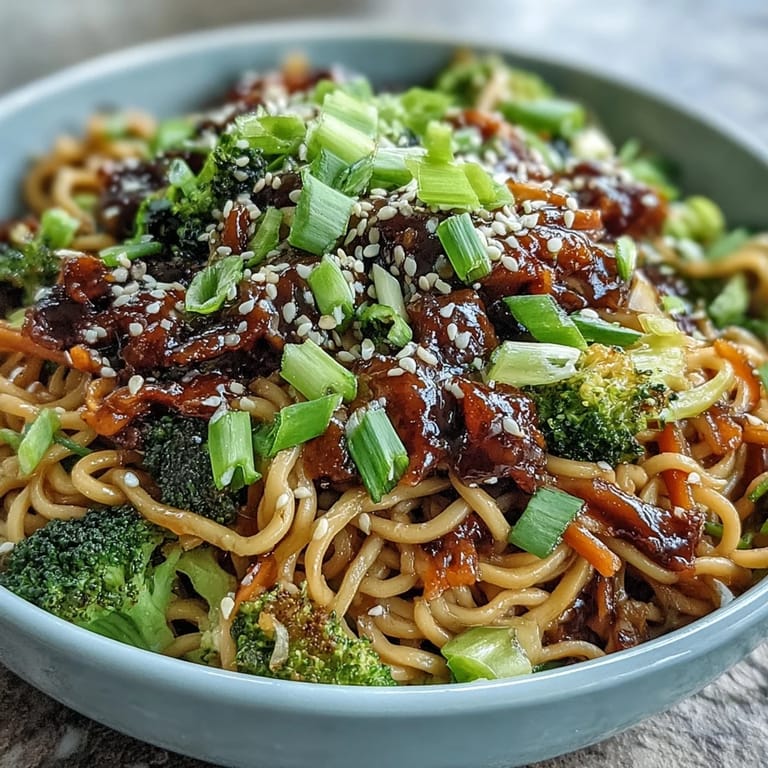
 This teriyaki noodle bowl has become my go-to when I want to feel like I'm taking care of myself but don't have the energy for complexity. It tastes like something that took hours but only asks for thirty minutes of your time.
Common Questions About Recipes
- → Can I make this dish vegan?
Yes, substitute wheat or rice noodles for egg noodles and replace honey with maple syrup. The rest of the ingredients are naturally plant-based.
- → How long does homemade teriyaki sauce keep?
Store the sauce in an airtight container in the refrigerator for up to two weeks. The cornstarch may thicken it further when cold, so gently reheat before using.
- → What protein additions work well?
Tofu, tempeh, or grilled chicken pair excellently with these flavors. Add protein during the final toss step to heat through and coat with sauce.
- → Can I prepare vegetables ahead?
Yes, blanch broccoli and carrots up to two days in advance. Store in the refrigerator and reheat briefly before tossing with noodles and sauce.
- → What wine pairs with this dish?
A crisp Riesling complements the sweet teriyaki notes beautifully, or opt for a light green tea for a non-alcoholic pairing that enhances the Asian flavors.