 Save It
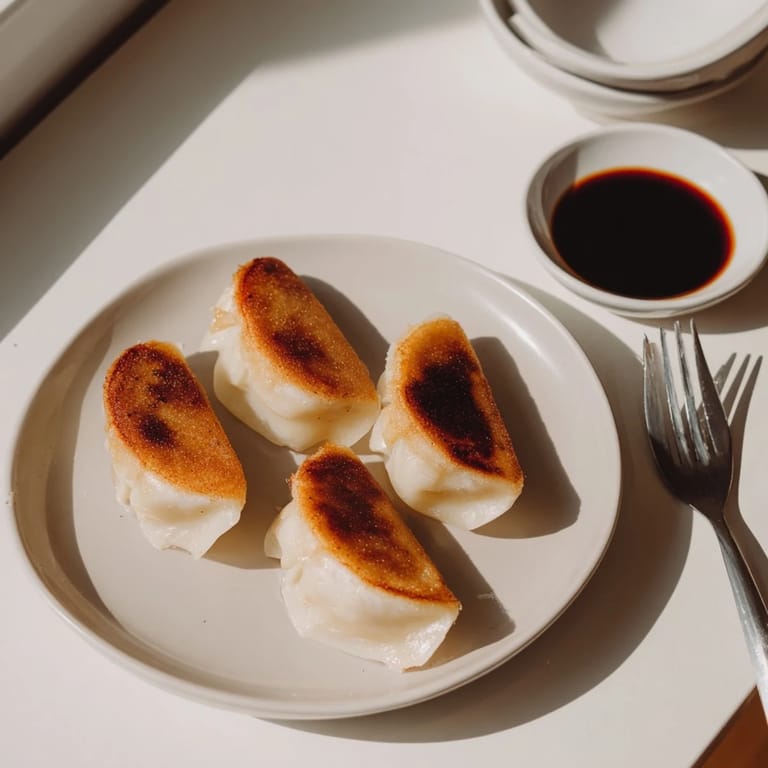
 There was oil crackling in the pan, wonton wrappers spread across my counter, and a bowl of pork filling that smelled like ginger and garlic. I had thirty minutes before friends arrived and zero patience for pleating dumplings the traditional way. So I pressed them flat with my palm, tossed them in the skillet, and discovered that smashing gyozas wasn't just faster, it created these incredible crispy edges that everyone fought over. Now I make them this way on purpose.
The first time I served these at a potluck, someone asked if I'd trained in dumpling making. I laughed and admitted I'd just been lazy and hungry. But that shortcut turned into a technique I actually prefer now. The filling stays juicy, the wrapper gets crispy on one side and soft on the other, and nobody misses the fancy folds. Sometimes the best recipes come from not having enough time to do things the hard way.
Ingredients
- Ground pork: The fat content keeps the filling moist and flavorful, but ground chicken or turkey work if you want something leaner.
- Napa cabbage: Its mild sweetness and high water content add lightness to the filling without making it soggy if you chop it finely.
- Green onions: They bring a sharp, fresh bite that balances the richness of the pork and sesame oil.
- Garlic: Minced fine so it distributes evenly and doesn't burn when the dumplings hit the hot pan.
- Soy sauce: Adds salt and umami depth, the backbone of the filling's savory flavor.
- Sesame oil: Just a tablespoon gives the filling that nutty, toasted aroma that makes the kitchen smell amazing.
- Ginger: Freshly grated ginger cuts through the fat and adds a bright, warming note.
- Sugar: A tiny bit balances the salty soy and brings out the natural sweetness in the cabbage.
- Black pepper: A subtle heat that doesn't overpower but adds a little kick in the background.
- Wonton wrappers: Thinner than dumpling skins, they crisp beautifully and save you from making dough from scratch.
- Neutral oil: Canola or sunflower oil can take the high heat without burning or adding unwanted flavor.
- Water: The secret to steaming the dumplings right in the pan so the filling cooks through while the wrappers stay tender.
- Rice vinegar: Adds tang to the dipping sauce and cuts through the richness of the fried dumplings.
- Chili oil: Optional, but if you like heat, a teaspoon makes the sauce addictive.
- Toasted sesame seeds: They add a little crunch and a nutty finish to the dipping sauce.
Tired of Takeout? 🥡
Get 10 meals you can make faster than delivery arrives. Seriously.
One email. No spam. Unsubscribe anytime.
Instructions
- Mix the filling:
- In a bowl, combine the ground pork, napa cabbage, green onions, garlic, soy sauce, sesame oil, ginger, sugar, and black pepper. Use your hands or a spoon to mix everything until it's fully blended and slightly sticky.
- Fill the wrappers:
- Lay the wonton wrappers on a clean, dry surface and place a heaping teaspoon of filling in the center of each one. Don't overfill or they'll burst when you smash them.
- Seal and smash:
- Dip your finger in water and run it along the edges of each wrapper, then fold it over to make a half moon and press the edges to seal. Gently press down with your palm to flatten each dumpling slightly.
- Pan fry the first batch:
- Heat a tablespoon of oil in a large nonstick skillet over medium high heat, then lay half the dumplings flat side down in the pan. Cook for two to three minutes until the bottoms turn golden brown and crispy.
- Steam to cook through:
- Add two tablespoons of water to the pan and immediately cover with a lid. Let them steam for two to three minutes until the wrappers are tender and the filling is fully cooked.
- Crisp the bottoms again:
- Remove the lid and let the dumplings cook for another minute to evaporate any remaining water and re crisp the bottoms. Repeat the process with the remaining dumplings and another tablespoon of oil.
- Make the dipping sauce:
- In a small bowl, whisk together the soy sauce, rice vinegar, chili oil, and toasted sesame seeds.
- Serve hot:
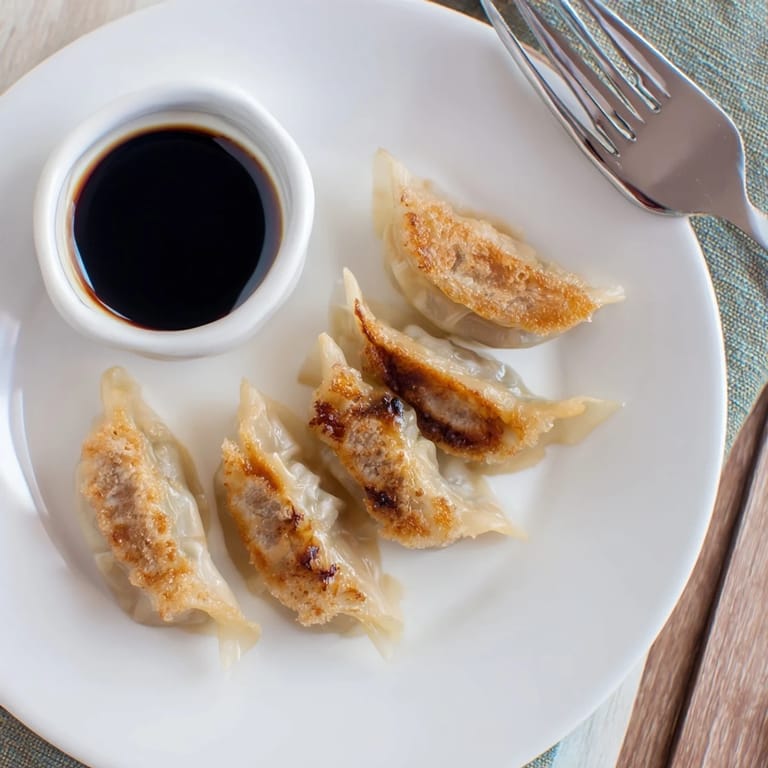
- Transfer the gyozas to a plate and serve them immediately with the dipping sauce on the side.
 Save It
 One night my neighbor came over just as I was pulling a batch out of the pan, and she ate four standing at the stove before I could even plate them. She said the crispy bottom reminded her of the dumplings her grandmother used to make, except faster. We stood there dipping and eating until the whole batch was gone, and I realized that sometimes the best meals aren't the ones you sit down for, they're the ones you eat in the kitchen while the pan is still warm.
Swapping the Protein
Ground chicken or turkey make lighter versions that still taste rich if you don't skimp on the sesame oil and soy sauce. I've also crumbled in firm tofu for a vegetarian option, and it worked beautifully as long as I pressed out the excess water first. If you go with turkey, add an extra teaspoon of sesame oil because turkey can be a little dry on its own. The filling should feel moist and slightly sticky when you mix it, not crumbly.
Getting the Crispiest Bottoms
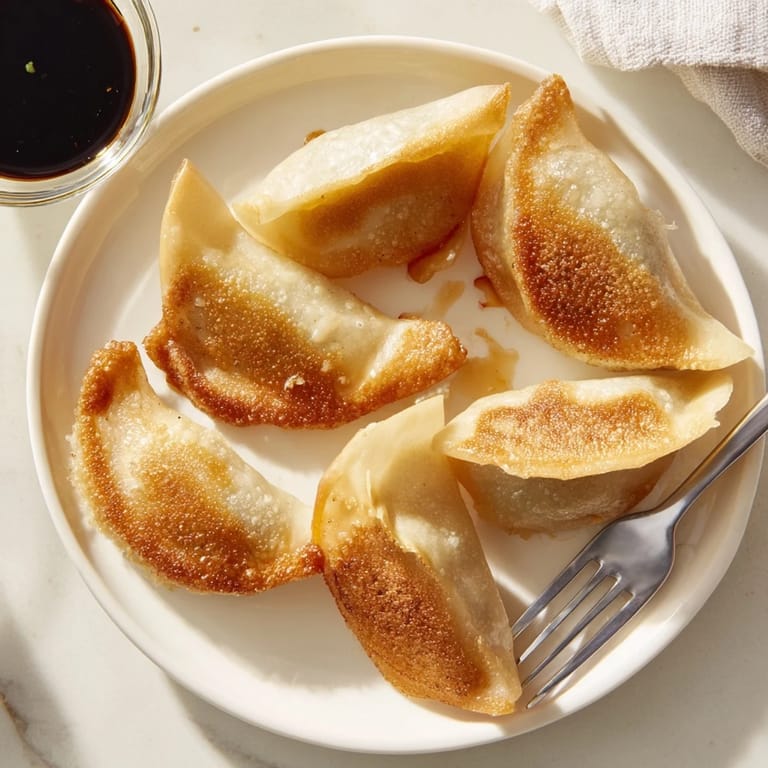
The trick is making sure the oil is shimmering before you add the dumplings, and not crowding the pan so they have room to breathe. If you pile them in, they'll steam instead of fry, and you'll lose that golden crust. After you steam them, let the lid off for a full minute so any lingering water evaporates and the bottoms get crispy again. I learned this the hard way after serving soggy dumplings to my brother, who has never let me forget it.
Make Ahead and Storage
You can assemble the gyozas a few hours ahead and keep them covered in the fridge on a parchment lined tray, just don't let them touch or they'll stick together. If you want to freeze them, arrange them on a tray in a single layer, freeze until solid, then transfer to a freezer bag. Cook them straight from frozen, adding an extra minute or two to the steaming time.
- Cooked gyozas keep in the fridge for up to two days and reheat well in a hot skillet with a splash of water.
- Don't microwave them or you'll lose all the crispy texture you worked for.
- Freeze uncooked dumplings for up to a month and cook them without thawing for an easy weeknight meal.
 Save It
 These gyozas have become my go to whenever I need something fast, satisfying, and impressive enough to serve to people I want to feed well. They're proof that shortcuts can lead to something even better than the original plan.
Common Questions About Recipes
- → Can I make the filling ahead of time?
Yes, prepare the filling up to 24 hours in advance and store it in an airtight container in the refrigerator. This allows flavors to meld and saves preparation time on cooking day.
- → What's the best way to seal the wonton wrappers?
Moisten the edges with water using your finger or a damp brush, then fold and press gently. Avoid excessive water, which can prevent proper sealing. A firm but gentle press ensures the filling stays contained during cooking.
- → Why do we smash the dumplings before cooking?
Smashing creates a larger surface area for crisping and helps the wrapper adhere better to the filling. This technique produces the signature flat, crunchy bottom that defines this cooking style.
- → How do I achieve the perfect crispy-tender texture?
The key is the pan-steam-crisp method: pan-fry for golden color, steam with a lid for tenderness, then cook uncovered briefly to restore crispiness. This three-step process balances texture throughout the dumpling.
- → What are good substitutes for the ground pork filling?
Ground chicken, turkey, or crumbled tofu work excellently. You can also add diced mushrooms, carrots, or water chestnuts for extra flavor and texture variation while maintaining the cooking method.
- → Can I freeze these before cooking?
Absolutely. Arrange filled dumplings on a baking sheet, freeze until solid, then transfer to a freezer bag for up to three months. Cook directly from frozen, adding an extra minute to the steaming time.