 Save It
 I discovered this one-pot wonder during a chaotic weeknight when my roommate showed up hungry and unannounced, armed with nothing but optimism and a bottle of red wine. Standing in front of my stove with a half-empty pantry, I remembered a pasta dish I'd eaten years ago at a tiny Roman trattoria—the kind where the chef yelled at customers in affectionate Italian and the sauce tasted like controlled fire. That night, I threw together what I had: one pot, dried pasta, a can of tomatoes, and enough red pepper flakes to make my eyes water. What emerged was this gloriously spicy, aromatic one-pot pasta that somehow tasted both rustic and elegant, and my roommate cleaned his bowl without saying a word.
Last summer, I made this for a small dinner party on my apartment balcony, and I'll never forget how the smell of toasted garlic and smoldering red pepper drifted through the whole floor. My neighbor across the way actually poked their head out to ask what I was cooking, and by the end of the evening, they'd joined us uninvited with a bottle of Pinot Grigio and no regrets. It's one of those rare dishes that fills a space with such honest, unfussy warmth that people just naturally gravitate toward it.
Ingredients
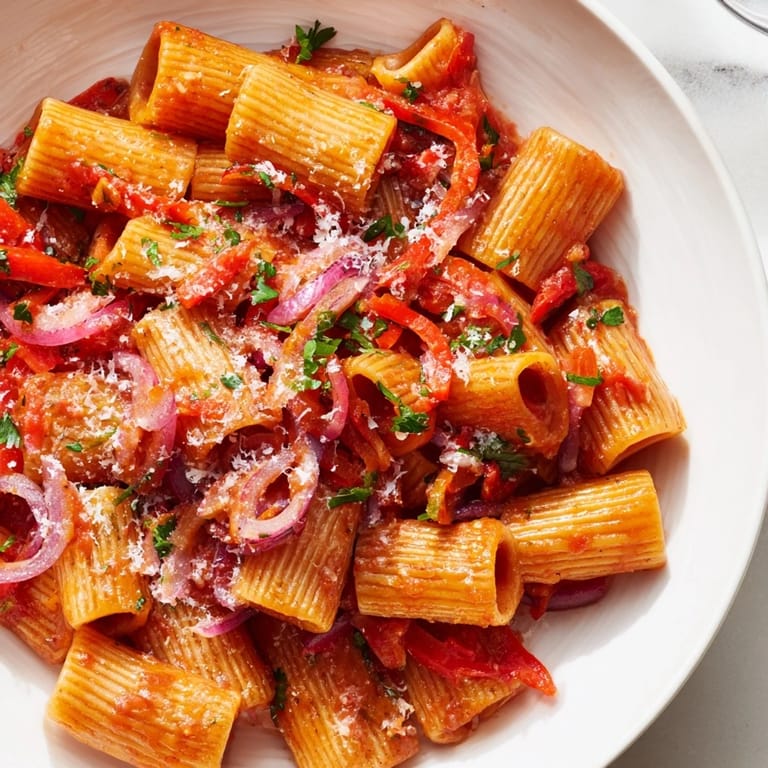
- Penne or rigatoni (350 g): The ridged tubes catch every drop of sauce, but honestly, any sturdy pasta will work—I've even used broken spaghetti in a pinch.
- Water or low-sodium vegetable broth (1 L): Broth adds an invisible depth that plain water can't match, but water works fine if that's what you have.
- Red onion (1 medium, finely chopped): Red onions add sweetness and a slight sharpness that balances the heat beautifully.
- Garlic cloves (3, minced): Never skip the garlic—it's your foundation for everything that comes next.
- Red bell pepper (1, thinly sliced): This softens into the sauce and adds natural sweetness that keeps the spice from becoming one-dimensional.
- Canned diced tomatoes (400 g): Use San Marzano if you can find them, but any good quality canned tomato will do the job.
- Olive oil (2 tbsp): Good olive oil makes a difference here—save your fancy stuff for finishing, but use something you actually like.
- Italian seasoning (2 tsp): This is your silent workhorse, bringing herbal complexity without fanfare.
- Crushed red pepper flakes (1½ tsp): This is your heat control—start here and taste as you go, because everyone's tolerance is different.
- Smoked paprika (1 tsp): It adds a whisper of smokiness that makes people ask what your secret is.
- Salt (1 tsp) and freshly ground black pepper (½ tsp): Taste as you finish—you might need more than you think.
- Grated Parmesan cheese (40 g, plus extra): The cheese melts into the pasta and creates a creamy texture without any cream involved.
- Fresh parsley or basil (2 tbsp, chopped): Fresh herbs at the end wake everything up—this is non-negotiable.
- Lemon zest (½ lemon, optional): A tiny bit of brightness cuts through the richness and makes the whole dish sing.
Tired of Takeout? 🥡
Get 10 meals you can make faster than delivery arrives. Seriously.
One email. No spam. Unsubscribe anytime.
Instructions
- Heat and soften:
- Pour your olive oil into a large deep skillet or Dutch oven and turn the heat to medium. Once it's shimmering, add your chopped red onion and let it soften for a few minutes—you're not looking for color yet, just for the onion to surrender and become translucent.
- Build the aromatics:
- Stir in your minced garlic and sliced red bell pepper, and lean in close—this is when your kitchen fills with that intoxicating smell that tells you you're on the right track. Give it a couple of minutes for the garlic to lose its rawness and for the whole thing to smell like possibility.
- Bring it together:
- Add your diced tomatoes with their juices, the dry pasta, your liquid (water or broth), and all the seasonings at once. This might look like chaos, but stir it well and watch as it transforms into something cohesive and purposeful.
- The gentle simmer:
- Turn up the heat until you see a proper boil, then lower the temperature and let it bubble away gently and uncovered for 12 to 14 minutes. Stir occasionally—this isn't hands-off cooking, but your involvement is light and easy, like you're simply keeping everything company.
- Finish with care:
- Once the pasta is tender and most of the liquid has been absorbed (you want it saucy, not soupy), remove from heat and fold in your grated Parmesan and lemon zest if you're using it. Taste and adjust—sometimes you need a pinch more salt, sometimes a touch more heat.
- Present and serve:
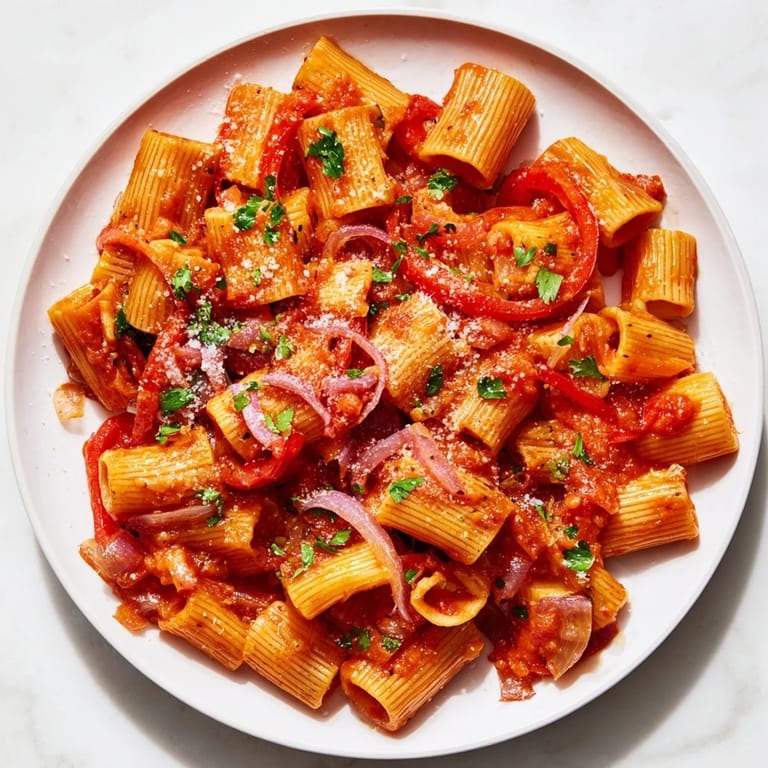
- Spoon into bowls while everything is still steaming hot, top with fresh herbs and a small snowfall of extra Parmesan, and watch people's faces light up when they take that first bite.
 Save It
 There's something almost alchemical about how a single pot transforms humble pantry staples into something that tastes like someone spent hours coaxing out every layer of flavor. This dish reminds me that simplicity, when done with intention, is never boring.
Why One-Pot Magic Works Here
The beauty of cooking pasta directly in the sauce is that it's not just convenience—it's actual cooking wisdom at work. As the pasta releases its starch into the liquid, it thickens the sauce and creates this silky, almost creamy coating that you simply cannot get any other way. Every stir you make during those minutes of gentle simmering is an act of caring, and that care translates directly onto the plate.
The Heat Conversation
When I serve this to new people, there's always that moment where they ask if it's too spicy, and my answer is always the same: it's not about burning your mouth, it's about building heat that makes you want another bite. The smoked paprika and Italian seasoning add complexity that keeps the red pepper flakes from being a one-note shout. Think of it like a conversation where every ingredient gets to speak.
Making It Your Own
This is a foundation, not a rulebook, and some of my best versions have come from improvisation. I've added white beans when I wanted something more substantial, thrown in handfuls of fresh spinach in the last minute of cooking, and once even stirred in a splash of cream because I was feeling indulgent and had an open container staring at me from the fridge. The core stays the same, but the variations are endless.
- For extra protein and body, stir in sliced cooked chicken sausage or sautéed shrimp right before serving.
- If you want to keep it vegan, nutritional yeast adds that savory, cheesy depth without any animal products.
- A crisp glass of Pinot Grigio on the side is not a suggestion—it's a gentle instruction.
 Save It
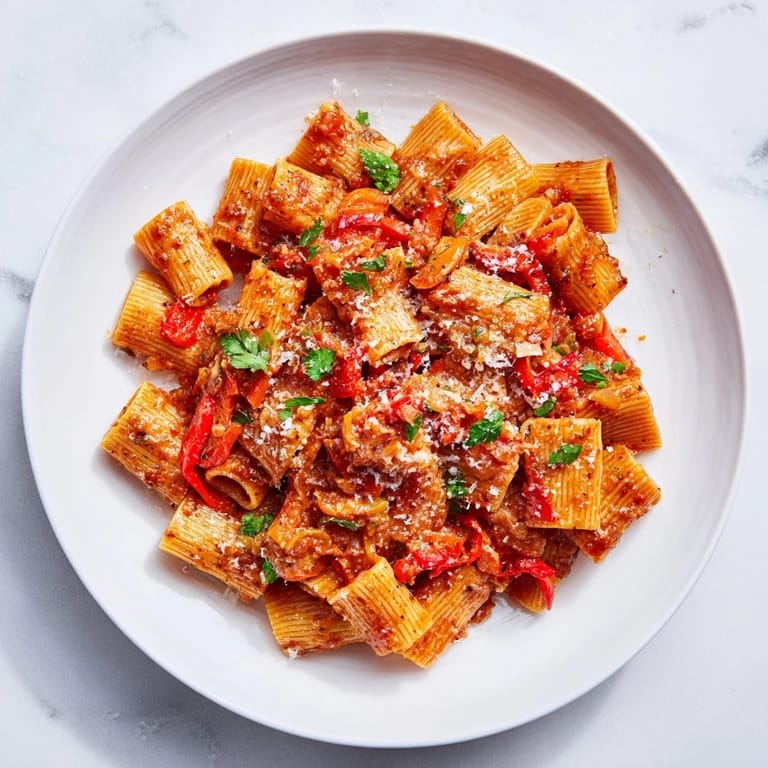
 This one-pot pasta has become my go-to when I want to cook something that feels special without feeling stressed. It's the kind of dish that turns an ordinary Tuesday night into something worth remembering.
Common Questions About Recipes
- → What pasta types work best for this dish?
Penne or rigatoni are ideal, as they hold sauce well and cook evenly in one pot.
- → How spicy is the dish and can it be adjusted?
The heat comes from crushed red pepper flakes and smoked paprika; you can reduce or increase to match your spice preference.
- → Can I add protein to this meal?
Yes, cooked chicken sausage or sautéed shrimp stirred in near the end add protein without altering the core flavors.
- → Is it possible to make a vegan version?
Replace Parmesan with nutritional yeast for a vegan-friendly finish that maintains a savory, cheesy touch.
- → What cooking tools are recommended?
A large deep skillet or Dutch oven works best to cook pasta and sauce together evenly.
- → How can leftovers be stored?
Keep leftovers in an airtight container refrigerated for up to 3 days. Reheat gently to maintain texture.