 Save It
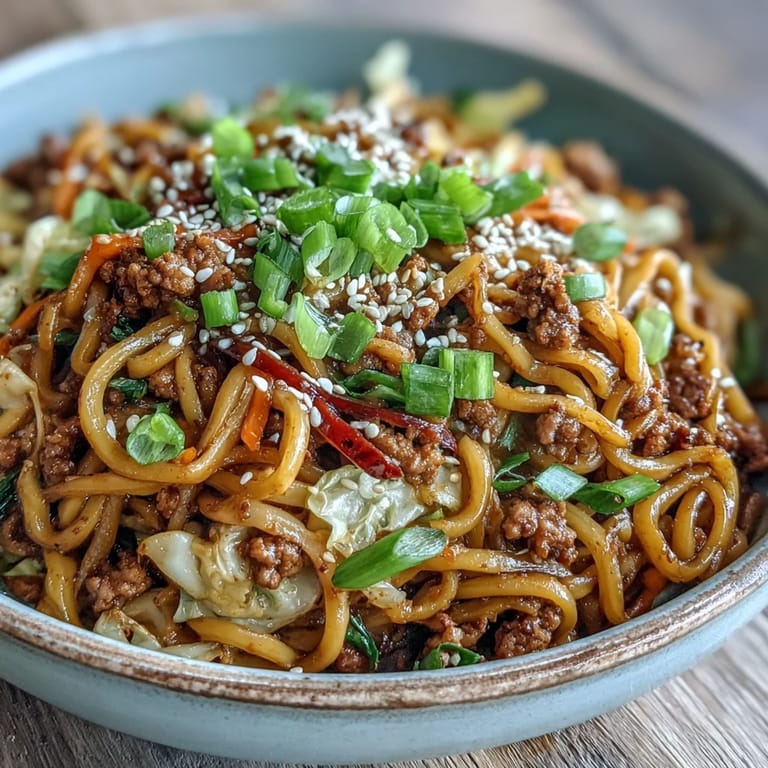
 The smell of gochujang hitting a hot pan is unmistakable. It happened on a Tuesday night when I had half a package of ground turkey, some wilting cabbage, and a craving for something bolder than my usual rotation. I didnt follow a recipe that first time, just tossed what I had into a wok with Korean chili paste I'd been too intimidated to use. The noodles clumped, the sauce was too thick, but one bite and I knew I'd stumbled onto something worth repeating.
I made this for my neighbors during a spontaneous backyard dinner last spring. One of them had never tried gochujang before and kept asking what made it taste so good. I handed her the jar and watched her read the label three times. By the end of the night, she'd ordered her own online and texted me a photo of her first attempt a week later.
Ingredients
- Ground turkey: Lean and mild, it soaks up the sauce beautifully without competing with the gochujang, and it cooks faster than you expect.
- Fresh or dried wheat noodles: Udon or ramen work perfectly here; I like the chewiness of fresh udon, but dried ramen is always in my pantry for emergencies.
- Shredded carrots: They add a slight sweetness and a satisfying crunch that balances the heat from the sauce.
- Red bell pepper: Thinly sliced, it brings color and a gentle roasted flavor when it hits the hot pan.
- Small onion: Thinly sliced and stir-fried until just softened, it adds depth without taking over.
- Napa cabbage: Shredded and wilted slightly, it gives the dish volume and a mild, almost buttery bite.
- Green onions: Sliced and scattered throughout, they offer a sharp, fresh contrast to the rich sauce.
- Soy sauce: The salty backbone of the sauce; I use low-sodium to keep control over the seasoning.
- Gochujang: Korean chili paste with fermented soybean depth, a little sweet, a little smoky, and exactly what makes this dish come alive.
- Sesame oil: Just a tablespoon adds a nutty, toasted aroma that lingers in the best way.
- Brown sugar: It mellows the heat and adds a subtle caramel note that rounds out the sauce.
- Garlic: Minced fresh, it blooms in the sauce and makes the whole kitchen smell incredible.
- Rice vinegar: A tablespoon brightens everything and cuts through the richness with a clean tang.
- Freshly grated ginger: A teaspoon is enough to add warmth and a slight bite that wakes up your palate.
- Toasted sesame seeds: Sprinkled on top, they add a delicate crunch and a finishing touch that feels intentional.
Tired of Takeout? 🥡
Get 10 meals you can make faster than delivery arrives. Seriously.
One email. No spam. Unsubscribe anytime.
Instructions
- Mix the sauce:
- In a small bowl, whisk together soy sauce, gochujang, sesame oil, brown sugar, garlic, rice vinegar, and ginger until smooth. The smell alone will make you hungry.
- Cook the noodles:
- Boil the noodles according to package directions, then drain and rinse them under cold water to stop the cooking. This keeps them from turning mushy later.
- Brown the turkey:
- Heat a large skillet or wok over medium-high heat with a drizzle of oil, then add the ground turkey and break it apart as it cooks for 4 to 5 minutes. You want it browned and crumbly, not steamed.
- Stir-fry the vegetables:
- Toss in the onion, carrots, and bell pepper, stirring constantly for 2 to 3 minutes until they soften slightly. Add the cabbage and cook for another 2 minutes until it wilts but still has some bite.
- Add the sauce:
- Pour in the prepared sauce and toss everything together, coating the turkey and vegetables evenly. The gochujang will cling to every piece.
- Toss in the noodles:
- Add the cooked noodles to the skillet and stir-fry for 2 to 3 minutes, making sure theyre heated through and coated in sauce. Use tongs to keep everything moving.
- Finish and garnish:
- Remove from heat, sprinkle with toasted sesame seeds and extra green onions if you like. Serve immediately while its hot and glossy.
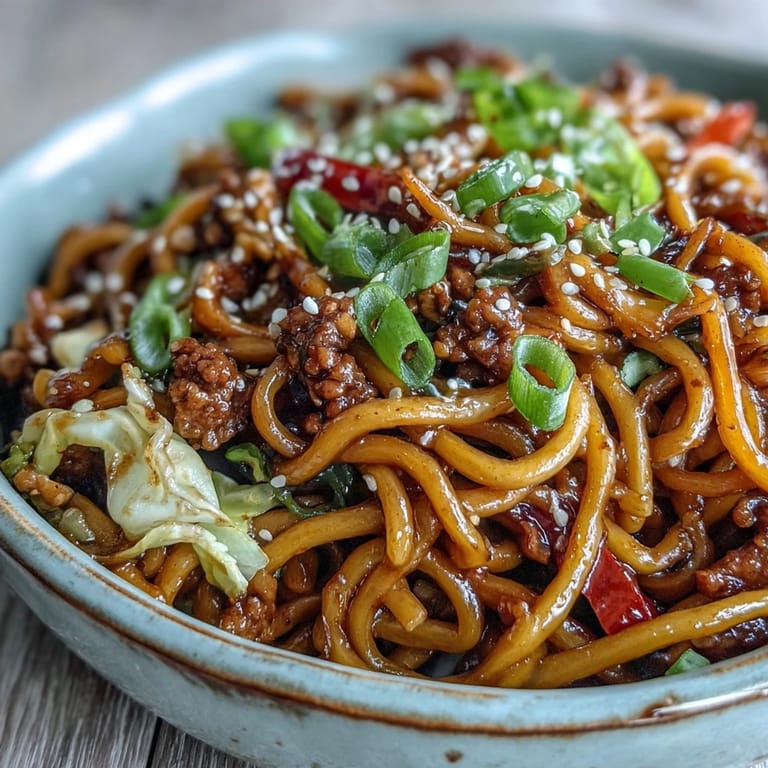 Save It
 The first time I served this to my brother, he ate two bowls and asked if I could teach him how to make it. We stood in my kitchen the following Saturday, and I watched him measure the gochujang with the concentration of someone defusing a bomb. He nailed it on the first try, and now he makes it for his roommates at least once a month.
Choosing Your Noodles
Fresh udon noodles are thick and chewy, and they hold up beautifully to the stir-fry without falling apart. Dried ramen noodles work just as well if you discard the seasoning packet and cook them a minute less than the package says. I've also used rice noodles when I needed a gluten-free option, and they absorbed the sauce like a sponge.
Adjusting the Heat
Gochujang varies wildly in spice level depending on the brand, so start with the 2 tablespoons and taste the sauce before you commit. If you want more kick, stir in a teaspoon of gochugaru or an extra spoonful of gochujang. For a milder version, add a splash more brown sugar or a squeeze of lime to soften the heat without losing the flavor.
Making It Your Own
This dish is endlessly flexible, and I've swapped the turkey for ground chicken, thinly sliced pork, or even crumbled tofu when I wanted to keep it lighter. You can toss in snap peas, mushrooms, or zucchini depending on whats in your fridge. Sometimes I crack an egg into the center of the pan at the end and stir it through for extra richness.
- Add a handful of spinach or bok choy in the last minute of cooking for extra greens.
- Drizzle with a little extra sesame oil right before serving for a deeper toasted flavor.
- Serve with a side of pickled radish or kimchi to cut through the richness.
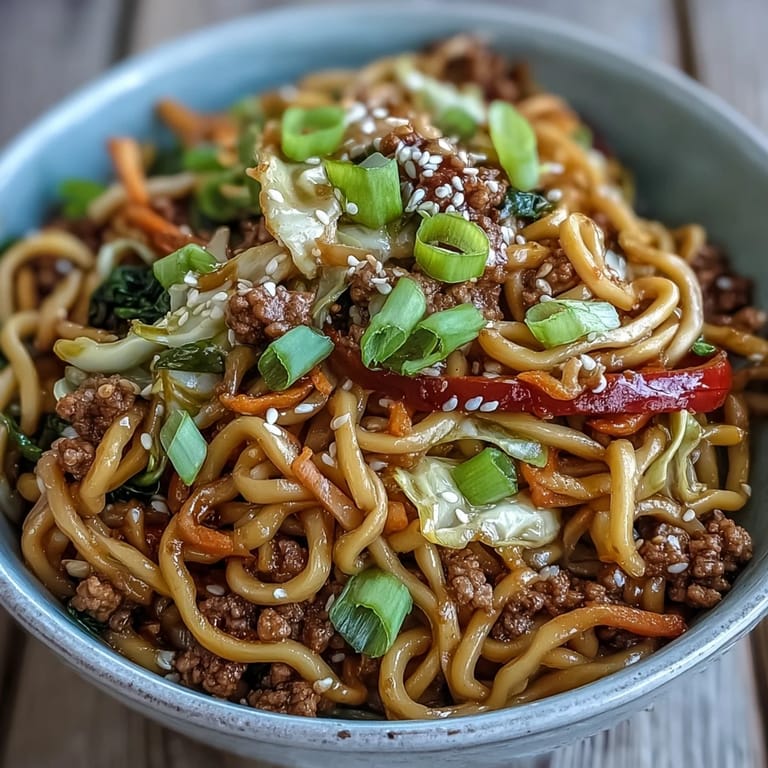 Save It
 This is the kind of meal that makes you feel capable, even on the nights when youre tired and tempted to order takeout. Its fast, its forgiving, and it always tastes like you put in more effort than you did.
Common Questions About Recipes
- → What type of noodles work best?
Udon or ramen noodles are ideal for their chewy texture and ability to hold the thick sauce. Fresh wheat noodles cook quickly and absorb flavors well. For a gluten-free option, rice noodles work beautifully too.
- → Can I adjust the spice level?
Absolutely. Start with 2 tablespoons of gochujang for moderate heat. Add more for extra kick or reduce for a milder version. A dash of gochugaru (Korean chili flakes) intensifies the heat without altering the sauce consistency.
- → What proteins can I substitute?
Ground chicken, beef, or pork work equally well. For a vegetarian version, use crumbled tofu or textured vegetable protein. The Korean sauce complements any protein beautifully.
- → How do I prevent noodles from sticking?
Rinse cooked noodles under cold water to stop cooking and remove excess starch. Toss them with a teaspoon of sesame oil before adding to the skillet. This keeps strands separate and helps them absorb the sauce evenly.
- → Can I meal prep this dish?
Yes, it reheats beautifully. Store in airtight containers for up to 4 days. Reheat in a skillet with a splash of water to refresh the sauce. The flavors actually deepen overnight, making leftovers even more delicious.
- → What vegetables can I add?
Bok choy, snap peas, shiitake mushrooms, or bean sprouts add great texture. Spinach wilts nicely into the sauce. For crunch, try water chestnuts or sliced bamboo shoots.