 Save It
 There's something about salmon that makes you want to cook for someone you care about. I discovered this recipe on an ordinary Tuesday when I realized I had wild-caught salmon thawing on the counter and absolutely no complicated plans for dinner. The name alone—Marry Me Salmon—made me smile, and the simplicity of throwing together garlic, lemon, and dill felt less like cooking and more like creating something that could actually impress someone without breaking a sweat.
I made this for my partner on a rainy evening when we both needed something that felt indulgent but wasn't fussy. Watching them take that first bite, closing their eyes as the lemon hit—that's when I understood why this dish has such a charming name. Sometimes the best meals are the ones where you're not stressed about technique, just focused on getting good ingredients to the table while they're at their peak.
Ingredients
- Wild-caught salmon fillets: The quality difference between farm and wild is noticeable here, and since you're cooking such a simple dish, splurge if you can—the flavor speaks for itself.
- Olive oil or avocado oil: This is your base for the marinade, so use something you'd actually taste on its own; neutral oils won't give you that richness.
- Fresh garlic, minced: Pre-minced garlic from a jar will work in a pinch, but freshly minced cloves release oils that taste brighter and more alive.
- Fresh lemon juice: Bottled lemon juice tastes flat by comparison; squeeze it fresh and you'll taste the difference immediately in how it brightens everything.
- Sea salt and cracked black pepper: Coarse salt dissolves more slowly, giving you better control over seasoning, and freshly cracked pepper has a complexity that pre-ground can't match.
- Fresh dill: If fresh dill isn't available, dried will work, but use about a third of the amount since it concentrates when dried—the flavor can become overwhelming otherwise.
Tired of Takeout? 🥡
Get 10 meals you can make faster than delivery arrives. Seriously.
One email. No spam. Unsubscribe anytime.
Instructions
- Get your oven ready and prepare your stage:
- Preheat to 400°F and line your baking sheet with parchment paper or foil—this prevents sticking and makes cleanup almost laughable. Having everything prepped before you start means you're not fumbling around when the oven is hot.
- Build your marinade with intention:
- Whisk together the olive oil, minced garlic, lemon juice, salt, and pepper in a medium bowl, then let it sit for about 5 minutes. This resting time lets the flavors start getting to know each other, which might sound poetic but genuinely changes how they taste together.
- Position your salmon like it deserves:
- Place the fillets skin-side down on your prepared sheet and arrange any vegetables around them if you're using them. Pat the salmon dry with a paper towel first—this small step helps the marinade cling better and prevents excess moisture from steaming the fish.
- Coat generously and garnish:
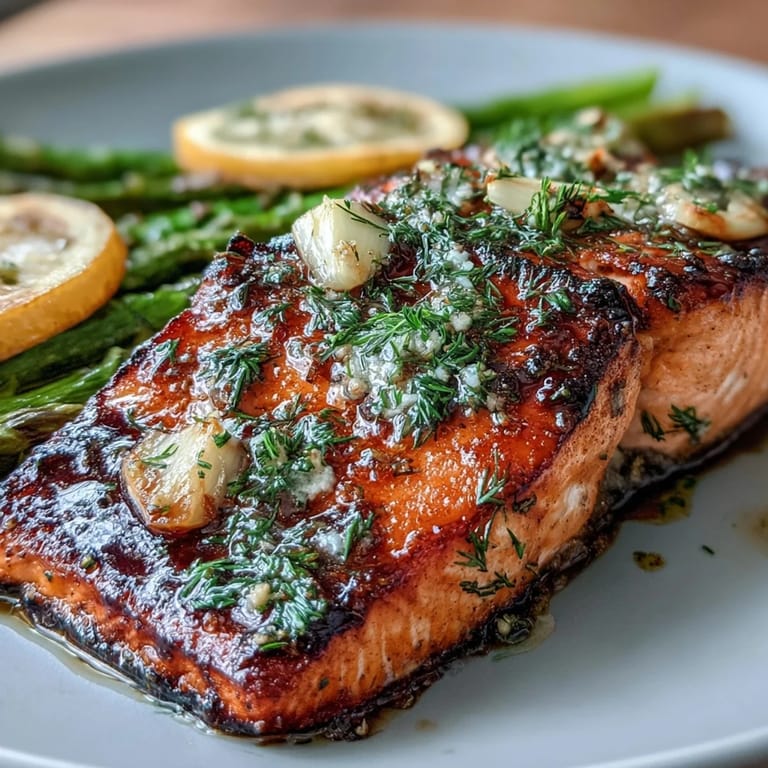
- Brush each fillet with your marinade using a pastry brush, or your fingers work just fine, then sprinkle the fresh dill over the top. Don't be shy with either one; you want every bite to have layers of flavor.
- Bake until the magic moment:
- Slide everything into the oven for 15 to 20 minutes, depending on how thick your fillets are—thinner ones finish faster, so watch for that moment when the flesh turns opaque and flakes easily with a fork. You'll know it's done when the center of the thickest part looks cooked through but still moist, not dry.
- Rest and serve with confidence:
- Let it sit for 2 to 3 minutes out of the oven before plating; this brief rest keeps everything moist and allows flavors to settle. A final squeeze of fresh lemon juice right before serving brings everything into sharp focus.
 Save It
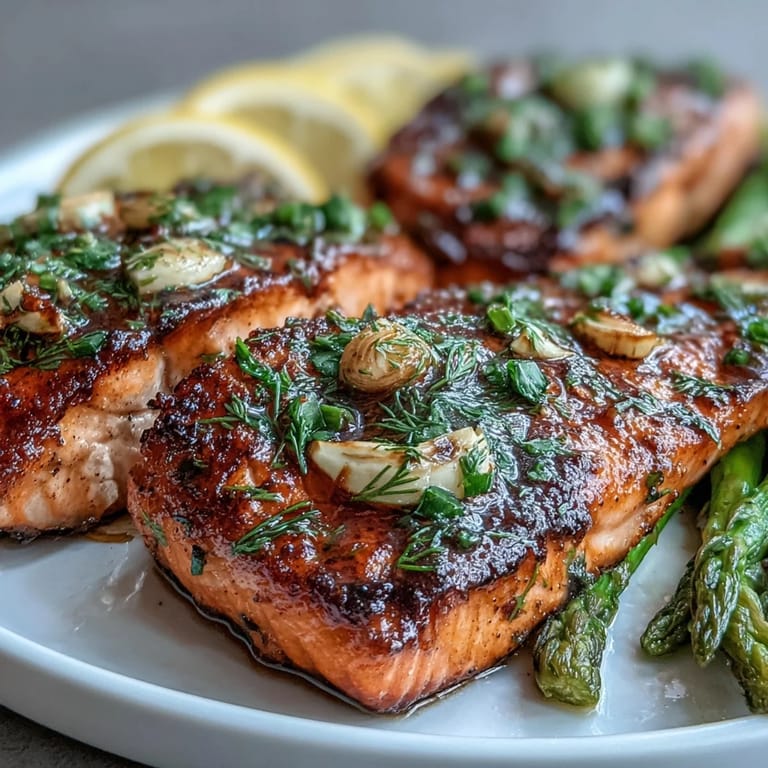
 There's a moment right after you pull this from the oven when the kitchen fills with this aromatic cloud of garlic, lemon, and dill that hits you all at once. That's the moment when a simple weeknight dinner becomes something that feels deliberately special, something that says you cared enough to cook thoughtfully.
Choosing Your Salmon Wisely
Wild-caught salmon costs more, but you're paying for flavor that's noticeably deeper and more complex than farm-raised options. The color should be vibrant, almost coral, and the smell should be clean ocean air, not fishy—that's how you know it's fresh. If your fishmonger knows their stuff, ask them which fillets came in most recently, and don't hesitate to ask questions about where they come from.
Vegetables That Belong on This Plate
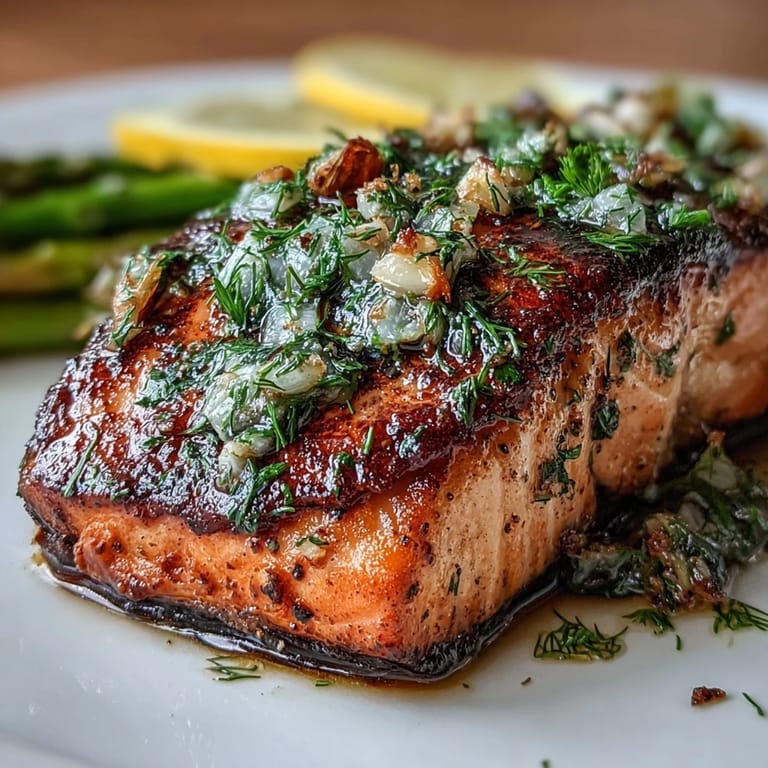
Asparagus is the classic pairing because it roasts beautifully at the same temperature and its slight bitterness balances the bright lemon beautifully. Bell peppers add color and sweetness, green beans bring a fresh crunch, and even cherry tomatoes halved on the side work wonderfully if you want something lighter. The beauty of this dish is that whatever vegetables you choose bake alongside the salmon, absorbing that garlicky, lemony goodness, so you're really making one complete meal instead of juggling multiple pans.
- Cut vegetables into similar sizes so they cook evenly with the salmon.
- Toss them lightly in some of that same marinade before roasting for consistency.
- Add them to the baking sheet at the same time as the salmon if they're delicate, or 5 minutes earlier if they're sturdy root vegetables.
The Dill Question and Other Herb Swaps
Fresh dill is the star here because its delicate, slightly sweet flavor plays so well with lemon and garlic without overpowering anything. If you can't find fresh dill or it's out of season, dried dill works but use only a third to a half of what the recipe calls for—dried herbs are concentrated and can easily dominate. Parsley brings a fresh, clean note if you want something more neutral, basil leans the dish toward an almost Italian feel, and tarragon, if you're feeling adventurous, brings an anise-like complexity that's surprisingly lovely with salmon.
 Save It
 This dish proved to me that you don't need complexity to create something memorable—sometimes you just need good ingredients, a hot oven, and 20 minutes of patience. It's the kind of meal that tastes like you tried, without actually trying that hard.
Common Questions About Recipes
- → Why is it called Marry Me Salmon?
The name originated from the folklore that this dish is so delicious, it has inspired marriage proposals. The combination of flavors creates an unforgettable dining experience that's perfect for romantic occasions.
- → Can I use frozen salmon fillets?
Yes, frozen salmon works well. Thaw completely in the refrigerator overnight before preparing. Pat dry thoroughly to ensure the marinade adheres properly and the fish bakes evenly.
- → What temperature should salmon be cooked to?
Salmon is perfectly cooked when it reaches 145°F internally and flakes easily with a fork. Visual cues include opaque flesh and slight separation in the layers. Avoid overcooking to maintain moisture.
- → Can I substitute fresh herbs?
Fresh dill provides the classic flavor profile, but parsley, basil, or chives make excellent alternatives. Use about half the amount if substituting dried herbs for fresh.
- → How long does this keep in the refrigerator?
Store leftover salmon in an airtight container for up to 2-3 days. Reheat gently in the oven at 325°F for 10-12 minutes, or enjoy cold over salads for a quick lunch.
- → What vegetables pair best with this salmon?
Roasted asparagus, bell peppers, zucchini, or cherry tomatoes complement the flavors beautifully. The vegetables can be roasted on the same baking sheet alongside the fish for easy cleanup.