 Save It
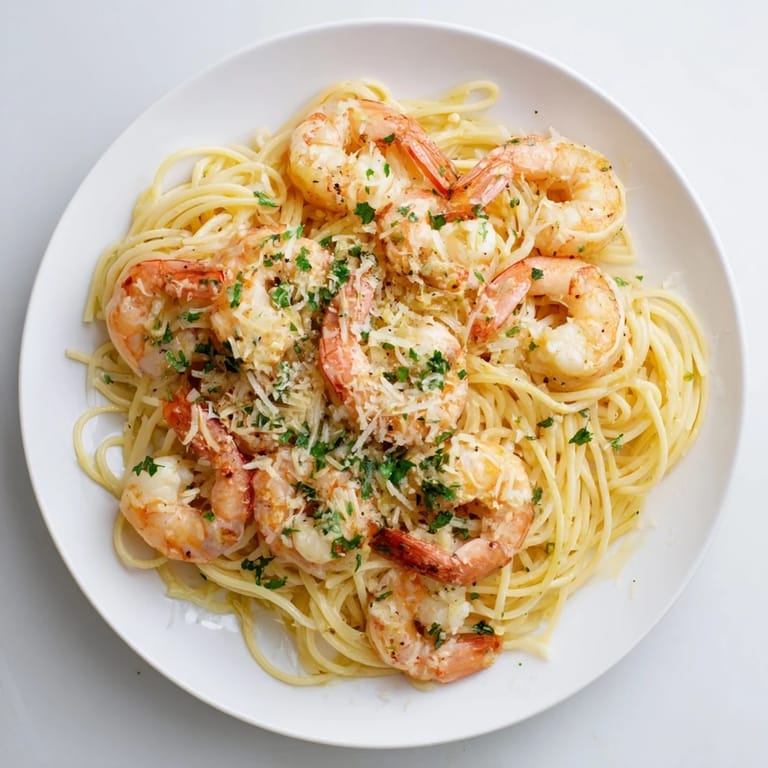
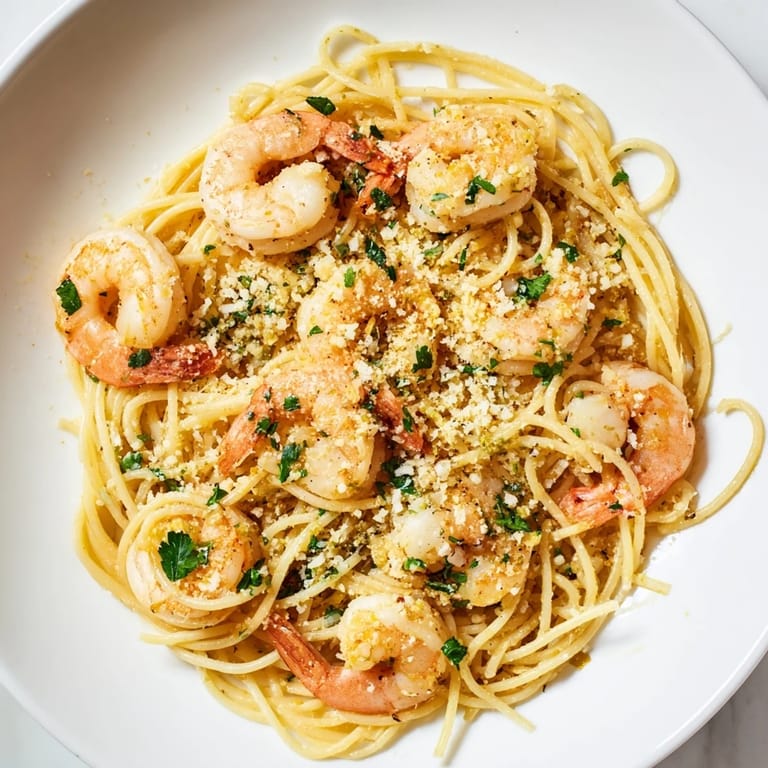
 There's something about the smell of garlic hitting hot butter that makes you feel like you've got your life together, even if you're cooking in sweatpants on a Tuesday night. I stumbled onto this lemon garlic shrimp pasta by accident—I'd bought too much shrimp at the market and needed something quick before it went bad. What started as a desperate dinner became the recipe I make whenever I want to impress someone without actually trying very hard. The bright lemon cuts through the richness so cleanly, and everything comes together in under thirty minutes.
I made this for my friend Sarah on a Friday when she was going through a rough patch, and I remember her eyes lighting up when that first forkful hit her mouth. She said it tasted like summer even though it was November, and I realized right then that food isn't just about filling your stomach—it's about the moment you're creating. She's asked me to make it every time she visits now.
Ingredients
- Large shrimp (450 g): Buy them as fresh as possible and pat them completely dry before cooking—wet shrimp steam instead of sear, and you lose all that caramelized flavor.
- Spaghetti (340 g): Don't skip cooking it to true al dente; mushy pasta will absorb the sauce wrong and turn the whole dish heavy.
- Unsalted butter (60 g): This is where half the flavor lives, so use real butter, not margarine, and don't cheap out.
- Extra-virgin olive oil (2 tbsp): The olive oil adds fruity notes that bounce off the lemon—it matters more than you think.
- Garlic cloves (4, minced): Mince it fresh and use it right away; pre-minced garlic from a jar tastes like sadness.
- Lemon (zest and juice): Zest the lemon before cutting it in half, and use fresh lemon juice—bottled lemon juice will make this taste like sadness in a different way.
- Dry white wine (60 ml, optional but recommended): The wine adds acidity and depth; if you skip it, add a splash of broth instead so the sauce doesn't taste thin.
- Crushed red pepper flakes (1/4 tsp): Start with this amount and taste as you go—some people want more heat, some less.
- Salt and black pepper: Season in layers, not all at the end; you'll have better flavor control.
- Fresh parsley (2 tbsp chopped): The parsley is your finishing touch—it adds color and a fresh herbal brightness that makes people think you're fancy.
- Parmesan cheese: Freshly grated tastes ten times better than pre-grated, and it melts into the sauce instead of sitting on top like breadcrumbs.
Tired of Takeout? 🥡
Get 10 meals you can make faster than delivery arrives. Seriously.
One email. No spam. Unsubscribe anytime.
Instructions
- Get your water boiling and your shrimp ready:
- Salt your water generously—it should taste like the sea. While it heats, lay your shrimp on a clean towel and pat them really dry with paper towels; this step is boring but absolutely crucial for getting them to brown instead of steam.
- Cook the pasta:
- Stir it once when it hits the water, then let it do its thing. About two minutes before the package says it's done, pull out a piece and taste it—you want it tender but still with a tiny bit of resistance when you bite.
- Sear those shrimp:
- Heat your skillet over medium-high heat until it's properly hot, then add 1 tablespoon of olive oil and 1 tablespoon of butter. When the butter stops foaming, lay the shrimp in without moving them for a full minute—listen for the sizzle, and you'll know it's working. Flip them and give them another minute, then move them to a plate; they'll keep cooking later, so don't overcook them now.
- Build the sauce:
- Lower the heat to medium and add the remaining butter and oil. Stir in your minced garlic and let it cook just until it smells incredible, about 45 seconds. If you let it go longer, it'll taste bitter and disappointed.
- Add the brightness:
- Pour in your lemon juice and zest, then the white wine if you're using it. You'll see everything bubble up and smell like a lemon grove—that's the sign it's working. Let it simmer for a couple minutes so some of the sharpness mellows out.
- Bring it all together:
- Return the shrimp to the skillet with any juices from the plate, add your drained pasta, and toss everything together. If it looks dry, add your reserved pasta water a splash at a time until the sauce coats every strand.
- Season and finish:
- Taste it and adjust the salt and pepper—this is your moment to make it perfect for your palate. Turn off the heat, scatter the parsley over top, and serve immediately with Parmesan and lemon wedges on the side.
 Save It
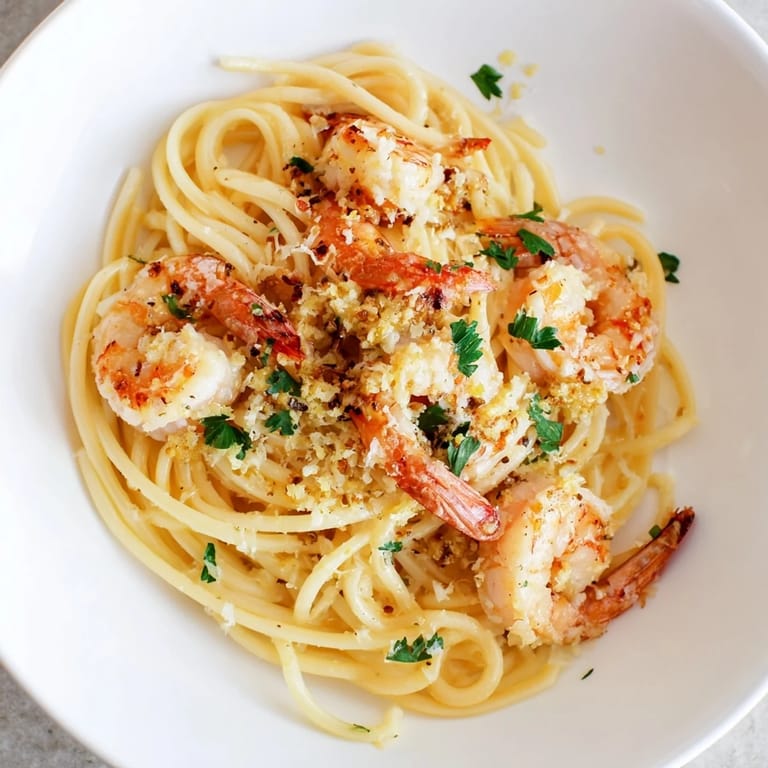
 My mom tried this recipe after watching me make it once, and she texted me a photo of her finished plate with just a heart emoji. That's when I knew it was the kind of recipe that doesn't need a thick instruction manual or fancy equipment—just fresh ingredients and a few minutes of attention. It's become the meal I make for myself when I want to feel taken care of, which is maybe the best compliment a recipe can get.
Why This Works So Well
The magic of this dish is that it looks fancy but relies on technique rather than technique-difficulty. Shrimp is naturally sweet, lemon is naturally bright, and butter is naturally rich—you're just letting them talk to each other instead of drowning them in a heavy cream sauce. The pasta water is your secret weapon; it has starch that emulsifies with the fat and creates a silky coating that actually sticks instead of sliding off. Everything is done in one pan after the pasta boils, so you're not juggling five different things at once.
Timing and Temperature Matter
This recipe is forgiving in a lot of ways, but timing is everything. Shrimp goes from perfect to rubbery in about ninety seconds, so you have to stay present and not get distracted scrolling on your phone. The heat should be medium-high for searing the shrimp, then medium for the sauce—too hot and the garlic burns, too cool and nothing browns. The lemon juice needs to hit the hot pan so it reduces slightly and loses some of its raw edge, which is why dumping it in cold doesn't work the same way.
Variations and Swaps
This is a blueprint more than a rigid formula, which is why I love it. You can add spinach or cherry tomatoes in the final toss, or throw in a handful of capers for a salty punch. Some people use fresh herbs like basil or dill instead of parsley, and that completely changes the mood in a good way. If you're cooking for someone who doesn't eat shellfish, white fish fillets work beautifully, or even chicken breast cut into chunks—you're really just using the sauce technique and applying it to whatever protein you want.
- Add a splash of heavy cream at the end if you like it richer, but honestly it doesn't need it.
- A pinch of garlic powder can help if your garlic isn't as fresh as you'd like, but don't rely on it as a substitute.
- Leftover pasta can be reheated gently with a splash of water, though it's best fresh.
 Save It
 This recipe has saved me more dinner nights than I can count, and it never feels like a cop-out meal. It's bright, it's quick, and it tastes like you actually know what you're doing in the kitchen.
Common Questions About Recipes
- → How do I prevent shrimp from overcooking?
Cook shrimp just until they turn pink and opaque, usually 1-2 minutes per side, to keep them tender and juicy.
- → Can I substitute white wine in the sauce?
Yes, you can replace white wine with chicken or vegetable broth to maintain flavor without alcohol.
- → What pasta is best for this dish?
Spaghetti works perfectly here, but long, thin pastas like linguine are also excellent choices to hold the buttery sauce.
- → How does reserved pasta water help?
Adding reserved pasta water helps create a silky sauce by loosening the butter mixture and ensuring it clings to the pasta perfectly.
- → Can I add vegetables to enhance this meal?
Yes, adding baby spinach or cherry tomatoes brings color and nutrition without overpowering the bright lemon-garlic flavors.