 Save It
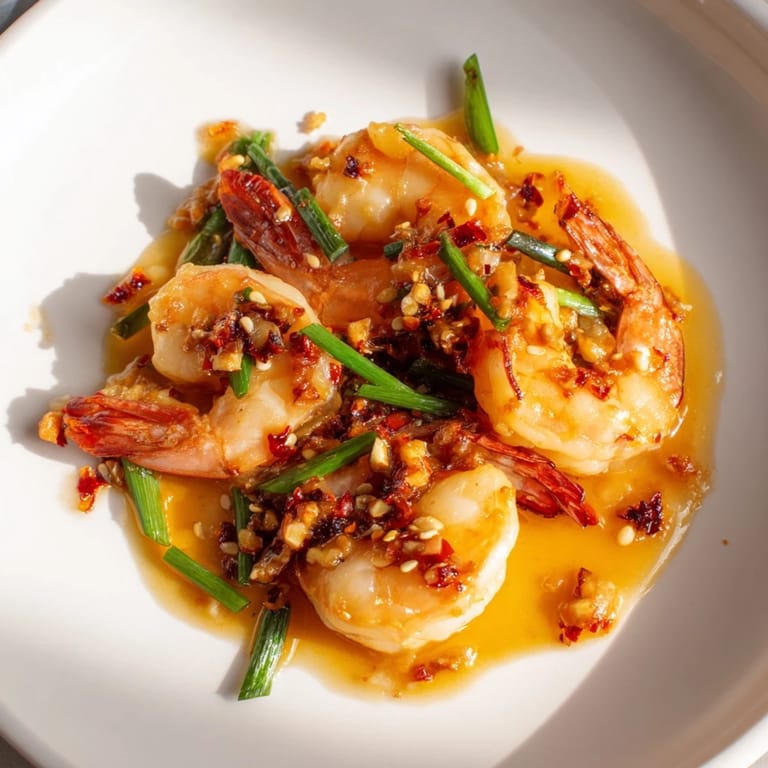
 I discovered this dish during a late-night dinner at a tiny Korean fusion restaurant tucked between two office buildings in the city. The chef finished plating a bowl of garlic butter shrimp with such casual confidence that I knew it had to be simple to make at home. When I finally recreated it in my own kitchen, I was amazed at how much flavor could come together in less than twenty minutes with just a handful of ingredients. The buttery garlic sauce clung to each shrimp like it was meant to, and the heat from the gochugaru arrived exactly when I expected it. Now it's become my go-to when I want something that feels restaurant-quality but doesn't require leaving the house.
I made this for my sister one weeknight when she stopped by unannounced, and I watched her face as she tasted it—that moment when someone realizes you can cook something they thought only restaurants could make. She asked for the recipe immediately, and the fact that it fit on a single index card made her laugh. Now whenever she brings a date over, she volunteers to cook, and this is what she makes every time. That's when I knew it wasn't just a recipe; it was something that worked.
Ingredients
- Large shrimp (500 g / 1 lb): Buy them already peeled if you can find them fresh or frozen—it saves you the tedious prep work and means you're actually going to make this on a weeknight.
- Unsalted butter (3 tbsp): Don't skip the quality here; good butter makes the whole sauce taste less like a condiment and more like something intentional.
- Garlic (4 cloves, minced): Mince it fine enough that it melts into the butter rather than staying as little chunks—your kitchen will smell incredible in the process.
- Gochugaru (1 tbsp): This Korean chili flake is what separates this from every other garlic butter shrimp you've had; it brings heat and depth at the same time.
- Soy sauce (1 tbsp): It anchors all the sweet and spicy elements, so use one you actually like drinking straight—the quality shows.
- Honey (1 tbsp): The small amount of sweetness keeps the dish balanced; I learned this the hard way by making it without and wondering why it tasted too aggressive.
- Sesame oil (1 tsp): Just a teaspoon is all you need; more than that and it overpowers everything else in the pan.
- Scallions (2 tbsp, chopped): They're the fresh finish that prevents the whole dish from feeling too heavy and sauce-forward.
- Toasted sesame seeds (1 tsp): They add texture and a nutty note that makes people ask what you did differently.
- Lemon wedges: Serve them on the side even if no one asks for them; someone always does at the last second.
Tired of Takeout? 🥡
Get 10 meals you can make faster than delivery arrives. Seriously.
One email. No spam. Unsubscribe anytime.
Instructions
- Dry your shrimp first:
- Pat them with paper towels until they feel just barely damp. This tiny step means they'll sear instead of steam, and the difference between a rubbery shrimp and a juicy one comes down to this.
- Let the butter melt on medium heat:
- Watch it foam slightly as it warms, and don't walk away—you want it ready when the garlic goes in.
- Add minced garlic and listen:
- Stir constantly for exactly one minute; you'll hear the sizzle soften and smell the garlic become fragrant. If it starts to brown, you've waited too long.
- Bloom the spices in the warm butter:
- Stir in the gochugaru, soy sauce, honey, and sesame oil all at once and let them warm through for about thirty seconds. The kitchen will smell like something you want to bottle.
- Arrange shrimp in a single layer:
- Don't crowd the pan; they should touch the hot butter directly, not steam each other. This is where patience matters—let them cook undisturbed for two to three minutes until the underside turns pink and firm.
- Flip and finish cooking:
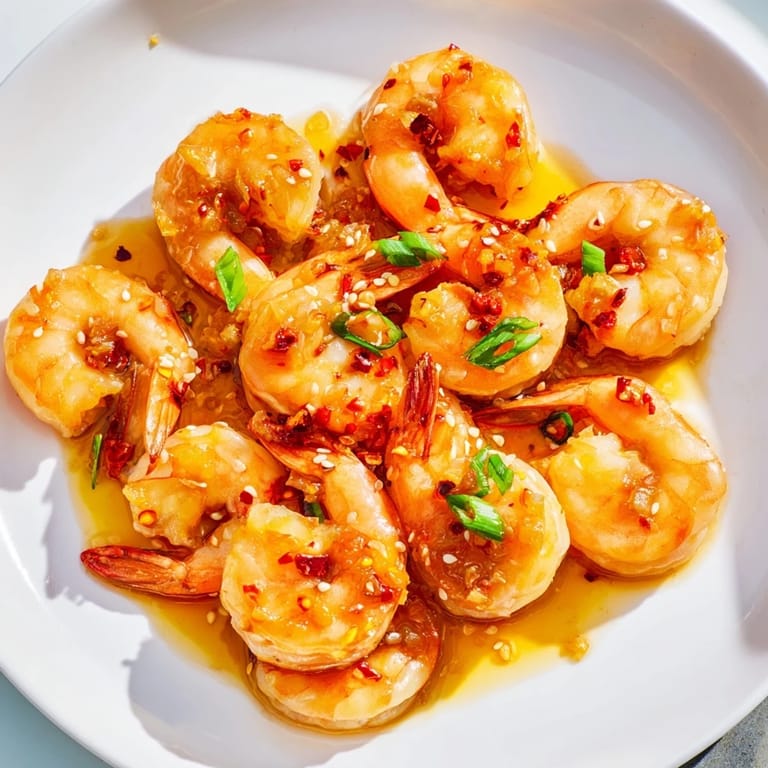
- Give them another two to three minutes on the second side; you're looking for opaque white color all the way through with just a hint of that coral-pink at the curl.
- Toss everything together one last time:
- Pull the pan off the heat and coat each shrimp thoroughly in that sauce. Some recipes tell you to keep cooking here, but I learned that a cold pan at the end keeps the shrimp tender.
- Plate immediately with the garnish:
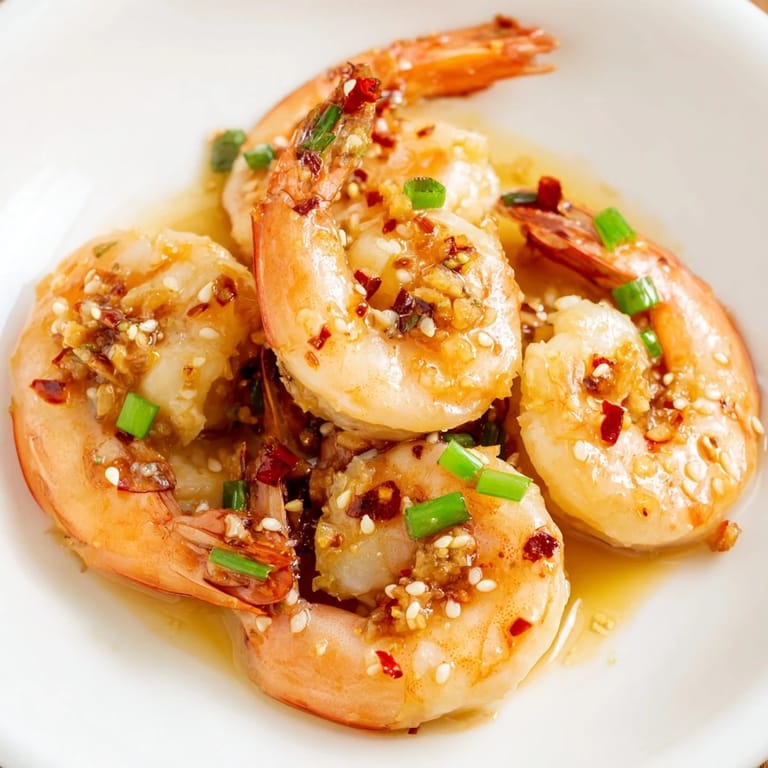
- Scatter scallions and sesame seeds on top while the shrimp are still warm enough to wilt them slightly. Serve right away with lemon wedges on the side.
 Save It
 There was a moment when I made this for someone I was trying to impress, and they asked if I'd studied Korean cooking. I laughed and told them the truth: I'd only studied my own kitchen and the willingness to try things until they worked. That conversation reminded me that cooking doesn't have to come from a culinary school to feel authentic or delicious.
Timing and Preparation
The entire cook time is genuinely under ten minutes once your ingredients are prepped, which means mise en place is actually crucial here rather than just a nice idea. I do all my chopping and measuring while the pan is heating, and by the time the garlic is ready, everything else is waiting. The beauty of this dish is that it forces you to stay present in the kitchen—you can't step away to answer emails or check your phone without risking overcooked shrimp.
Variations and Substitutions
I've made this with scallops when shrimp weren't available, and the sauce works beautifully with them too, though the timing changes slightly since scallops are thicker. My friend who avoids dairy swaps in coconut butter, and while the flavor shifts, it doesn't lose any of its appeal. You can also lean harder into the heat by adding extra gochugaru or a tiny pinch of cayenne if your crowd likes things spicy enough to make you think about it with every bite.
Serving and Pairing Ideas
The first time I served this over white rice, I understood why people write passionate love letters to carbs—the sauce soaks in and the shrimp sit on top like they're meant to be there together. It's equally good as an appetizer on its own, especially when you want people to feel like they're getting something special before the real meal starts. A crisp white wine like Sauvignon Blanc or even a cold beer cuts through the richness perfectly and makes the experience feel complete rather than like a single standalone dish.
- Serve over steamed rice to let the sauce do its job as a proper sauce rather than a garnish.
- Double the batch and serve as an appetizer if you're hosting; people will ask for this instead of whatever else you made for dinner.
- Leftovers are genuinely good tossed cold into a grain bowl the next day, which is a rarity in the shrimp world.
 Save It
 This dish reminds me that some of the best meals come from simplicity rather than complexity, and that cooking something that makes people genuinely happy doesn't require you to be a professional. Make it for someone you care about, and watch their face change when they taste it.
Common Questions About Recipes
- → What type of chili flakes adds heat?
Gochugaru, Korean chili flakes, provide a moderate spicy kick and a mild smoky flavor.
- → Can I use frozen shrimp for this dish?
Yes, thaw the shrimp completely and pat dry to ensure proper sautéing and flavor absorption.
- → What are good side pairings with this shrimp?
Steamed rice, fresh noodles, or crisp salads complement the bold flavors nicely.
- → How do I make it dairy-free?
Substitute unsalted butter with a plant-based or dairy-free butter alternative without altering taste significantly.
- → What garnishes enhance the dish's flavor?
Chopped scallions and toasted sesame seeds add freshness and nuttiness to finish the dish.