 Save It
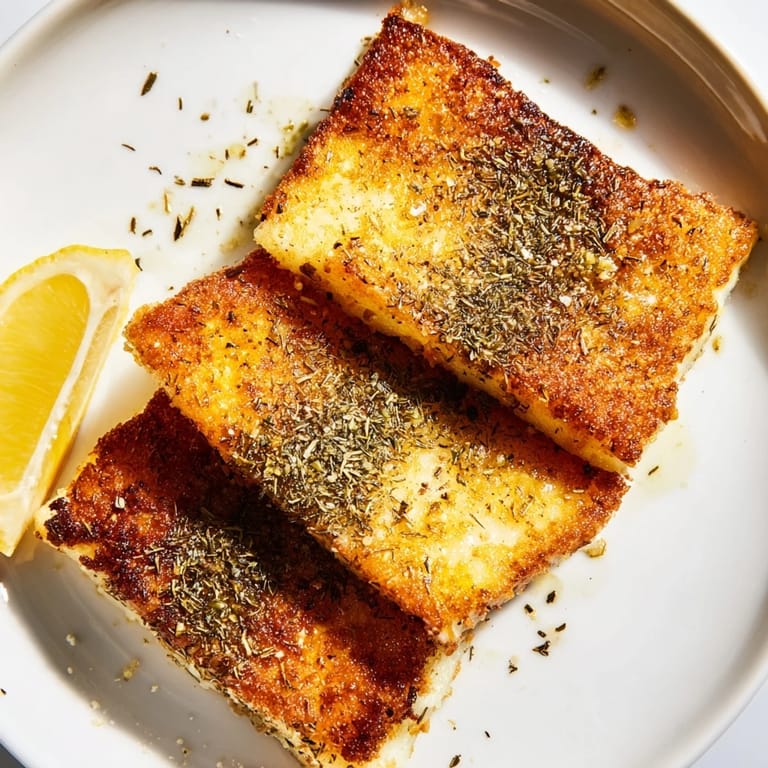
 The first time I watched my grandmother make saganaki, I was mesmerized by the simple magic of it—a thin slice of cheese hitting hot oil and immediately turning into something crispy and golden. She'd do it without hesitation, like it was as natural as breathing, and I stood there expecting disaster but getting something perfect instead. That sizzle became the sound of Greek hospitality to me, a five-minute miracle that somehow tastes like centuries of kitchen wisdom.
I remember making this for friends on a weeknight when I had nothing planned but wanted to feel like a proper host. One piece hit the pan and within seconds the smell had everyone gathered in the kitchen, and suddenly a simple appetizer became the moment everyone stopped talking and just listened to the sizzle. That's when I understood this dish isn't about complexity—it's about the theater of it, the immediate gratification, the way something so straightforward can make people feel cared for.
Ingredients
- Firm Greek cheese (kasseri, kefalotyri, or halloumi), 200 g sliced 1 cm thick: The thickness matters more than you'd think—too thin and it disappears, too thick and the outside burns before the inside warms, so that centimeter is your sweet spot for the perfect contrast.
- All-purpose flour, 2 tbsp: This isn't about breading heavily, it's just enough dusting to help the cheese crisp up beautifully and keep it from sticking to the pan.
- Olive oil, 2 tbsp: Use good quality oil here since there are so few ingredients—it's not hiding anywhere, so it deserves to be something you'd actually enjoy tasting.
- Lemon wedges and dried oregano: The brightness of lemon is what makes this dish sing, cutting through the richness with such clean sharpness that you'll want to squeeze generously.
Tired of Takeout? 🥡
Get 10 meals you can make faster than delivery arrives. Seriously.
One email. No spam. Unsubscribe anytime.
Instructions
- Dry your cheese slices:
- Pat each piece with paper towels until they're completely dry—moisture is the enemy of crispiness, and this small step is what separates golden from soggy every single time.
- Coat lightly in flour:
- Dredge each slice gently and shake off the excess like you're brushing away snow, so you've got just a whisper of flour clinging to the surface.
- Heat your oil:
- Get the skillet medium-high and let the oil shimmer for a moment, then you'll know it's ready when a tiny piece of cheese sizzles immediately upon contact without burning.
- Fry with confidence:
- Add the cheese slices and resist the urge to move them around—let them sit for a full minute or more on each side so they develop that golden, crackling crust you're after.
- Drain and serve:
- Remove to paper towels for just 30 seconds to shed excess oil, then transfer straight to a serving plate while they're still hot and the cheese is still at that perfect barely-melted stage.
- Finish boldly:
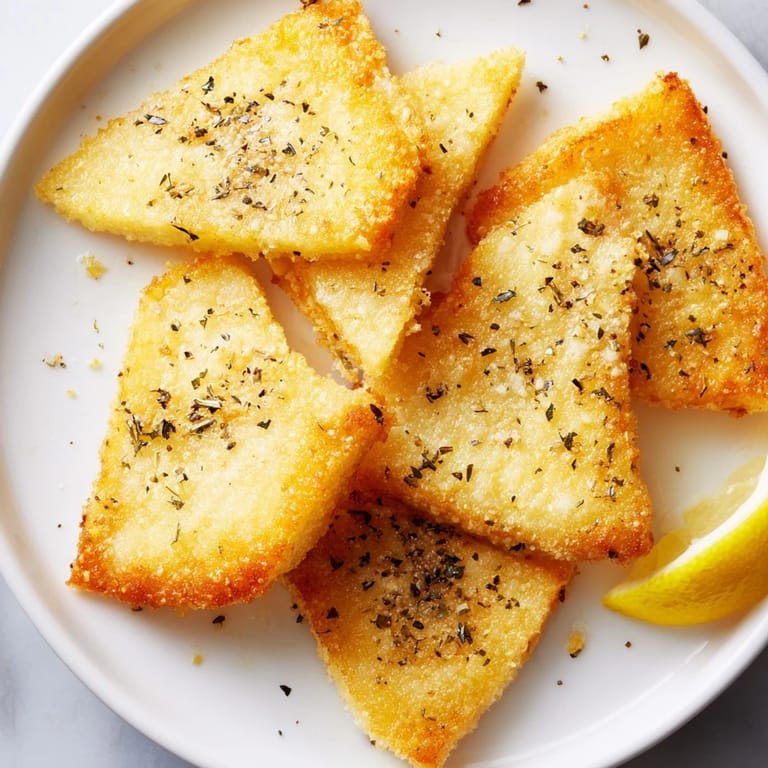
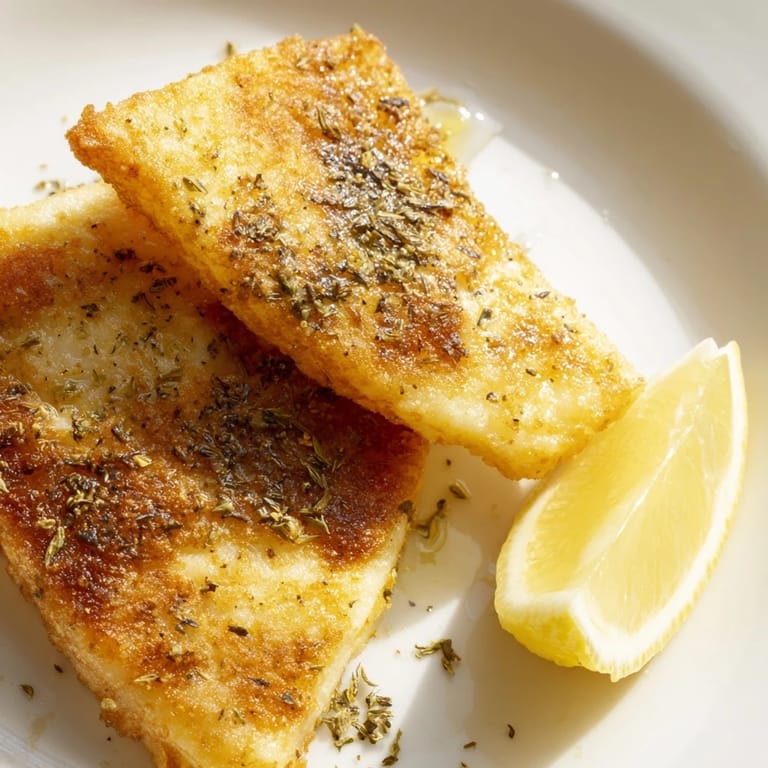
- Sprinkle generously with oregano and black pepper, then serve immediately with lemon wedges so everyone can squeeze to their taste.
 Save It
 There was an evening when my neighbor smelled the saganaki cooking and just appeared in my doorway asking what on earth smelled so good. We ended up eating them straight from the pan with wine and conversation that stretched longer than the actual cooking time, and that's when I realized this dish has a gift for bringing people into the kitchen moment itself. It's not fancy enough to intimidate, but it's special enough to feel like an occasion.
Choosing Your Cheese Wisely
Kasseri is the most traditional choice and has this subtle richness that deepens when fried, while kefalotyri is a bit sharper and tangier if you prefer a more pronounced flavor. Halloumi works beautifully too and has a higher melting point, so it stays structured longer if you're nervous about timing. I've learned that whatever cheese you choose, it needs to be firm enough to hold its shape, so skip the softer varieties and always ask your cheese counter if something will work for frying—they'll know.
The Oil Question
I used to think any oil would do, but olive oil really does make a difference in the flavor, giving the cheese this subtle background note of warmth and earthiness that vegetable oil can't match. If you're concerned about smoke point, you can use half olive oil and half a neutral oil, though high-quality olive oil actually handles this heat just fine. The 2 tablespoons might seem stingy, but it's exactly enough for a nonstick skillet—more oil won't make it better, it'll just make cleanup more complicated.
Making It Your Own
Once you've mastered the basic version, you can get playful with it in ways that feel natural rather than forced. Some people dust the flour with a tiny bit of paprika or za'atar, others add a whisper of garlic powder, and I've even seen crushed pistachios used as a coating that adds such a lovely textural surprise.
- Serve alongside some good olives or marinated peppers to round out your mezze platter.
- A drizzle of warm honey on top creates this sweet-savory moment that feels almost decadent.
- Keep your pan at the right temperature by only frying a few pieces at a time, never crowding the skillet.
 Save It
 This is one of those dishes that reminds me why I love cooking—it's proof that you don't need hours or complicated techniques to create something that feels luxurious and deeply satisfying. The next time you want to impress someone or simply treat yourself to something warm and crispy, this will be waiting for you.
Common Questions About Recipes
- → What types of cheese work best for Saganaki?
Firm Greek cheeses like kasseri, kefalotyri, halloumi, or graviera are excellent choices due to their texture and melting points.
- → How do you achieve a crispy golden crust?
Lightly dredge cheese slices in flour and fry in hot olive oil until golden on each side for a crisp exterior.
- → Can I make Saganaki gluten-free?
Yes, substitute all-purpose flour with gluten-free flour to keep the coating crispy while accommodating dietary needs.
- → What is the best way to serve Saganaki?
Serve immediately with lemon wedges for squeezing and a sprinkle of dried oregano and freshly ground pepper for vibrant flavor.
- → What drinks pair well with this dish?
A crisp white wine such as Assyrtiko complements the rich, savory notes perfectly.
- → How long does it take to prepare?
The entire process takes about 10 minutes, making it a quick yet impressive appetizer option.