 Save It
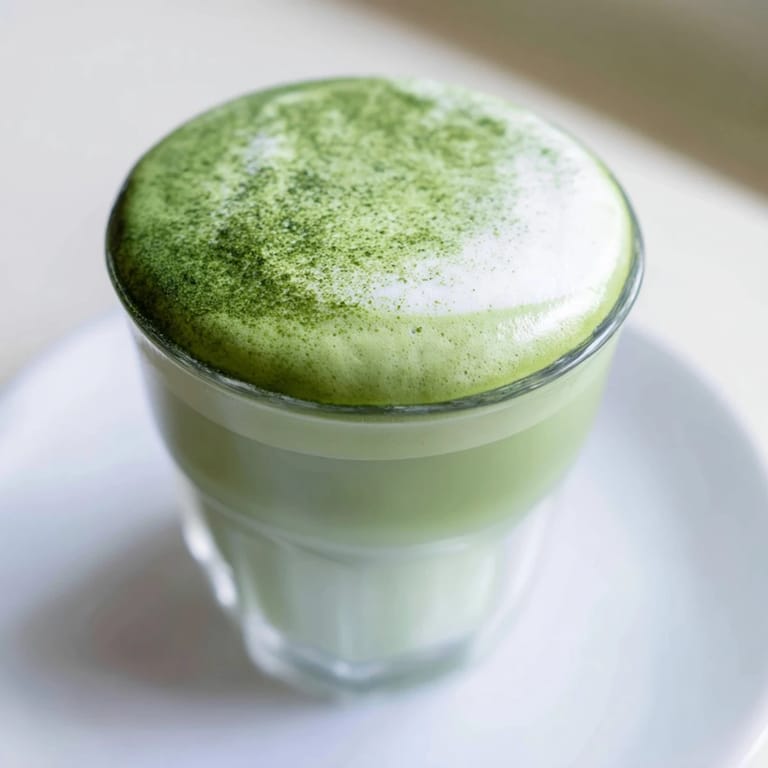
 The first time I made a matcha latte at home, I was honestly just trying to recreate that café moment—you know, the one where the barista hands you a tall glass with a cloud of foam floating on top and you feel instantly calmer just looking at it. I'd watched the ritual so many times: the careful whisking, the precise temperature, the way the foam catches the light. That afternoon, standing in my kitchen with a tin of matcha I'd ordered online, I realized this wasn't about copying someone else's skill. It was about learning to make something I genuinely loved whenever I wanted it, without the price tag.
I made this for my roommate on a quiet morning when she was stressed about work, and watching her face when she took that first sip—the way her shoulders dropped a little—made me understand why tea ceremonies exist. There's something about the care in preparation that actually matters, that translates to whoever drinks it. Since then, I've made it for friends who swear they don't like matcha, and somehow this version converts them every time.
Ingredients
- High-quality matcha powder: This is where it actually matters to spend a bit more—cheap matcha tastes grassy and bitter, but good matcha is smooth and slightly sweet, almost buttery. I learned this the hard way after my first batch tasted like I was drinking grass clippings.
- Hot water (80°C/175°F): Boiling water kills the delicate flavor, which I discovered by scalding my first batch and wondering why it tasted burnt. An electric kettle with a temperature setting changed everything for me.
- Milk of choice: Whole milk froths the prettiest, but I've had great results with oat and barista-blend plant milks—avoid the thin ones, they won't hold foam.
- Cold milk for foam: Use the same type as your main milk or it gets weird, and yes, temperature matters more than you'd think.
- Granulated sugar or simple syrup: Simple syrup dissolves instantly and blends better, but sugar works fine if you whisk it in while the milk is warm.
- Ice cubes (optional): I usually skip them because the cold foam already cools everything perfectly.
Tired of Takeout? 🥡
Get 10 meals you can make faster than delivery arrives. Seriously.
One email. No spam. Unsubscribe anytime.
Instructions
- Sift your matcha:
- Pour the matcha into a small bowl or straight into your mug and push it through a fine sieve with the back of a spoon. Those tiny clumps of powder will hide in your drink and ruin the smooth texture, which I found out the unfortunate way.
- Whisk until frothy:
- Add the hot water and whisk in quick, deliberate circles with a bamboo whisk if you have one—the motion matters. You're looking for a pale green foam on top, not just a mixed drink, and it should take about thirty seconds of actual effort.
- Warm your milk gently:
- Pour it into a small saucepan or heat it in a mug in the microwave for about 45 seconds. You want it steaming but not boiling—test it with your finger if you're not sure.
- Pour and stir:
- Add the warm milk to your matcha mixture and stir gently so everything blends without losing the foam you just created. This is where patience pays off.
- Froth the cold milk:
- Pour cold milk into a jar, add your sweetener, and either use a milk frother or seal the jar and shake it hard for about 30 seconds. You'll see it roughly double in volume and become creamy.
- Assemble your drink:
- Pour the matcha mixture into a glass, top with a generous spoonful of that silky cold foam, and serve immediately while everything is at its best.
 Save It
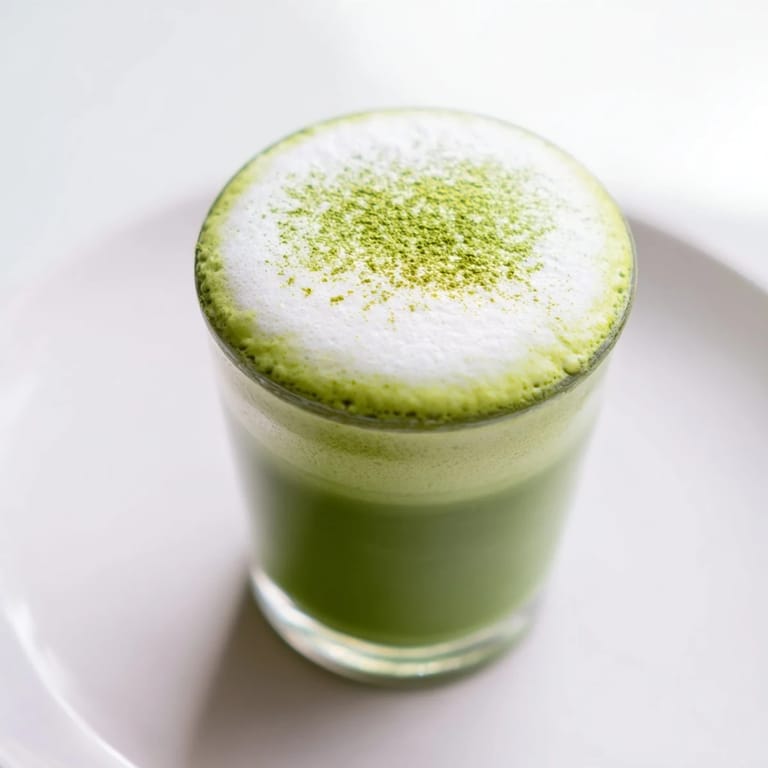
 There's a moment right when you pour that foam onto the hot matcha, and it floats there in this perfect cloud of green and white, that feels genuinely luxurious. That's when I stop rushing and actually enjoy what I made, even if it's just for myself on a Tuesday morning.
The Foam-to-Latte Ratio
I used to think more foam was always better, but I've learned that the best ratio is about one-quarter foam to three-quarters latte. Too much foam and you're drinking mostly air by the bottom of the glass, which sounds fun but gets disappointing fast. The foam should be thick and creamy, not light and airy like a cappuccino—think more like a silky mousse sitting on top of your drink. That's what makes each sip feel special.
Make It Your Own
I've experimented with this in a hundred different ways, and honestly, the best version is the one you actually make instead of ordering. Some days I add a tiny splash of vanilla extract or a drop of almond syrup, other times I sprinkle cinnamon or a bit of extra matcha powder on top for looks and a slightly earthier taste. The beauty of making it at home is that you get to decide every single element.
Morning Ritual
This has become my quiet moment before everything else happens—ten minutes where I'm fully present with something I made with my own hands. It's not about being fancy or Instagram-worthy, it's about taking care of yourself in a small, intentional way. When you taste matcha that's prepared with a little thought, it tastes better. I promise.
- Use filtered water if your tap water is heavily chlorinated, as it changes the flavor more than you'd expect.
- Make your matcha latte right before you drink it—it doesn't keep well once assembled, and the foam gets weird after a few minutes.
- Keep your matcha tin sealed and away from light, because it oxidizes faster than most people realize and loses its vibrant color.
 Save It
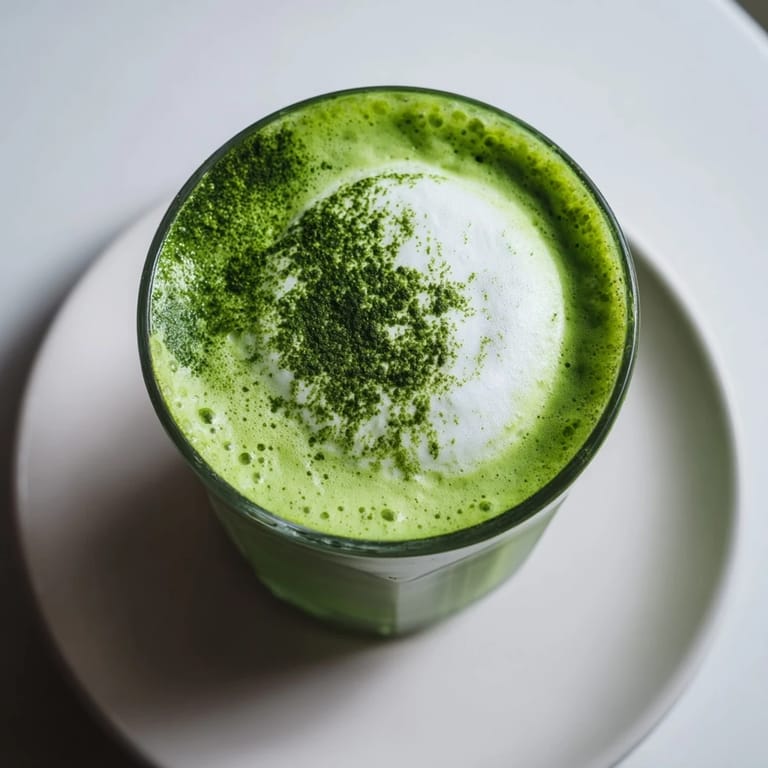
 Making a matcha latte at home feels like learning a small ritual that actually improves your day. It's worth getting right.
Common Questions About Recipes
- → What type of milk works best for the foam?
Whole milk creates a rich, creamy foam, but barista-style plant milks like oat or almond also froth well for a dairy-free option.
- → How do you prepare matcha for this drink?
Sift matcha powder to remove lumps, then whisk vigorously with hot water until smooth and frothy for the perfect base.
- → Can I adjust the sweetness of the foam?
Yes, simply increase or decrease the amount of granulated sugar or simple syrup when frothing the cold milk to suit your taste.
- → Is it possible to serve this drink iced?
Absolutely, adding ice cubes to the latte before topping with cold foam provides a refreshing chilled option.
- → What tools are recommended for making the foam?
A milk frother or a tightly sealed jar shaken vigorously can create the desired airy, silky foam topping.
- → Can I garnish the latte for extra flavor?
Sprinkling a dusting of cinnamon or extra matcha powder enhances aroma and adds a delightful finishing touch.