 Save It
 The smell of lime hitting a hot pan still takes me back to a tiny apartment kitchen where I first attempted Thai cooking at midnight after a long shift. I was exhausted and craving something bright enough to wake up my senses but gentle enough to not upset my tired stomach. That first attempt was a disaster of overcooked fish and sauce that separated, but the flavors stuck with me. Now this recipe is my go-to when I need something that feels fancy but comes together in the time it takes to steam some rice.
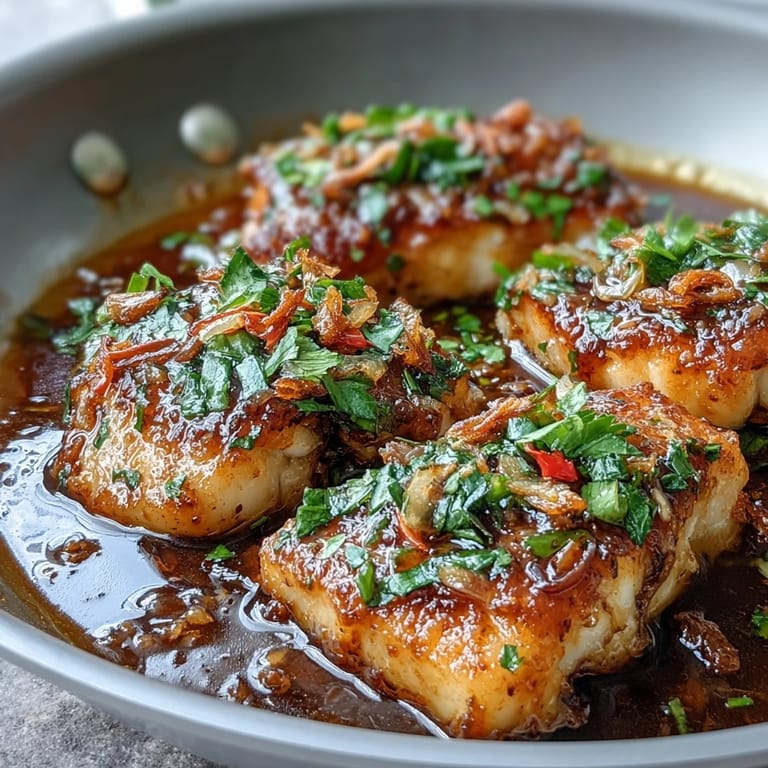
Last summer my neighbor dropped by unexpectedly while I had this simmering on the stove. She ended up staying for dinner and now requests this dish every time she comes over, bringing her own bottle of fish sauce because she claims I never buy the good stuff. The way the crispy shallots catch the light when you bring it to the table makes people think you labored for hours, which is a secret I keep to myself.
Ingredients
- White fish fillets: Cod, snapper, or tilapia work beautifully because they are mild enough to let the sauce shine but sturdy enough to handle the pan without falling apart
- Salt and pepper: Simple seasoning is essential because the fish itself needs a solid foundation before the bold sauce enters the picture
- Rice flour or cornstarch: This optional dusting creates the most delicate golden crust that keeps the fish from sticking while adding a satisfying texture contrast
- Vegetable oil: A neutral oil with a high smoke point ensures the fish gets properly golden without any bitter burned taste
- Fresh lime juice: Nothing bottled comes close to the bright acidity that cuts through the rich elements and makes each bite feel alive
- Fish sauce: This is the salty backbone that adds depth and umami, transforming lime juice from simple acid into a complex sauce
- Soy sauce: Use a good quality soy sauce or tamari to add another layer of savory depth and beautiful amber color to the final dish
- Honey or palm sugar: Just enough sweetness to balance the sharp acidity and heat, creating that perfectly rounded Thai flavor profile
- Fresh garlic, ginger, and chillies: The aromatic trio that builds layers of flavor, with the heat level completely under your control
- Fresh cilantro and crispy shallots: These garnishes are not optional because they provide the fresh herbal bite and textural crunch that make the dish complete
Tired of Takeout? 🥡
Get 10 meals you can make faster than delivery arrives. Seriously.
One email. No spam. Unsubscribe anytime.
Instructions
- Prepare the fish:
- Pat each fillet completely dry with paper towels, then season generously with salt and pepper on both sides. Lightly dust with rice flour or cornstarch if you want that extra golden crust that makes restaurant fish look so appealing.
- Sear to perfection:
- Heat your oil in a large non-stick skillet until it shimmers, then carefully place the fish in the pan. Let it cook undisturbed for 3-4 minutes until a golden crust forms, then flip gently and cook until the fish flakes easily.
- Whisk the magic sauce:
- While the fish rests, combine lime juice, fish sauce, soy sauce, honey, garlic, chillies, and ginger in a small bowl. The smell alone will tell you you are in for something special.
- Emulsify and pour:
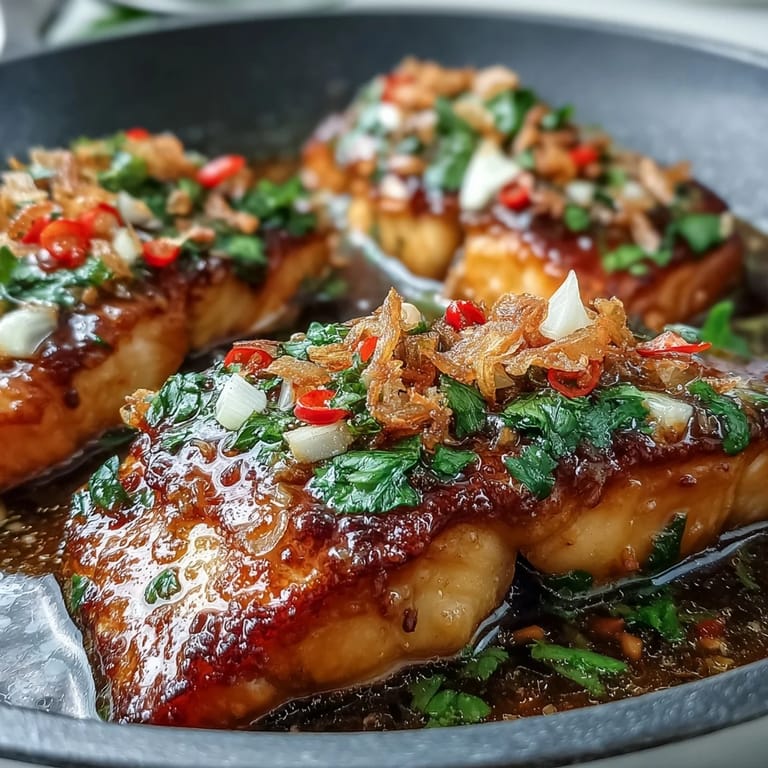
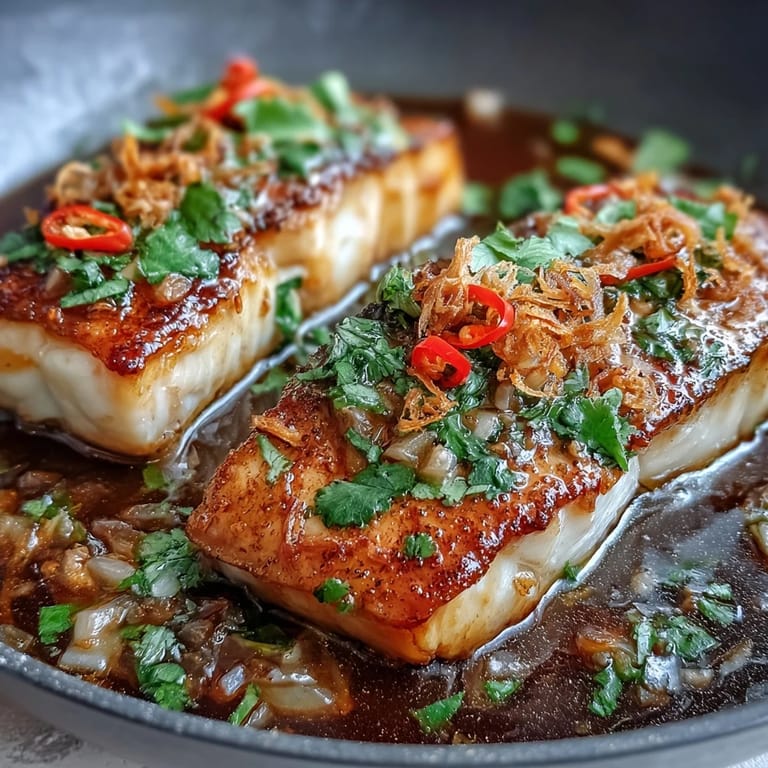
- Wipe out your skillet and pour in the sauce, letting it bubble for just one minute until the garlic mellows. Spoon the fragrant sauce over your waiting fish, watching it glisten as it coats every inch.
- Finish with flair:
- Scatter cilantro and crispy shallots over the top like confetti, then bring the whole beautiful platter to the table with extra lime wedges for squeezing. Serve immediately while the fish is still hot and the sauce is vibrant.
 Save It
 This recipe has become my dinner party secret because people assume it requires skills I definitely do not possess. There is something deeply satisfying about watching guests light up when they taste that first perfect bite of sauce-drenched fish.
Choosing the Right Fish
I learned the hard way that delicate fish like sole or very thin fillets will fall apart during the flipping process, leaving you with delicious fish chunks rather than the elegant presentation you were aiming for. Stick with fillets that have some substance and you will feel like a professional plating something worthy of a cooking magazine photo shoot.
Making Your Own Crispy Shallots
Store-bought crispy shallots are convenient, but making them at home fills your kitchen with an incredible aroma that makes neighbors wander over to see what you are cooking. Slice shallots as thinly as you possibly can, then fry them in shallow oil until they turn golden brown and drain on paper towels.
Perfecting the Heat Level
The beauty of this dish is that you control the spice completely based on who is sitting at your table. Start with one chilli and taste your sauce as you whisk it together, remembering that the heat will mellow slightly as it cooks.
- Remove all the seeds if you want just the flavor of chilli without the fire
- Add the chillies gradually because you can always put more in but you cannot take it out
- Remember that fish sauce already has a gentle kick that some sensitive eaters might notice
 Save It
 Some of the best meals I have ever shared were built around this simple fish and its vibrant sauce. There is something joyful about eating food that tastes both fresh and comforting at the same time.
Common Questions About Recipes
- → What type of fish works best?
White fish fillets like cod, snapper, tilapia, or halibut work beautifully. Choose firm, mild-flavoured fillets that hold their shape during pan-searing. The delicate flesh pairs perfectly with the bold, tangy sauce while maintaining its flaky texture.
- → Can I adjust the spice level?
Absolutely. Use one mild chilli or remove seeds completely for gentle warmth. Keep seeds and add a second bird's eye chilli for noticeable heat. The sauce can be made separately and tasted before pouring over the fish, allowing you to fine-tune the spice to your preference.
- → What sides complement this dish?
Fluffy jasmine rice soaks up the flavours beautifully. Steamed bok choy, broccoli, or snow peas add freshness. A crisp slaw with cucumber and carrots provides cooling contrast. For something heartier, serve over noodles or alongside coconut rice.
- → Can I make the sauce ahead?
The sauce ingredients can be whisked together up to a day in advance and stored refrigerated. Bring to room temperature before using, as the flavours meld and develop over time. However, the sauce tastes best when freshly warmed in the pan just before serving.
- → How do I know when the fish is done?
The fish is ready when it flakes easily with a fork and appears opaque throughout. Visual cues include golden-brown colouring on both sides (about 3-4 minutes per side depending on thickness). The internal temperature should reach 63°C (145°F) for safe consumption.
- → What can I substitute for fish sauce?
For a vegetarian version, use soy sauce or tamari with a pinch of salt. Miso paste mixed with a little water also provides depth. While the flavour profile will shift slightly, these alternatives still deliver the essential umami character.