 Save It
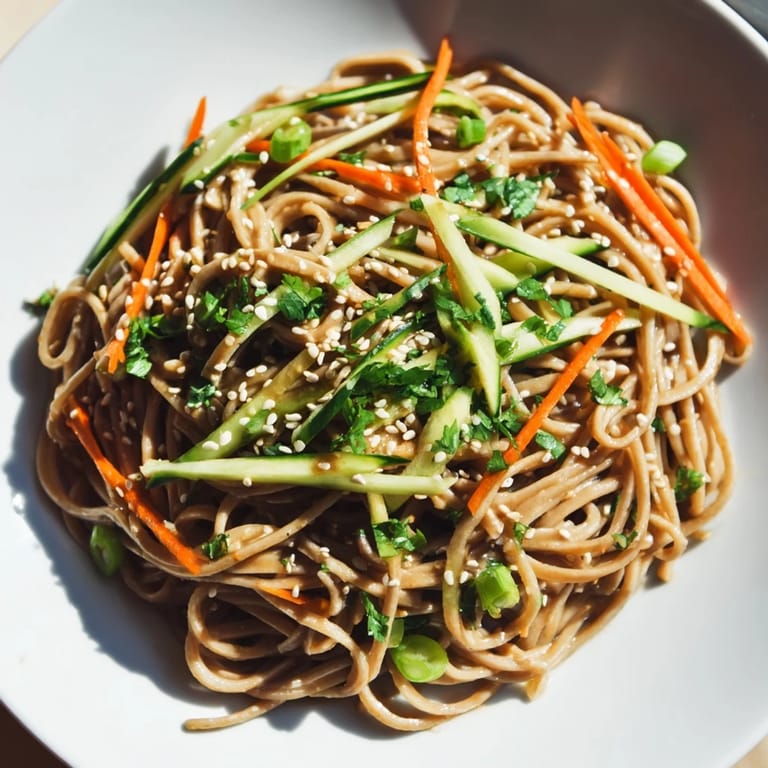
 There was a Tuesday afternoon when I realized I'd been buying the same sad desk lunch for two weeks straight, and something had to change. I grabbed whatever noodles were in the pantry, some vegetables that needed using, and a bottle of sesame oil, and suddenly this chilled noodle cup was born—the kind of dish that feels like a small rebellion against midday monotony. It's become my answer to "what should I actually eat for lunch," and it turns out the answer was something that takes barely longer than boiling water.
I made these for a friend who'd just started a new job and was stressed about eating well, and watching her actually finish the whole thing at her desk—no waste, no regret—made me realize this wasn't just convenient, it was genuinely delicious. There's something about a properly cold, properly seasoned noodle that just works, especially when you're trying to get through the afternoon without reaching for chips.
Ingredients
- Dried soba or rice noodles (200g): Soba has a subtle earthiness that pairs beautifully with sesame, but rice noodles work just as well if that's what you have—the cold water rinse is the real secret to preventing clumping.
- Soy sauce (3 tbsp): Low sodium keeps the sauce balanced enough that you can taste the sesame oil and vinegar, not just salt.
- Toasted sesame oil (2 tbsp): Don't skip the "toasted"—regular sesame oil tastes flat by comparison, and this is already a delicate dish.
- Rice vinegar (1 tbsp): The acid wakes everything up; use white vinegar if that's your only option, but rice vinegar's gentleness is worth seeking out.
- Honey or maple syrup (1 tsp): Just enough to round out the edges between salty, tangy, and spicy without making it dessert.
- Chili garlic sauce (1–2 tsp): Start with less—you can always drizzle more on your own bowl before eating, but you can't take it back once it's mixed.
- Cucumber, julienned (1 cup): The crispness matters; prep it close to assembly time so it doesn't weep into the noodles.
- Carrots, julienned (2 medium): They add natural sweetness and stay crisp even after a day in the container.
- Green onions, thinly sliced (2): A small detail that feels essential—they add sharpness that keeps the whole bowl from feeling heavy.
- Toasted sesame seeds (2 tbsp): Toast your own if you have time; they smell better and taste nuttier, but store-bought toasted ones work in a pinch.
- Fresh cilantro (1 tbsp): Optional, but if you're the kind of person who loves it, this is where it belongs.
Tired of Takeout? 🥡
Get 10 meals you can make faster than delivery arrives. Seriously.
One email. No spam. Unsubscribe anytime.
Instructions
- Cook and chill the noodles:
- Boil them according to the package, then drain and immediately rinse under cold running water until they're completely cool and any starch film washes away. Drain them well one more time so they don't sit in water.
- Build the dressing:
- Whisk soy sauce, sesame oil, rice vinegar, honey, and chili garlic sauce in a small bowl until the honey dissolves. Taste it before moving forward—this is your chance to adjust the spice level.
- Divide and layer:
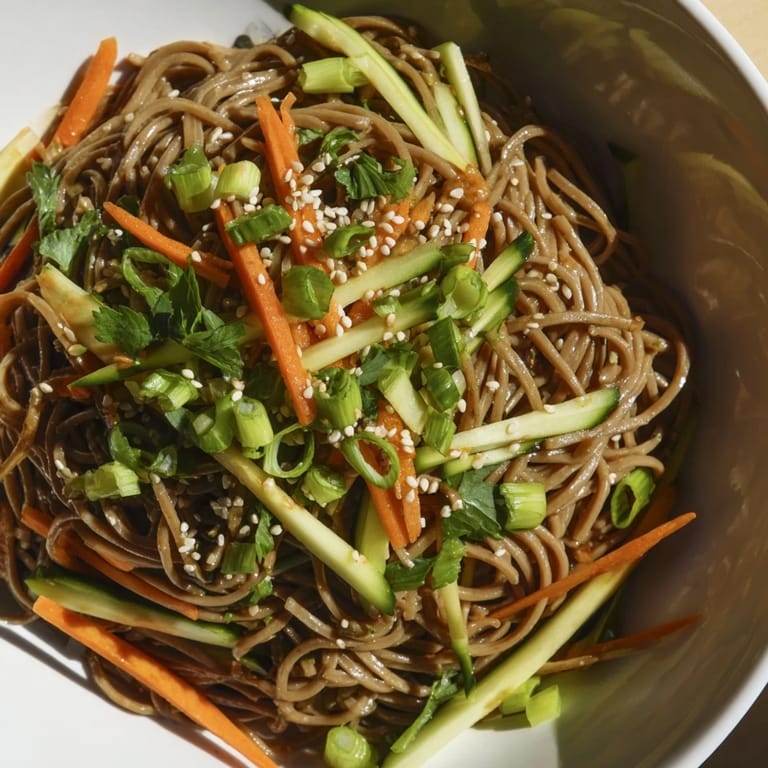
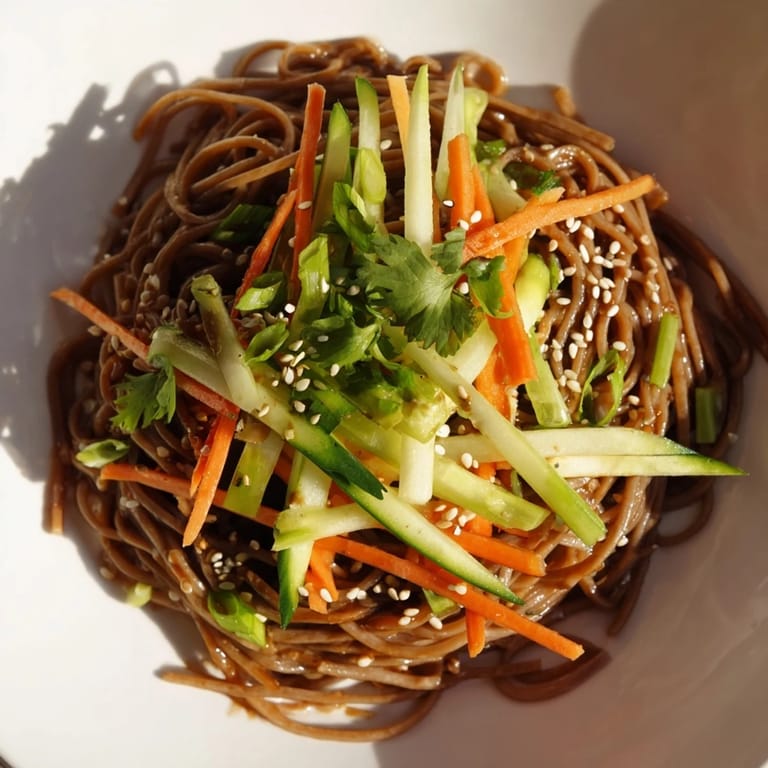
- Split the noodles evenly into four containers, then top each with cucumber, carrot, and green onion in any arrangement that makes you happy.
- Dress and finish:
- Pour the sauce over each cup, give everything a gentle toss to coat, then scatter sesame seeds and cilantro on top. Seal and refrigerate until lunch.
 Save It
 On a hot Saturday in July, I brought these to a picnic expecting them to be okay, and instead people kept asking if I could make them every week. Something about eating something cold and bright when the sun is beating down just feels civilized.
The Case for Meal Prep That Doesn't Feel Like Punishment
Most meal prep feels like an obligation you're checking off, but this one genuinely improves as it sits in the fridge. The noodles absorb the sauce, the vegetables soften just slightly, and each bite tastes more intentional than the last. It's the kind of lunch that makes you feel like you made a choice, not just grabbed whatever was convenient.
Customizing Without Overthinking It
The structure here is loose enough that you can swap almost anything in or out. Shredded cabbage instead of cucumber, bell peppers instead of carrots, cilantro swapped for mint—the sauce ties it all together. The only thing I'd say is non-negotiable is the sesame oil; without it, this stops being a dish and starts being sad desk salad.
Storage and Keeping Things Fresh
These hold up beautifully for three days, though by day two you might notice the cucumber softening slightly—that's actually fine, it means everything is getting to know each other better. If you're prepping more than four servings, keep the sauce separate and dress each cup right before eating for maximum crispness. One last thing: these are even better with a squeeze of fresh lime juice added right before eating.
- Store containers in the coldest part of your fridge, away from anything that smells strong.
- If noodles seem dry on day two, drizzle a tiny bit more sesame oil and give it a shake.
- Leftovers can be eaten cold straight from the container or reheated gently if you prefer warm noodles.
 Save It
 This is the lunch that made me realize meal prep doesn't have to be joyless, and it's now the thing I make when I want to feel organized and fed at the same time. Make it once and you'll understand why it's become my Tuesday answer to everything.
Common Questions About Recipes
- → What type of noodles works best?
Soba noodles or rice noodles work well as they hold sauce nicely and chill evenly without becoming mushy.
- → Can I prepare these noodles in advance?
Yes, the noodles chill well and the cups can be assembled ahead, making them perfect for meal prep.
- → How do I adjust the spice level?
Modify the amount of chili garlic sauce to suit your preference, starting with less and adding more gradually.
- → Are there good protein additions?
Adding cubed tofu, shredded chicken, or edamame boosts protein while complementing the flavors.
- → Can this dish be made gluten-free?
Use gluten-free tamari sauce and gluten-free noodles as substitutions to keep it gluten-free.