 Save It
 My neighbor showed up with a container of black-eyed peas from her garden one afternoon, and I wasn't sure what to do with them until she casually mentioned her grandmother's hummus trick. Turns out, those humble peas make something just as silky and satisfying as chickpea hummus, maybe even better because they have this subtle earthiness that sneaks up on you. I've been making it ever since, and it's become the thing people ask for at gatherings, which still surprises me because it takes barely any time at all.
I made this for a potluck where someone had forgotten the main dish, and this hummus somehow carried the whole thing. People were dipping vegetables into it like it was the most important dish on the table, and I kept thinking about how funny it is that the simplest things sometimes end up being exactly what everyone needed.
Ingredients
- Black-eyed peas (2 cups cooked): The star here, giving you creaminess and protein without any fussiness, whether you cook them fresh or use canned and rinsed.
- Tahini (1/3 cup): This is what makes it feel luxurious, so don't skip it or substitute with peanut butter even though you might be tempted.
- Extra virgin olive oil (2 tbsp): Use something you actually like tasting because it shows up in every bite.
- Fresh lemon juice (2 tbsp): Squeeze it fresh if you can because bottled changes the whole flavor profile.
- Garlic (1 clove, minced): Just one, because it's strong and you can always add more but you can't take it back.
- Ground cumin (1/2 tsp): This is the secret ingredient that makes people ask what's in it.
- Salt (1/2 tsp): Start here and taste as you go.
- Water (2–4 tbsp): Your tool for getting the texture exactly right, added slowly so you don't overshoot it.
Tired of Takeout? 🥡
Get 10 meals you can make faster than delivery arrives. Seriously.
One email. No spam. Unsubscribe anytime.
Instructions
- Get everything ready:
- Drain and rinse your canned peas, or use freshly cooked ones that have cooled slightly. Mince your garlic fine and measure out the tahini because once you start blending, you're committed.
- Build the base:
- Add peas, tahini, olive oil, lemon juice, garlic, cumin, and salt to your food processor. If your food processor is smaller, you might need to work in batches, which is fine.
- Blend until creamy:
- Pulse a few times, then blend for about a minute, stopping to scrape down the sides with a spatula. You're aiming for something smoother than chunky but still slightly textured if you like it that way.
- Adjust the texture:
- Add water one tablespoon at a time, blending between each addition until it looks like thick Greek yogurt or however creamy you want it. This is where patience saves you from a soupy disaster.
- Taste and season:
- This is important: taste it before you finish. Add more salt or squeeze of fresh lemon if it needs brightness.
- Serve with style:
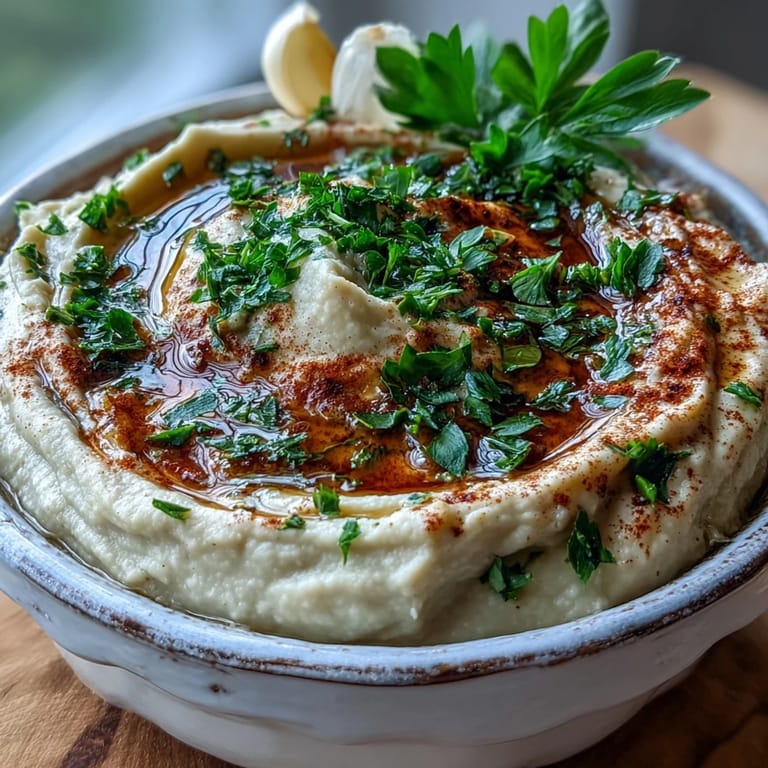
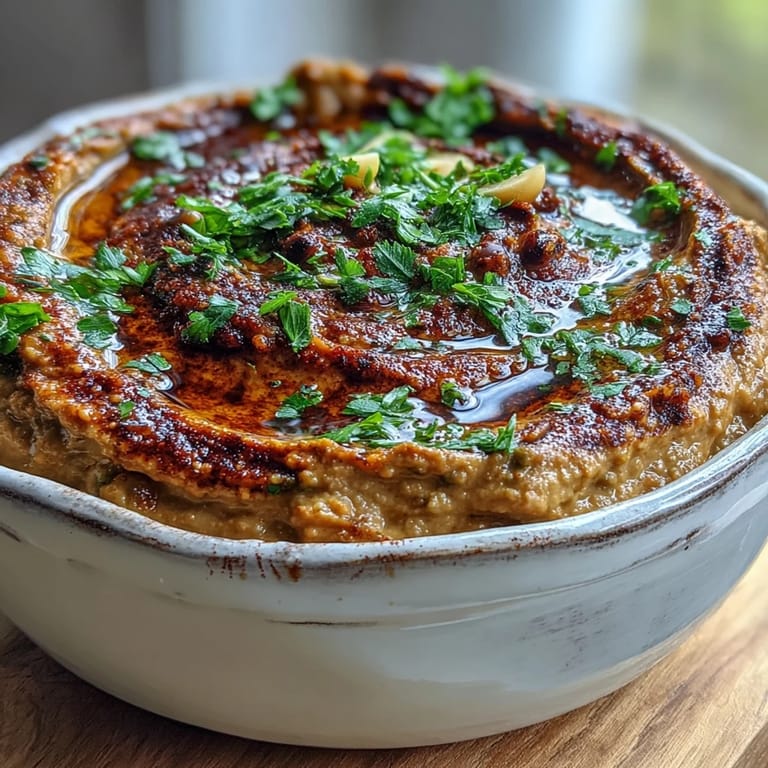
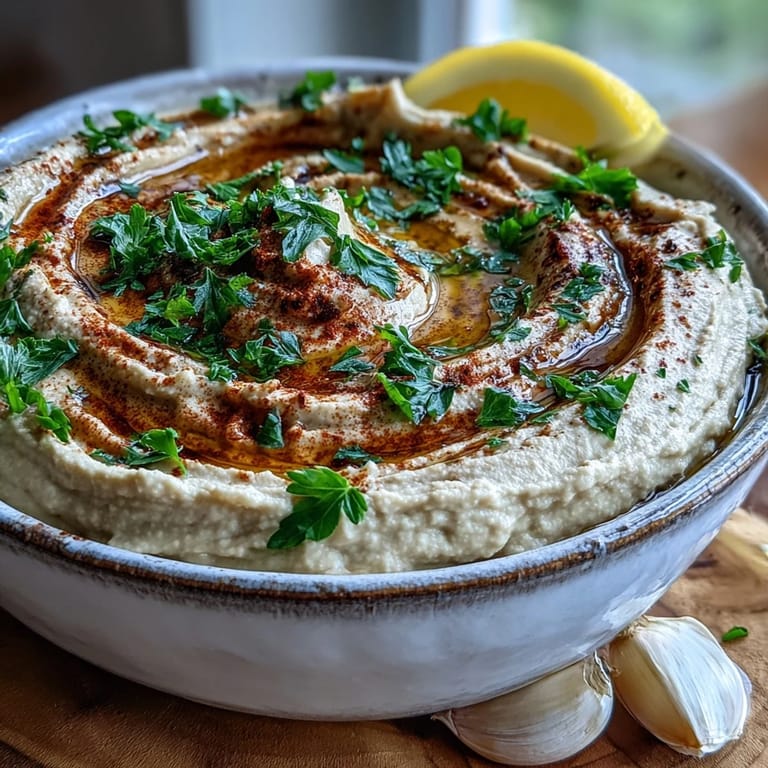
- Transfer to a bowl, drizzle with a little olive oil, and sprinkle paprika or sumac and fresh parsley on top if you want it to look like someone who knows what they're doing made it.
 Save It
 My daughter spread this on a sandwich one morning and asked if we could buy it, not realizing I'd made it the night before. That's when I knew it was officially good enough to stop being experimental and just be something we make all the time.
Why This Works Better Than You'd Think
Black-eyed peas are underrated in every way, and this recipe proves they belong in the hummus conversation. They blend into something almost buttery, and they don't have the beany taste that makes some people hesitate. The cumin brings out something warm and almost smoky that makes you reach for another spoonful without thinking about it.
Storage and Make-Ahead Wisdom
This keeps beautifully in the fridge for four days in an airtight container, and honestly it tastes even better the next day when all the flavors have gotten to know each other. If you want to make it ahead for a gathering, that's actually the smart move, and you can garnish it fresh right before people arrive.
Ways to Serve and Variations
I've learned that this hummus is a blank canvas for whatever you're in the mood for, and the beauty is that nothing requires cooking. Try smoked paprika if you want something deeper, or swap the lemon for lime if you're feeling adventurous and want brightness that leans slightly tropical. You can even thin it out with a bit more lemon juice and water to make a sauce for grain bowls or roasted vegetables.
- Fresh vegetables like carrots, bell peppers, and radishes are the obvious choice, but it's also stunning with grilled pita triangles or gluten-free crackers.
- If you're serving it at a party, make a little well in the center and pool your best olive oil there with a pinch of sumac for drama.
- Leftover hummus becomes a sandwich upgrade or the best base for a Buddha bowl you'll make on a random Tuesday.
 Save It
 This is the kind of recipe that makes you feel clever and generous at the same time, and it costs next to nothing to make. That combination is hard to beat.
Common Questions About Recipes
- → Can I use canned black-eyed peas?
Yes, canned black-eyed peas work perfectly. Simply drain and rinse them before adding to the food processor. One can typically equals about 2 cups of cooked peas.
- → How long does this keep in the refrigerator?
Store in an airtight container in the refrigerator for up to 4 days. The flavors may develop and intensify over time, making it even more delicious.
- → What can I serve with this spread?
Pair with fresh vegetables like carrots, cucumbers, and bell peppers. Warm pita bread, crackers, or use as a spread in sandwiches and wraps for added protein and flavor.
- → Can I make this without tahini?
Tahini provides the signature creamy texture and nutty flavor. While you could substitute with other nut butters, the taste profile will change significantly from the traditional version.
- → Is this suitable for meal prep?
Absolutely. This spread is excellent for meal prep as it maintains well in the refrigerator and actually tastes better after the flavors have time to meld together for a day or two.
- → How can I adjust the consistency?
Add water one tablespoon at a time while blending until you reach your desired creaminess. For a thicker spread, use less water. For a lighter dip, add more.