 Save It
 There's something magical about pasta that comes together in the time it takes to pour a glass of wine. One Tuesday evening, I stood at my stove with nothing but butter, garlic, and cream in my pantry, convinced dinner was impossible. Fifteen minutes later, I was twirling silky ditalini on my fork, the kind of meal that tastes like it took hours but asks almost nothing of you. This dish became my weeknight salvation, the one I make when time is tight but my appetite isn't.
I'll never forget cooking this for my partner on a night when we were both exhausted, the kitchen barely lit, and somehow it turned a rough day completely around. The smell of garlic hitting hot butter filled our small apartment, and by the time we sat down ten minutes later, everything felt manageable again. That's when I realized this wasn't just pasta—it was the kind of simple magic that belongs on every weeknight rotation.
Ingredients
- Ditalini pasta (300 g): These tiny tubes are perfect for catching sauce in every bite, but any small pasta shape works beautifully if that's what you have.
- Unsalted butter (2 tbsp): This is your flavor foundation, so use good butter if you can—it makes a noticeable difference in the final taste.
- Garlic (4 cloves, finely minced): Mince it fine so it melts into silky strands rather than sitting in chunks; you want it to become part of the sauce.
- Heavy cream (200 ml): This is what transforms simple butter and garlic into something luxuriously coating.
- Whole milk (100 ml): The milk balances the cream, keeping the sauce from being too rich while maintaining that silky texture.
- Parmesan cheese (80 g, finely grated, plus extra): Grate it yourself from a block if possible—pre-grated cheese contains anti-caking agents that keep it from melting as smoothly.
- Freshly ground black pepper (1/2 tsp) and red pepper flakes (1/4 tsp, optional): The pepper is essential for brightness; the flakes add a gentle heat if you want a whisper of spice.
- Fresh parsley (2 tbsp, chopped, optional): It's optional, but the green against the cream sauce makes the bowl look like something you'd want to photograph.
- Salt (1 tsp for pasta water): Don't skimp here—salty pasta water seasons everything that comes after.
Tired of Takeout? 🥡
Get 10 meals you can make faster than delivery arrives. Seriously.
One email. No spam. Unsubscribe anytime.
Instructions
- Boil the pasta with intention:
- Fill your pot with water, salt it generously, and bring it to a rolling boil that sounds alive. Add the ditalini and stir occasionally as it cooks, checking a minute or two before the package says it's done—you want it al dente, with just a slight resistance when you bite. Before draining, measure out and reserve a cup of that starchy pasta water; it's liquid gold for loosening the sauce later if needed.
- Bloom the garlic in butter:
- In the same pot (no need to wash), melt the butter over medium heat and watch for it to turn foamy. Add the minced garlic and listen for that soft sizzle, stirring constantly for about a minute until it becomes fragrant and turns pale golden—stop before it browns or it'll taste bitter and wrong.
- Build the sauce base:
- Pour in the heavy cream and milk together, stirring to combine smoothly. Let it heat until small bubbles form around the edges, then adjust to a gentle simmer where the surface just trembles—this takes another minute or two.
- Reunite pasta and sauce:
- Add the drained ditalini back to the pot and stir until every piece is coated. This is where the transformation happens, where you can almost feel the dish coming together.
- Add the Parmesan with patience:
- Sprinkle the finely grated cheese in gradually while stirring constantly—this prevents clumping and ensures a silky, creamy sauce. If it ever looks too thick, add a splash of reserved pasta water and stir until it loosens to exactly the consistency you want.
- Season and serve immediately:
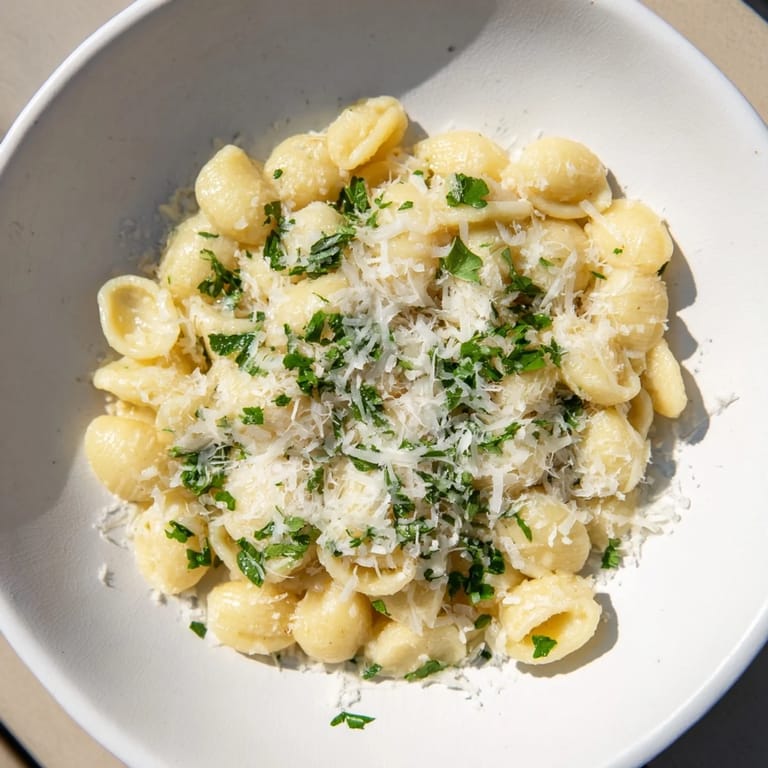
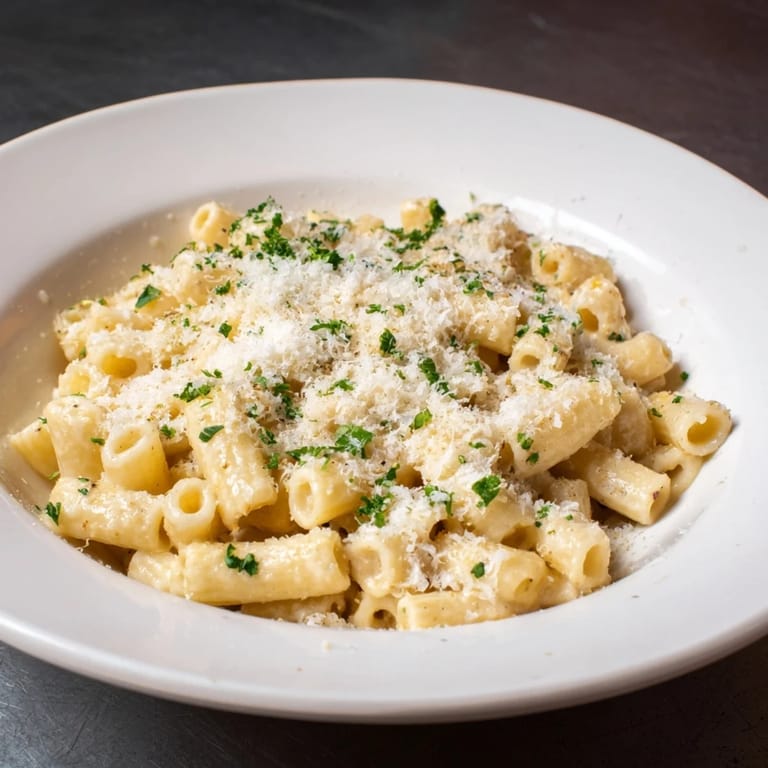
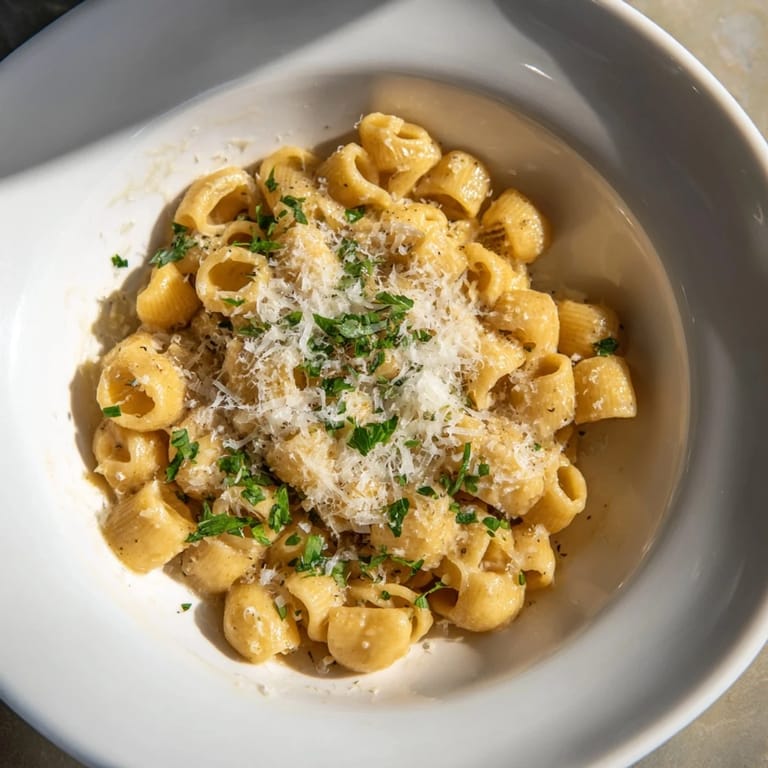
- Crack fresh pepper over the top, add red pepper flakes if you like, and taste to adjust. Serve right away into bowls, finishing with a snowfall of extra Parmesan and a scatter of fresh parsley if you have it.
 Save It
 What strikes me most about this dish is how it rewrites the narrative of a busy weeknight. There's no scrambling, no calling in takeout favors, just calm competence in the kitchen and a bowl of genuinely delicious food ready faster than you'd believe. That matters more than any elaborate recipe ever could.
Why This Pasta Works
The beauty of a creamy garlic sauce is that it asks very little but delivers generously. The butter gives warmth, the garlic gives soul, and the cream gives you that silky finish that makes simple pasta taste restaurant-quality. This isn't fancy cooking—it's honest cooking, the kind where every ingredient has a job and none of them are wasted.
Making It Your Own
Once you understand the bones of this recipe, it becomes endlessly flexible. Some nights I add a squeeze of lemon juice at the very end, letting the brightness cut through the richness in the most elegant way. Other times I'll toss in some crispy breadcrumbs on top, or a pinch of fresh thyme if I'm feeling it. The sauce is forgiving enough to handle your experiments.
The Finishing Touch
The most important moment is right at the end, when the pasta is still steaming and the sauce is still silky. This is when you taste, adjust, and serve immediately to waiting plates. The Parmesan snow on top isn't just garnish—it's the final layer of flavor that makes someone at the table pause and say, "This is really good."
- If your sauce breaks or looks grainy, a splash of cold milk whisked in quickly can save it.
- Leftover pasta can be gently reheated with a little extra cream or milk, though it's honestly best eaten fresh.
- A crisp white wine like Pinot Grigio alongside this is the kind of pairing that makes an ordinary Tuesday feel special.
 Save It
 This is the kind of recipe that slides into your regular rotation and never really leaves. It asks nothing, delivers everything, and somehow makes you feel like a capable cook even on nights when you barely have energy to show up.
Common Questions About Recipes
- → What pasta works best for this dish?
Small shapes like ditalini, elbow macaroni, or small shells hold the creamy sauce well and cook quickly.
- → Can I substitute the cream with a lighter option?
Yes, half-and-half can replace heavy cream for a lighter sauce with slightly less richness.
- → How do I prevent the sauce from becoming too thick?
Use reserved pasta water gradually to thin the sauce to your desired consistency while stirring.
- → What adds extra flavor before serving?
A squeeze of lemon juice brightens the dish and complements the creamy Parmesan sauce.
- → Is this dish suitable for vegetarians?
Yes, it contains no meat and features dairy and pasta, aligning with vegetarian preferences.
- → How should leftovers be stored?
Store in an airtight container in the refrigerator for up to 2 days. Reheat gently to maintain creaminess.