 Save It
 I discovered this dish on a sticky summer evening in a friend's kitchen in Hanoi, watching her mother work a wok with the kind of practiced ease that made everything look effortless. The chicken caught the caramel at just the right moment, and the whole pan seemed to shimmer—amber, glossy, alive. I've chased that exact shimmer ever since, and now it's become one of those recipes I make when I want to feel like I'm cooking something that matters, even if it's just a weeknight dinner.
My partner once burned the caramel stage completely while I was distracted by a phone call, and instead of starting over, she just threw the chicken in anyway. I expected disaster, but somehow the browned bits added a deeper, almost nutty complexity that we've never quite replicated since—which is both frustrating and kind of wonderful.
Ingredients
- Boneless, skinless chicken thighs (800 g): Thighs stay juicy where breasts dry out, and they soak up the caramel glaze like a dream—don't skimp on this choice.
- Fish sauce (3 tbsp): The backbone of the whole thing; it smells funky raw but transforms into pure umami depth.
- Light soy sauce (2 tbsp): Adds saltiness and a subtle depth without overpowering the delicate balance.
- Brown sugar (2 tbsp): Rounds out the marinade with gentle sweetness that preps the chicken for the caramel stage.
- Lime juice (1 tbsp): A squeeze of brightness that cuts through the richness and lifts everything.
- Minced garlic (2 tsp): Use fresh; jarred just doesn't sing the same way here.
- Freshly ground black pepper (1 tsp): Grind it yourself if you can—it makes a real difference in the final taste.
- Vegetable oil (1 tbsp): For the pan after the caramel sets; neutral oil keeps the focus on the sauce.
- Granulated sugar (4 tbsp): This is what becomes that glossy amber coating—treat it with respect.
- Water (3 tbsp): Just enough to help the sugar melt evenly before caramelizing.
- Spring onions (2), thinly sliced: A fresh, sharp finish that wakes up the whole plate.
- Red chili (1, optional): Slice it thin if you want heat without overpowering the delicate balance.
- Fresh coriander leaves: A small handful scattered on top adds herbaceous brightness.
Tired of Takeout? 🥡
Get 10 meals you can make faster than delivery arrives. Seriously.
One email. No spam. Unsubscribe anytime.
Instructions
- Marinate the chicken:
- Toss your chicken pieces with fish sauce, soy sauce, lime juice, garlic, and black pepper in a bowl, then let it sit for at least 15 minutes while you gather your focus and prepare everything else. This isn't just about flavor—it's giving the chicken time to relax and absorb the aromatics.
- Make the caramel:
- Pour sugar and water into a large skillet or wok over medium heat and do not stir—just watch as the mixture turns from clear to pale gold to deep amber, which takes about 4 to 5 minutes. This is the moment where you learn patience; walk away and you'll burn it, hover too anxiously and you'll second-guess yourself, but stay present and you'll catch the exact moment it smells toasted and looks like liquid topaz.
- Combine chicken and caramel:
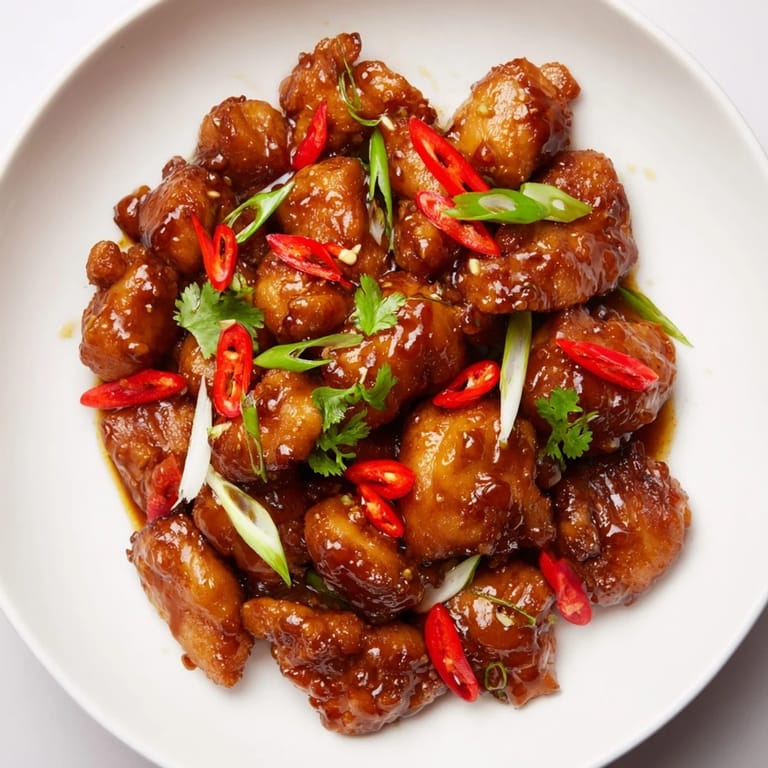
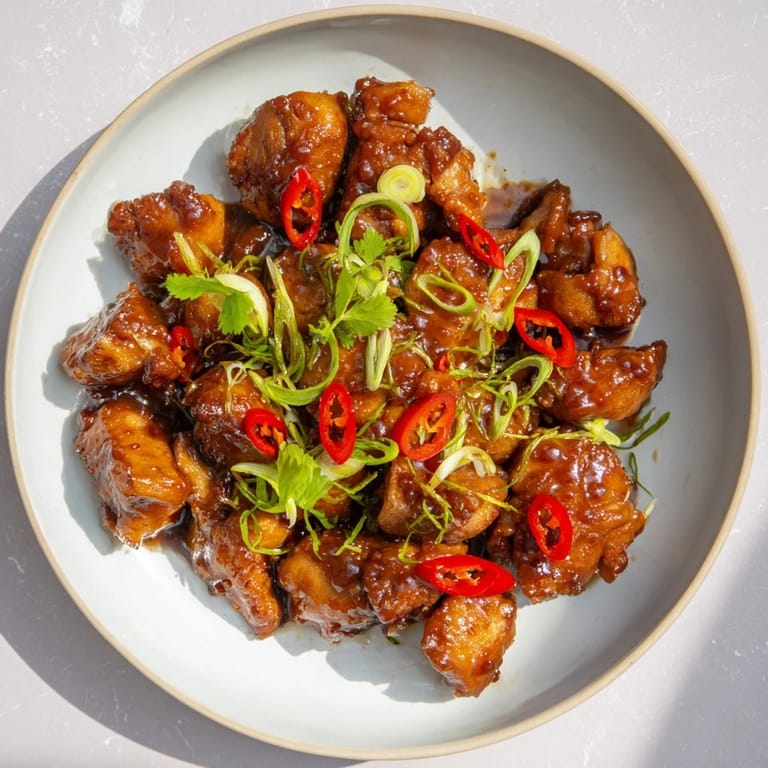
- The second your caramel reaches that deep amber color, add the marinated chicken and all its juices straight in—the sizzle is part of the magic. Toss everything quickly but gently to coat each piece in that glossy amber coat.
- Cook to sticky perfection:
- Add the vegetable oil and increase heat to medium-high, stirring occasionally for 8 to 10 minutes until the chicken is cooked through and the sauce thickens into something that clings to the meat rather than pooling at the bottom. You'll know it's done when it looks glossy and sticky, not wet.
- Taste and adjust:
- A quick taste tells you everything—if it needs more salt, add a touch more fish sauce; if it's too rich, a squeeze of lime juice brings it back into balance. This is where you start to understand how the dish speaks to you.
- Serve:
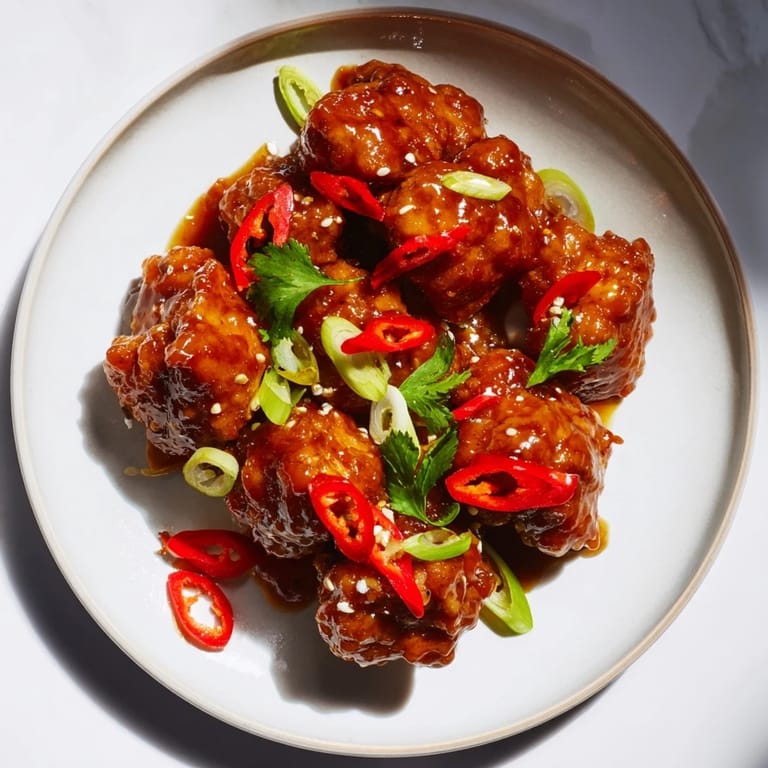
- Transfer to a serving plate, scatter spring onions, chili if using, and fresh coriander across the top, and bring it to the table while it's still hot and glossy. Serve alongside steamed jasmine rice to soak up every drop of that caramel.
 Save It
 The first time I made this for a dinner party, I served it family-style with jasmine rice, and watching people's faces when they tasted that first bite—when the savory and sweet and umami all hit at once—reminded me why cooking for others matters. It wasn't fancy or complicated, but it was honest and delicious, and somehow that's everything.
The Science of Caramel
Caramel is just sugar at its melting point, turning from crystalline to liquid, and the deeper the color the more complex the flavor—but there's a razor-thin line between deep amber and burnt carbon. The trick isn't fancy technique; it's presence and trust in what you're seeing and smelling. Once you understand that heat transforms sugar without needing your permission, you stop being afraid of it.
Why Thighs Matter Here
Chicken breast has its place, but thighs are forgiving in a way that matters when you're working with high heat and a glossy sauce. They stay moist because of their natural fat content, and that fat actually helps the caramel cling and coat evenly. I've made this with breast meat when I've had to, and while it works, thighs are where this dish really sings.
Building Layers of Flavor
This dish works because it doesn't rely on a single source of flavor—instead it layers them. The marinade softens and seasons the chicken, the caramel adds sweetness and depth, the fish sauce brings umami, and the lime juice at the end lifts everything into balance. It's a lesson in restraint and intention that applies to so much more than just cooking.
- Don't skip the lime juice at the end; it's the thing that makes people say, "What is that?" in the best way possible.
- If you want more heat, fresh chili on top works better than adding it to the sauce, which would throw off the delicate balance you've been building.
- Serve it hot with jasmine rice, because the rice soaks up the glossy sauce in a way that feels almost luxurious.
 Save It
 This is the kind of dish that reminds you cooking doesn't have to be complicated to be memorable. Make it, share it, and let the flavors do the talking.
Common Questions About Recipes
- → What cut of chicken works best for this dish?
Boneless, skinless chicken thighs are preferred for their tenderness and flavor, but chicken breasts can be used for a leaner option.
- → How do I make the caramel without burning it?
Heat sugar and water over medium heat without stirring, letting it dissolve and turn deep amber. Watch closely to prevent burning, about 4-5 minutes.
- → Can I adjust the spiciness?
Yes, add more sliced chili or chili flakes to increase heat according to your preference.
- → What side dishes complement this dish?
Steamed jasmine rice is traditional and helps balance the rich, sticky glaze, while light green tea or crisp white wine pairs well as beverages.
- → Are there any allergen concerns?
This dish contains fish sauce and soy sauce; check labels for gluten if sensitive or allergic.