 Save It
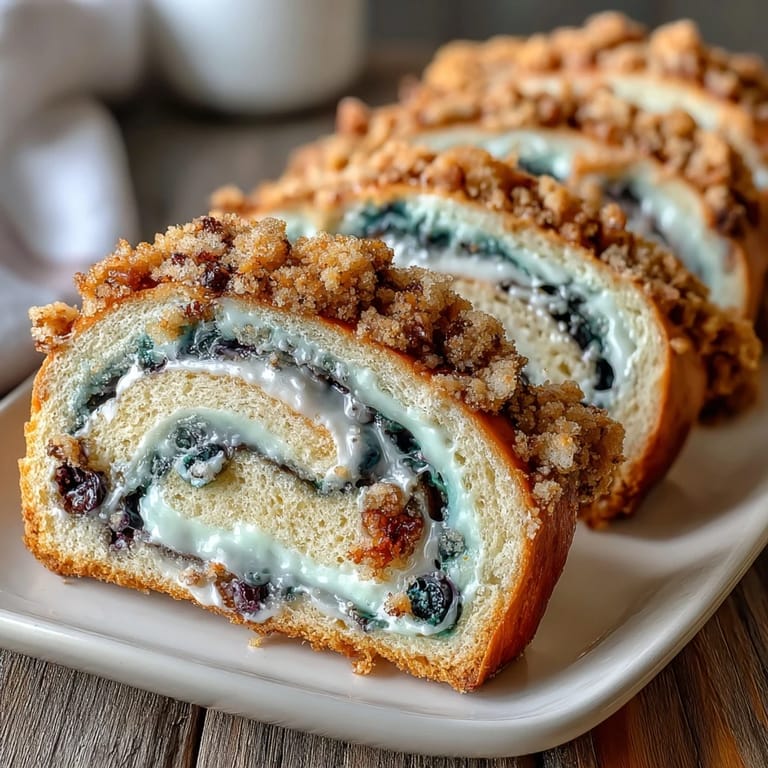
 There's something almost magical about the moment when sourdough starter bubbles to life in your bowl, and that's exactly what drew me to create this lemon blueberry swirl loaf on a whim one early summer morning. I'd been craving something that tasted like sunshine and tartness at the same time, and the idea of tangy sourdough paired with bright berries just clicked. The first loaf I made was more accident than intention—I had leftover blueberry compote and a hungry house to feed—but the golden crumble top that emerged from the oven felt like the universe was telling me I'd found something special.
My neighbor stopped by mid-bake one afternoon, and the smell of this loaf cooking with that buttery crumble top melting into the crevices completely derailed her grocery plans—she asked for the recipe before it even cooled. That's when I realized this wasn't just good bread; it was the kind of thing that makes people linger in your kitchen, asking questions and planning their own batch.
Ingredients
- Bread flour (350 g): The higher protein content gives you that beautiful structure sourdough is known for, creating an open crumb that stays tender rather than dense.
- Active sourdough starter (75 g): This is your flavor foundation—make sure yours is bubbly and fed a few hours before mixing, or you'll miss the tangy complexity that makes this loaf distinctive.
- Granulated sugar (60 g): Just enough to balance the tartness and feed your yeast without making this taste like dessert bread.
- Egg (1 large): Acts as a binder and contributes to that tender crumb and golden top when you brush it on before baking.
- Whole milk (120 ml), lukewarm: Brings richness and helps activate your starter gently; cold milk will slow fermentation, so warm it slightly before mixing.
- Unsalted butter (60 g), softened: Added gradually during mixing to ensure even incorporation and a silky dough texture.
- Fine sea salt (1 tsp): Enhances flavor and controls fermentation speed—don't skip this even though it seems small.
- Lemon zest (1 large lemon): Fresh zest matters here because the oils are what carry that bright, citrus punch through every bite.
- Fresh or frozen blueberries (200 g): Use fresh if possible for the best texture, though frozen works in a pinch without thawing.
- Blueberry swirl sugar and cornstarch: The cornstarch prevents your swirl from leaking into the crumb, keeping the layers distinct and beautiful when sliced.
- Lemon juice (1 tbsp): Sharpens the berry flavor and works with cornstarch to gel the filling properly.
- All-purpose flour (50 g) for crumble: Creates the tender, craggy texture that catches the light as it bakes golden brown.
- Cold butter (30 g), cubed for crumble: Must stay cold so it creates pockets that puff up during baking—don't let it warm up or you'll get a dense topping.
- Light brown sugar (30 g): Adds subtle molasses notes that complement both lemon and blueberry without overpowering.
Tired of Takeout? 🥡
Get 10 meals you can make faster than delivery arrives. Seriously.
One email. No spam. Unsubscribe anytime.
Instructions
- Build your dough base:
- In your stand mixer bowl, combine the bread flour, sugar, salt, and lemon zest, letting those fragrant oils distribute evenly throughout. This separate mixing step ensures your dry ingredients are already friends before you introduce the wet components.
- Create the initial mix:
- Add your bubbly sourdough starter, egg, and lukewarm milk, letting the mixer pull everything into a shaggy dough that looks rough but smells incredible. You'll feel the transformation happen in real time as the gluten begins organizing itself.
- Incorporate butter with patience:
- Add your softened butter in small pieces while mixing on low speed, watching as what seemed impossible—butter in dough—gradually becomes silky and smooth over about 8-10 minutes. The dough will go through a wet, greasy phase before it suddenly pulls together into an elastic ball; trust that this is exactly what should happen.
- First rise (bulk fermentation):
- Place your dough in a lightly greased bowl, cover it loosely, and let it rise in a warm spot until it's roughly doubled in volume, about 2 hours. If your kitchen is cool, place it in your oven with just the light on, or near a sunny window where it can catch warmth.
- Prepare the blueberry swirl:
- While dough rises, combine your fresh blueberries with sugar and lemon juice in a saucepan over medium heat, letting them bubble and burst until they release their juices in about 5 minutes. Stir in cornstarch and simmer another 2-3 minutes until the mixture thickens enough to coat the back of a spoon, then spread it on a plate to cool completely so it doesn't warm your dough later.
- Make the crumble topping:
- In a small bowl, toss together all-purpose flour, brown sugar, and salt, then cut in your cold cubed butter using a fork or your fingertips until it resembles coarse breadcrumbs. Pop it in the fridge so it stays cold and crispy when it hits the oven.
- Shape your swirl:
- Punch down your risen dough on a lightly floured surface and roll it into a rectangle roughly 10x14 inches, working gently to avoid deflating all your hard-won air pockets. Spread your completely cooled blueberry mixture over the dough, leaving about a 1-inch border around the edges to prevent leaking.
- Roll and pan:
- Starting from one of the short sides, roll your rectangle up tightly like you're creating a cinnamon roll, then place it seam-side down in your greased 9x5-inch loaf pan. The seam facing down keeps everything sealed and creates that beautiful spiral you'll see when you slice it.
- Final proof:
- Cover loosely and let it rise again until puffy and risen above the pan edges, about 1 hour, checking that it's not over-proofing or it'll be too open and crumbly. You want it puffy but still with some structure when it goes into the oven.
- Top and bake:
- Preheat your oven to 350°F (175°C), then brush the loaf lightly with milk or beaten egg if you want extra shine, and scatter your cold crumble topping evenly across the top. Bake for 50-55 minutes, tenting with foil halfway through if the top is browning too aggressively and you're worried about burning before the inside sets.
- Cool with restraint:
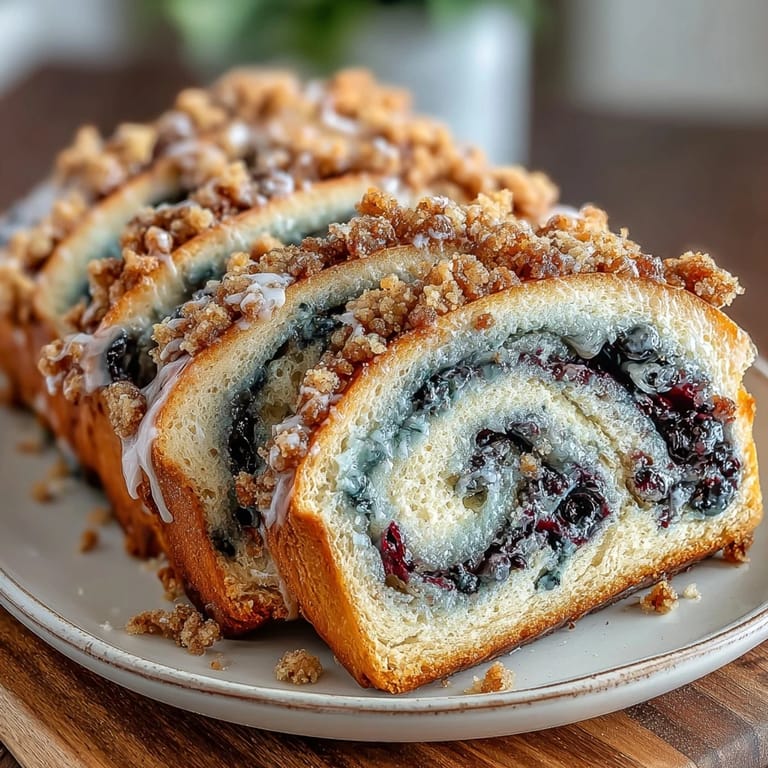
- Let the loaf rest in the pan for 15 minutes to set slightly, then turn it out onto a wire rack to cool completely before slicing. Slicing warm bread is tempting but it'll squash; waiting rewards you with clean, beautiful slices that show off your swirl.
 Save It
 The first time someone told me my sourdough loaf was the reason they woke up early just to have it for breakfast, I understood that baking is really about small moments of joy shared with others. This loaf, with its bright flavors and humble crumble crown, became that kind of bread in my house.
Why Sourdough Starter Is Your Secret Weapon
The sourdough starter adds a subtle tang that traditional sweet breads lack, and those wild yeast cultures work slower than commercial yeast, which means the dough develops flavor complexity while you go about your day. The longer fermentation also creates natural enzymes that break down starches, making the bread easier to digest and keeping it moist for days. This is why day-old slices taste even better than the first day—the flavor is still developing on your counter.
The Blueberry Swirl Technique That Prevents Sogginess
Raw blueberries would release juice directly into your dough and create a soggy, purple mess, so cooking them first with cornstarch gels the filling and prevents it from weeping into the crumb. The lemon juice added during cooking not only brightens the berries but also works chemically with the cornstarch to help it set properly. This step is what makes the difference between a loaf that looks beautiful when sliced and one that crumbles into berry jam.
Timing, Temperature, and the Golden Top
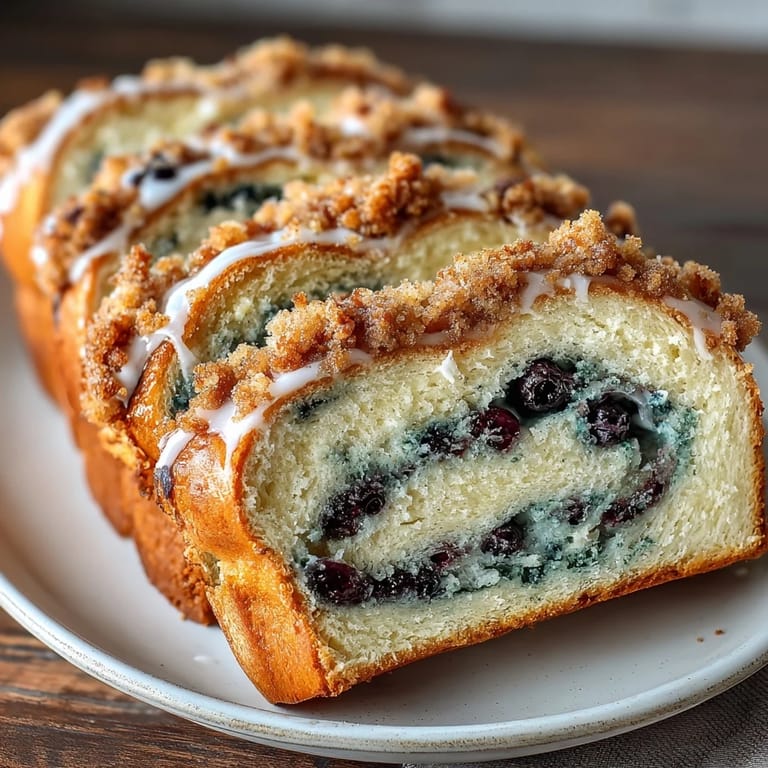
Baking at 350°F keeps the crumble from burning while giving the inside time to set, and the foil tent after 30 minutes is your safety net when things are browning too fast. A kitchen thermometer inserted into the center should read around 200-205°F when you're done, but honestly, the aroma and golden color are usually your best guides. If you want to push the lemon flavor even further, a simple glaze made from lemon juice and powdered sugar drizzled on while the loaf is still slightly warm adds a finishing touch that makes people think you've been doing this forever.
- Fresh lemon zest in the dough itself is non-negotiable for that bright, fresh flavor that frozen zest simply cannot deliver.
- Always cool your loaf completely before slicing because warm crumb will compress and tear instead of creating clean pieces.
- This loaf keeps beautifully wrapped at room temperature for 3 days and actually tastes better on day two as flavors settle and meld.
 Save It
 There's genuine magic in pulling a warm loaf from the oven that you shaped with your own hands, and this particular bread has a way of making people grateful they walked into your kitchen. Slice it thick, serve it with good butter or cream cheese, and let the lemon and blueberry do what they do best—remind you why simple, honest baking matters.
Common Questions About Recipes
- → Can I use frozen blueberries for the swirl?
Yes, frozen blueberries work well and can be used without thawing. They release juice upon cooking, which helps create a flavorful swirl.
- → How can I enhance the lemon flavor?
Adding a lemon glaze drizzle after baking boosts vibrant citrus notes, complementing the lemon zest inside the loaf.
- → What is the best way to shape the loaf?
Roll the risen dough into a tight log after spreading the blueberry mixture evenly, then place seam-side down in the loaf pan for even rising and baking.
- → How long should the dough rise before baking?
The dough needs about 2 hours for the first rise until doubled and an additional hour after shaping for a puffy texture before baking.
- → What gives the crumble topping its texture?
The cold butter cut into flour and sugars creates coarse crumbs that bake into a crunchy, golden topping adding contrast to the soft loaf.