 Save It
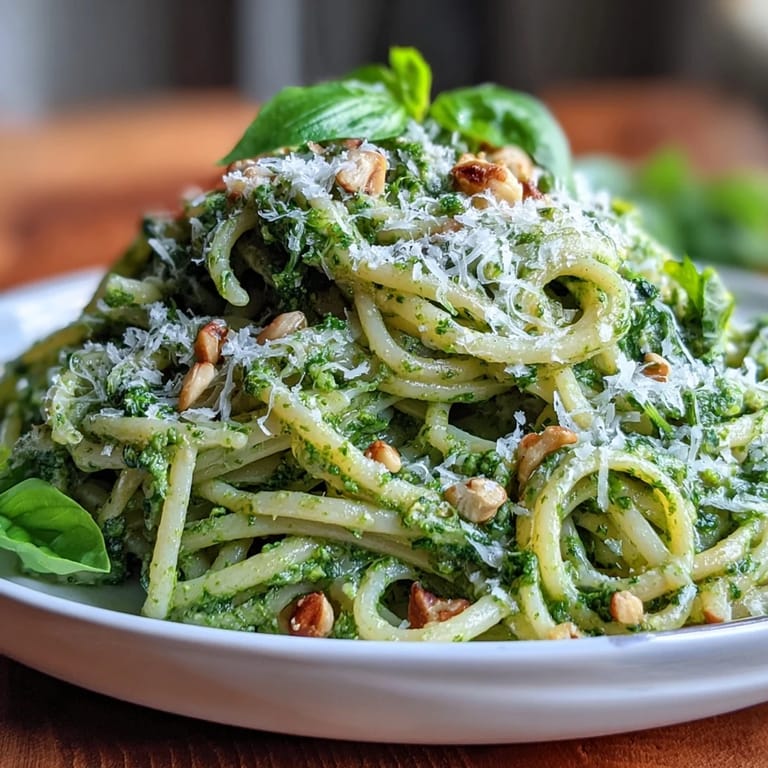
 The first time I made lemon pesto pasta, the kitchen was bursting with the sharp scent of lemon zest and fresh basil—it made me instinctively breathe in a little deeper. Sometimes recipes arrive in my life at the perfect moment, and this one landed on a day that needed brightness. I remember the satisfying pop of pine nuts as I toasted them, and the sunlight slanting in while I squeezed juice from an especially juicy lemon. Quick, vibrant meals often signal a shift toward warmer weather, and this pasta became a kind of unofficial kickoff to every summer in my home. Even now, just prepping the ingredients feels like starting a tiny celebration.
Last year, the kitchen filled up with unexpected guests after an impromptu hike, and I remember tossing this pasta together while listening to half-finished stories and the click of forks setting the table. Even my most herb-skeptical friend asked for seconds, and I almost missed the cicadas outside because everyone was too busy marveling at how the lemon brought the basil alive.
Ingredients
- Linguine or Spaghetti: I usually reach for linguine because it clings to the silky pesto, but any long pasta works if you keep it al dente.
- Fresh Basil Leaves: Don't skimp here—the more vibrant and deeply green, the more fragrant your pesto will be.
- Pine Nuts: Lightly toasting these releases their sweet, nutty aroma; just don't wander away or they'll burn before you notice.
- Freshly Grated Parmesan Cheese: Grate it yourself for the best melt; the nutty sharpness is worth the extra minute.
- Garlic Cloves: Two cloves add a mellow kick without overpowering the lemon, but you can adjust if raw garlic is too bold for you.
- Lemon Zest: The zest truly makes the dish sing; use a microplane to avoid bitter pith.
- Lemon Juice: Freshly squeezed brings that crucial tart brightness no bottled substitute matches.
- Extra-Virgin Olive Oil: Choose a fruity or mild one—this is where most of the sauce's silkiness comes from.
- Salt and Freshly Ground Black Pepper: Seasoning as you go ensures each bite is balanced and lively.
- Extra Parmesan Cheese, Lemon Zest, and Fresh Basil Leaves (for garnish): These tiny touches elevate the finished plate and bring back the aromas of all your careful prep.
Tired of Takeout? 🥡
Get 10 meals you can make faster than delivery arrives. Seriously.
One email. No spam. Unsubscribe anytime.
Instructions
- Bring Water to a Boil:
- Fill a large pot with salted water—when it rattles with rolling bubbles, it's pasta time. Toss in the pasta and keep an eye on it, testing for al dente texture by tasting a strand near the end of cooking.
- Gather and Prepare Pesto Ingredients:
- While the pasta cooks, lay out your basil, pine nuts, Parmesan, garlic, lemon zest, and juice. Toast the pine nuts over medium heat until just fragrant and golden—you’ll smell when they’re ready.
- Blend the Pesto:
- Add all the pesto ingredients except olive oil to your food processor. Pulse a few times until the mixture is finely chopped but not pureed, then slowly drizzle in olive oil while running the machine until you have a luscious, slightly textured sauce.
- Season and Taste:
- Stop to taste the pesto—now’s the moment to adjust salt, pepper, or lemon for balance. It should taste bright, creamy, and just a little tangy on the tongue.
- Combine Pasta and Pesto:
- Drain the pasta, reserving some cooking water, and toss it back in the pot. Stir through the pesto with a splash of that water, letting it coat every strand and adding more as needed for a glossy sauce.
- Finish and Serve:
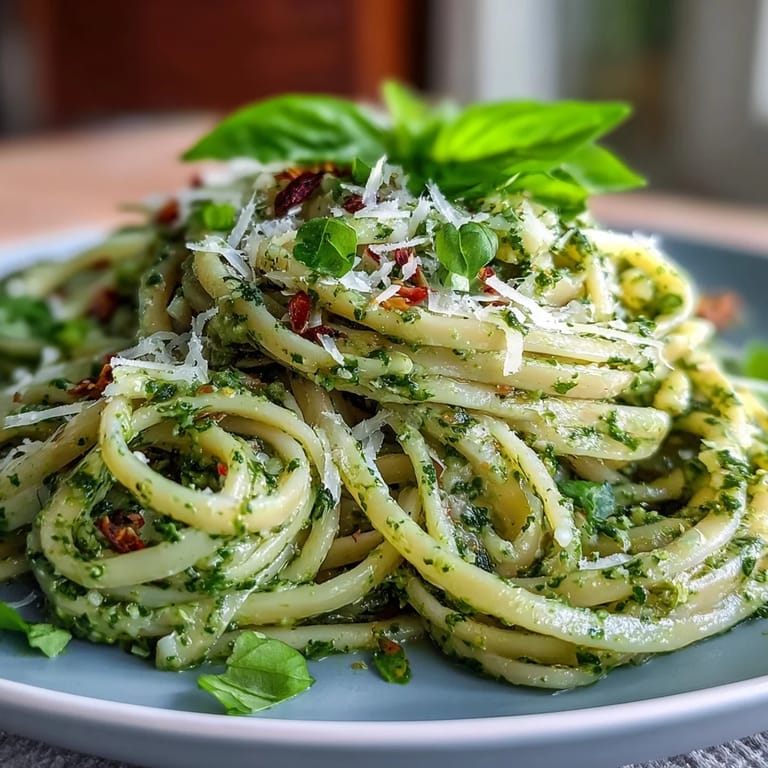
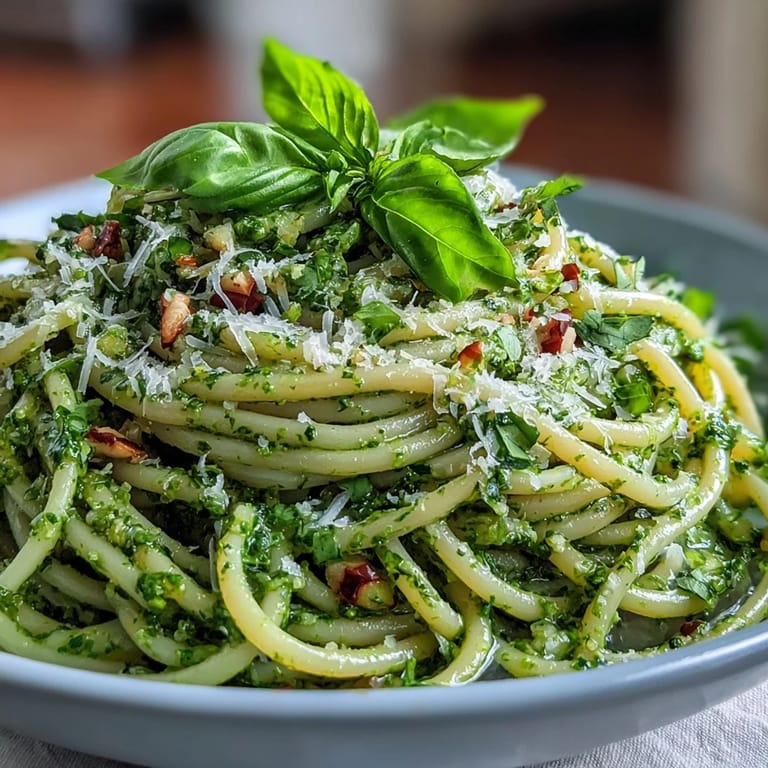
- Divide pasta into bowls, scatter over extra Parmesan, a dusting of lemon zest, and fresh basil leaves so each plate looks and smells as fresh as your kitchen now feels.
 Save It
 There was a dinner when a friend announced the pasta reminded her of a lemon grove she’d wandered through in Sicily, and for a moment, the kitchen felt far larger than the four walls it really was. That’s when I realized food could pull stories from memory just as easily as the other way around.
Getting the Perfect Sauce Texture
If your pesto feels a touch too thick, the key is not to panic—reserved pasta water is liquid gold. Stir it in bit by bit, watching as the sauce loosens and begins to shine, clinging to each ribbon of pasta instead of pooling sadly at the bottom.
Creative Mix-Ins and Pairings
If you’re in the mood for something heartier, I’ve thrown in blanched peas or grilled zucchini plenty of times. Both add a nice pop of color and balance the lemon perfectly without weighing things down. Crisp white wines like Sauvignon Blanc never fail alongside, especially if the evening is still sunlit.
Making it Work for Every Table
Every cook tweaks a recipe to fit whoever’s coming to dinner, and this pasta is easy to make vegetarian, vegan, or even nut-free if you need. I’ve found gluten-free spaghetti works surprisingly well too; just watch the cooking time a little more closely than usual.
- Mix in chopped herbs like mint or parsley for extra brightness.
- Don’t over-blend the pesto—the hint of texture is worth it.
- Set out extra lemon wedges so everyone can dial up the tang as they like.
 Save It
 This pasta brings a little sun to the table, no matter the weather outside. If you’re lucky, the good mood will linger long after the plates are cleared.
Common Questions About Recipes
- → Which type of pasta works best for this dish?
Linguine or spaghetti are ideal for holding the fresh pesto, but short pasta shapes can also be used.
- → How can I make this meal vegan?
Swap Parmesan for nutritional yeast and use a dairy-free cheese alternative for a fully plant-based version.
- → What proteins pair well with lemon pesto pasta?
Grilled tofu, roasted chickpeas, or steamed beans complement the light, lemony flavors well.
- → Can I add vegetables to the dish?
Yes, blanched peas or grilled zucchini add color, texture, and nutrition to the pasta.
- → How should leftovers be stored?
Store in an airtight container in the fridge for up to 2 days. Reheat gently, adding a splash of water as needed.
- → Is this suitable for gluten-free diets?
Absolutely, simply use gluten-free pasta without altering the flavor profile or texture.