 Save It
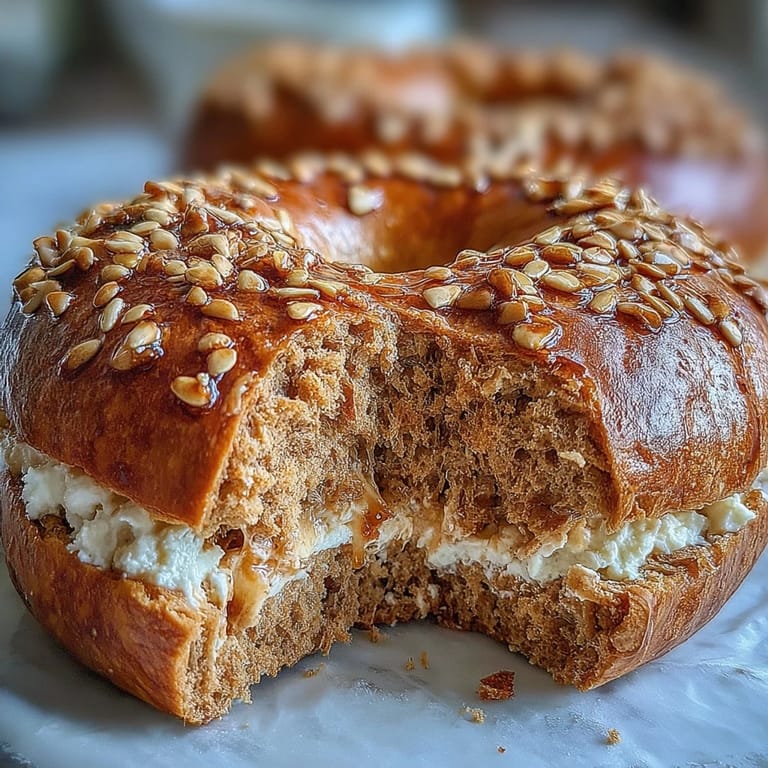
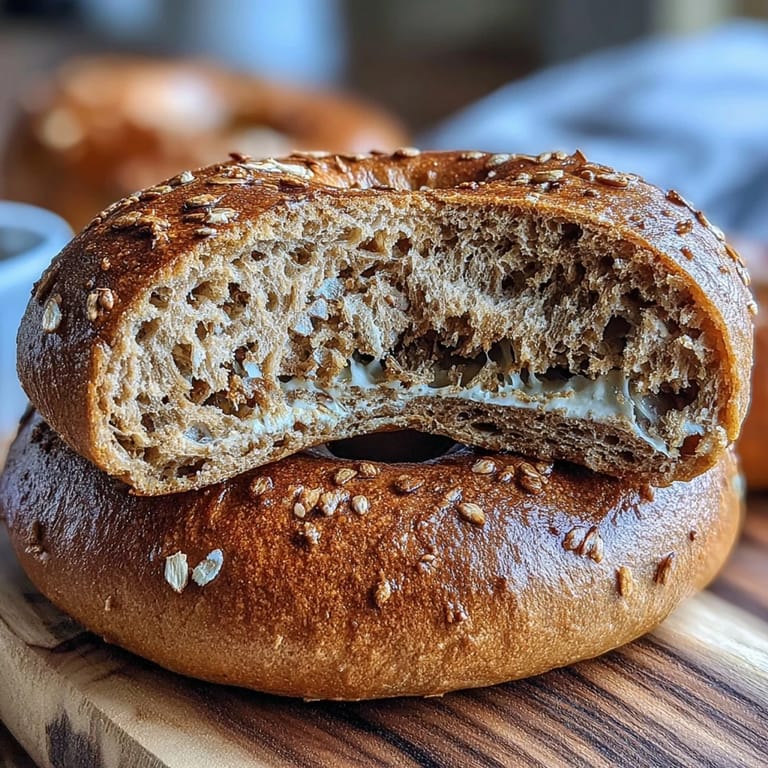
 My partner watched me pull these bagels from the oven one Saturday morning, golden and steaming, and said they looked like something from a proper bakery. What made me smile wasn't the compliment but the fact that I'd finally cracked the code on making bagels at home that were actually chewy, not dense. The secret? Adding protein powder to the dough didn't just boost nutrition, it changed the entire texture in ways I didn't expect when I first started experimenting.
Last winter I made these for my book club, nervous because someone always brings store-bought bagels and I wanted mine to actually stand out. Watching people tear into them, then dip them into the fluffy yogurt mixture, then ask for the recipe before they'd even finished eating—that's when I knew this was more than just a breakfast hack. It became the recipe I text friends when they're looking for something that feels indulgent but isn't.
Ingredients
- Whole wheat flour and bread flour: The combination gives you structure from bread flour while whole wheat adds that earthy depth and nutritional heft, but don't use all whole wheat or your bagels will be too heavy.
- Unflavored whey protein powder: Choose a quality brand with minimal additives, as cheaper powders can taste chalky and overpower the dough.
- Instant yeast: Keep it fresh by storing in the fridge after opening, and always bloom it in warm water to ensure it's alive and working.
- Warm water at 110°F: This temperature matters more than you'd think, too hot kills yeast, too cold and nothing rises, invest in a cheap thermometer.
- Honey: Use it both in the dough for subtle sweetness and in the boiling water, a trick that gives bagels their signature shine and chew.
- Sea salt: Fine sea salt dissolves evenly and doesn't create salty pockets like kosher salt sometimes does.
- Greek yogurt for the dip: Full fat or 2% tastes creamier than nonfat, and the protein makes it substantial enough that a little goes a long way.
- Lemon juice and vanilla: These aren't afterthoughts, they brighten the dip and add complexity that makes people ask what's in it.
Tired of Takeout? 🥡
Get 10 meals you can make faster than delivery arrives. Seriously.
One email. No spam. Unsubscribe anytime.
Instructions
- Mix your dry base:
- Whisk together the flours, protein powder, and salt in a large bowl. This prevents clumping later and ensures the protein powder distributes evenly throughout the dough.
- Bloom the yeast:
- Dissolve honey in warm water, then sprinkle yeast over and wait five minutes until it's foamy on top. If it doesn't foam, your yeast is dead and you'll need to start over.
- Bring it together:
- Pour the yeast mixture into the dry ingredients and mix until shaggy, then knead for 8 to 10 minutes until the dough is smooth and elastic. You'll feel the transformation under your hands, when it goes from sticky to silky.
- First rise:
- Place dough in an oiled bowl, cover it loosely, and let it sit in a warm spot for an hour until it's visibly doubled. A warm oven with the light on works perfectly, or near a sunny window on a cold day.
- Shape your bagels:
- Divide the dough into eight pieces, roll each into a ball, poke your thumb through the center, and gently stretch until you have a bagel shape with a hole about the size of a quarter. The hole shrinks during cooking, so make it bigger than you think.
- Rest and proof:
- Lay bagels on parchment paper, cover lightly, and let them rest for 10 minutes. This short rest makes them hold their shape better during boiling.
- Prepare your water bath:
- Bring two quarts of water to a gentle boil and stir in a tablespoon of honey. The honey adds shine and helps with browning.
- Boil with intention:
- Working in batches so they don't crowd, drop bagels into the water and boil exactly one minute per side. They should bob to the surface and float contentedly, and you'll see a subtle texture change on the outside.
- Bake to golden:
- Return boiled bagels to a parchment-lined tray and bake at 425°F for 18 to 22 minutes until they're deep golden brown. The bottoms should sound hollow when tapped.
- Whip your dip:
- Whisk Greek yogurt, honey, lemon juice, vanilla, and salt together until it's light and slightly fluffy. Don't skip the whisking, it makes the texture completely different from just stirring.
 Save It
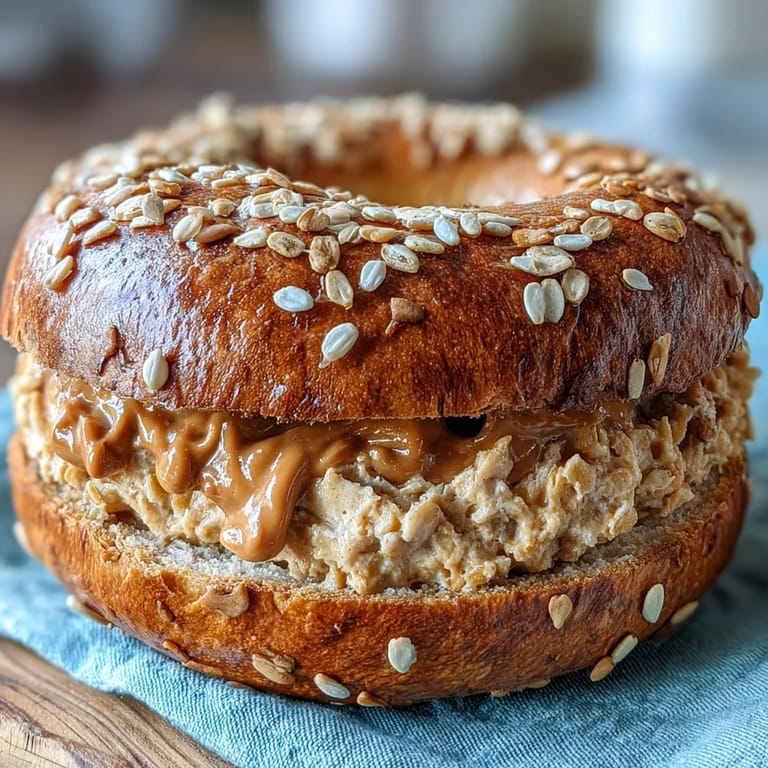
 My mom bit into one of these fresh from the oven, with the yogurt dip still cold against the warm bagel, and said it tasted like I'd found something I'd been looking for. That's exactly what these are, comfort food that doesn't require apology.
Why the Protein Powder Actually Matters
When I first added protein powder to bagel dough, I thought I was just padding the nutrition numbers. What actually happened was the protein changed the gluten structure, making the dough more elastic and forgiving to work with. The bagels hold their shape better during boiling and baking, and they stay soft longer because the protein traps moisture. It's not about tasting like a protein shake, it's about the science doing quiet work in the background.
The Dip as an Afterthought That Became the Star
I almost skipped the dip recipe entirely and just served these bagels with cream cheese like normal. A friend suggested Greek yogurt instead and added lemon, and I realized the tartness and lightness made the whole experience feel less heavy. Now I make double batches of the dip because people scoop it onto everything, and it's become just as memorable as the bagels themselves.
Making These Your Own
The beauty of this recipe is how flexible it is once you understand the core technique. You can swap plant-based protein for whey without changing much, add seeds or herbs, or customize the dip completely. I've made these with everything from everything bagel seasoning to cinnamon sugar, and they never disappoint when the fundamental technique is solid.
- Toast these bagels after they're cooled and they taste even better, the edges crisp while the inside stays chewy.
- If you have leftover dip, thin it with a little milk and it becomes a great salad dressing.
- Freeze unbaked shaped bagels on a tray, then bagels transfer to a freezer bag, and you can boil and bake them straight from frozen whenever you want fresh bagels.
 Save It
 These bagels are the kind of recipe that makes you feel capable in the kitchen, because you're doing something that seems fancy but actually just requires patience and attention. Once you've made them once, you'll want them constantly.
Common Questions About Recipes
- → What flour types are used for the bagels?
The bagels combine whole wheat flour for heartiness and bread flour for a strong structure, creating a chewy texture.
- → How does honey affect the boiling water?
Adding honey to the boiling water imparts subtle sweetness and helps create a glossy crust on the bagels.
- → Can plant-based protein powder be used?
Yes, plant-based protein powder can substitute whey protein to accommodate dietary preferences without altering texture significantly.
- → What flavors enhance the yogurt dip?
The yogurt dip is naturally light and fluffy, flavored with honey, lemon juice, vanilla, and a pinch of salt to balance sweetness and tang.
- → How should bagels be shaped before baking?
Divide the dough into portions, shape into balls, then gently stretch the center to form a ring typical of bagels for even cooking.
- → Are there optional toppings for the bagels?
Seeds like sesame, poppy, or sunflower can be sprinkled on top before baking to add texture and flavor.