 Save It
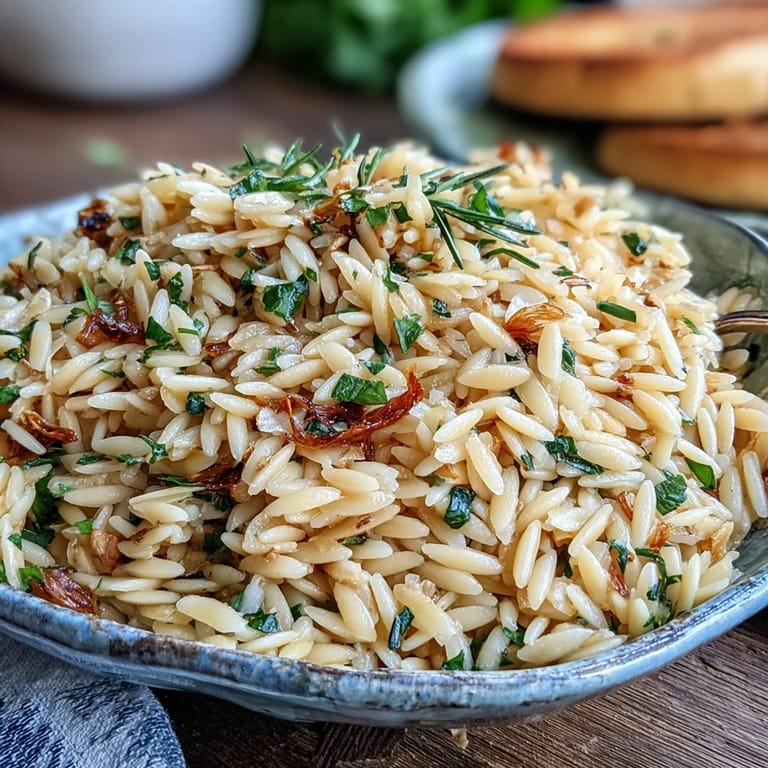
 The sharp scent of roasting garlic will always remind me of the first warm weekend I left all the windows open, letting spring air swirl through the kitchen while orzo simmered quietly on the stovetop. It didn’t start as a grand plan—just a craving for something light and soothing, with enough flavor to stand on its own, yet simple enough for a low-key afternoon. Each time I scattered fresh herbs over the silky pasta, I was struck by how a few basic ingredients could taste so extraordinary. Cooking this dish, the anticipation builds with every breath of sweet, nutty garlic drifting from the oven. There’s a kind of comfort in letting these subtle aromas fill the house and signal to everyone that something special is coming to the table.
One evening, I tossed this together for a friend who came over after a tough day—she arrived tired, but within minutes the gentle pop of bubbly orzo and fragrance of thyme had her grinning in the kitchen. We snacked shamelessly from the saucepan before supper, licking every last garlicky spoonful. That recipe became our go-to comfort, and now I associate it with easy laughter and chats that wander late into the evening.
Ingredients
- 1 whole head of garlic: Roasting transforms garlic—don’t rush it, and squeeze every last bit for the most velvety flavor.
- 1 tbsp olive oil (plus 2 tbsp for orzo): Use robust extra virgin for deep flavor in both roasting and sautéing the pasta.
- Pinch of sea salt: Just enough to mellow and concentrate the garlic as it roasts.
- 1 cup (200 g) orzo pasta: Choose a good quality brand—the texture really matters for soaking up those juices.
- 2½ cups (600 ml) vegetable broth: Broth is tastier than water, leaving orzo deeply seasoned from the inside out.
- 1 tsp salt + ½ tsp black pepper: Season thoughtfully since the broth and cheese both bring salt too.
- 2 tbsp fresh parsley, finely chopped: Parsley adds grassy brightness, and it’s best stirred in last minute to keep the color.
- 1 tbsp fresh basil, finely chopped: Always add basil at the end (never while simmering), or it loses its flavor punch.
- 1 tsp fresh thyme leaves: Strip thyme leaves gently from the stem; woody bits are never fun to bite into.
- Zest of 1 lemon + 1 tbsp lemon juice: Don’t skip the zest—those oils make the dish pop in a way juice alone can’t.
- ¼ cup (25 g) grated Parmesan cheese (optional): Parmesan brings a savory, creamy finish—use vegan cheese for a plant-based side.
Tired of Takeout? 🥡
Get 10 meals you can make faster than delivery arrives. Seriously.
One email. No spam. Unsubscribe anytime.
Instructions
- Get That Garlic Roasting:
- Preheat your oven to 400°F (200°C). Slice the top off the garlic bulb, drizzle it with olive oil and sprinkle with sea salt, then wrap it in foil and tuck it on a tray to roast for 30–35 minutes, until golden and fragrant.
- Toast the Orzo:
- Pour 2 tbsp olive oil into a medium saucepan and warm it gently over medium heat. Tip in the orzo and stir slowly, letting the grains turn shiny and a touch golden—listen for that gentle sizzle before the next step.
- Add Broth and Simmer:
- Stir in the vegetable broth, salt, and black pepper. Bring everything to a cheerful boil, then reduce heat and simmer, stirring now and then, until the orzo is tender and has drunk up most of the liquid—about 8–10 minutes.
- Squeeze and Mash Garlic:
- When the garlic is cool enough to handle, squeeze out the soft cloves into a little bowl. Mash them into a paste; taste it, and marvel how sweet and mellow they've become.
- Combine With Herbs and Citrus:
- Off the heat, add the mashed garlic, parsley, basil, thyme, lemon zest, lemon juice, and Parmesan if you’re using it. Give everything a gentle but thorough mix—the scent will tell you it's ready.
- Serve and Savor:
- Spoon into warmed bowls, sprinkle over any extra herbs or cheese, and enjoy while still steamy and fragrant.
 Save It
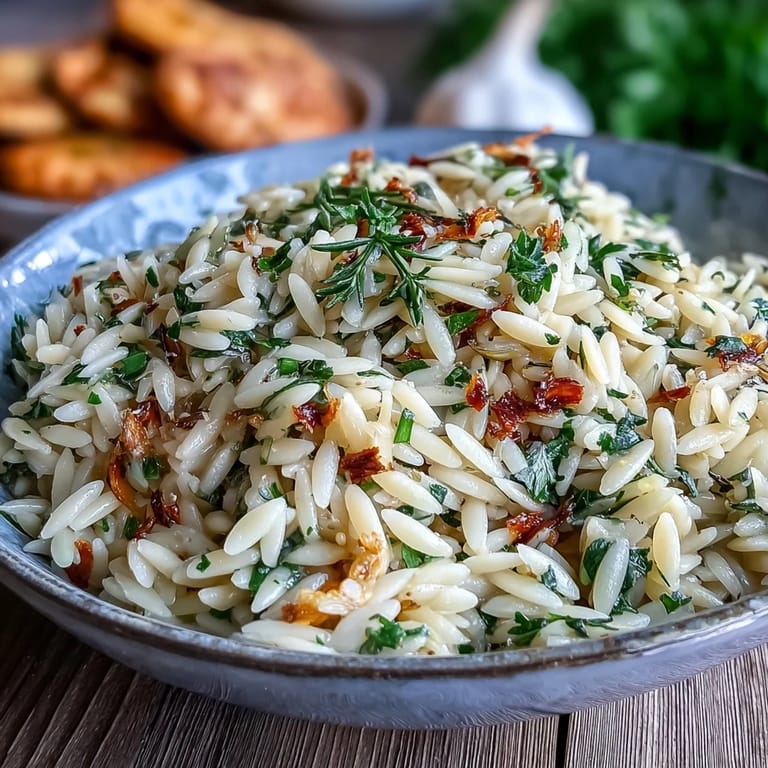
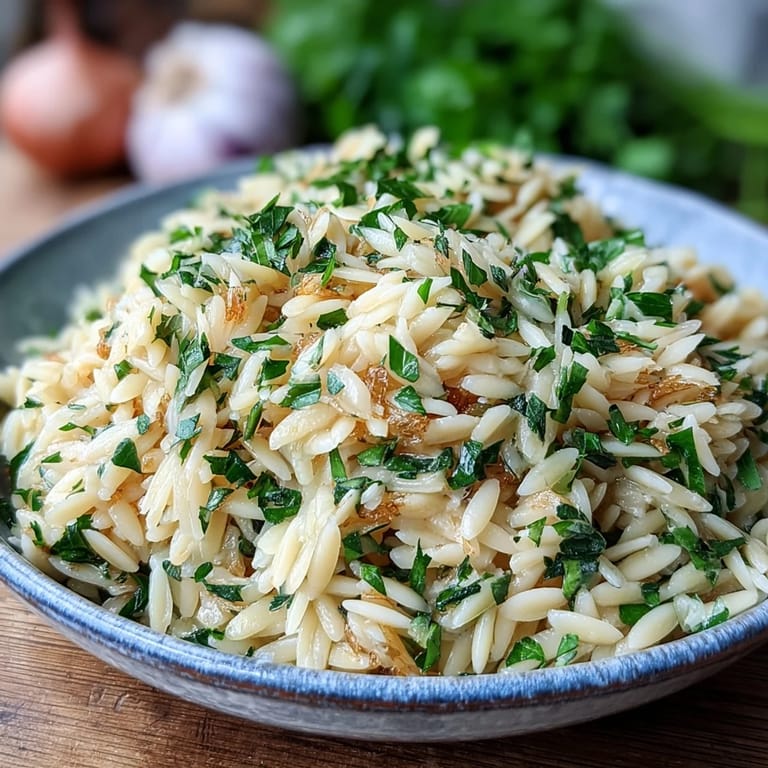
 The first time I brought a bowl of this to a potluck, everyone hovered near the serving spoon—there’s something about the golden flecks of roasted garlic and bright scatter of herbs that makes it impossible to resist. By the night’s end, not a strand of orzo was left behind, and I went home with a stack of napkin-scribbled recipe requests.
Simple Ways to Make It Your Own
Adapting this dish is half the fun: I’ve stirred in sun-dried tomatoes, thrown on a handful of toasted pine nuts, or even swapped in different citrus zests depending on what’s lying around. It's forgiving—just keep the balance of sweet, savory, and fresh intact, and you can’t go wrong.
Serving Suggestions That Shine
I love piling this orzo next to charred lamb chops, grilled shrimp, or turning it into a cozy vegetarian stand-alone supper with a side salad. It’s just as impressive alongside roast chicken or served room-temp at a picnic—the herbs keep it lively, even hours later.
What to Watch Out For in the Kitchen
Orzo is easy to overcook, so keep an eye on it near the end—taste early and stop the heat as soon as it’s just tender. The garlic needs patience, and don’t get distracted or the toasting orzo can tip over from nutty to burnt in seconds.
- Add a splash of broth if you reheat leftovers—they tighten up quickly.
- Chop the herbs at the last moment to keep them vibrant.
- For strict vegetarians, double-check your Parmesan is rennet-free.
 Save It
 However you serve this herb-roasted garlic orzo, you’re in for subtle magic and easy, shareable comfort. May your kitchen always smell this wonderful.
Common Questions About Recipes
- → How do I roast garlic for orzo?
Slice the top off a garlic head, drizzle with olive oil and sea salt, wrap in foil, and roast at 400°F for 30–35 minutes until soft.
- → Can I make this dish vegan?
Yes, simply use a plant-based Parmesan or omit the cheese entirely for a fully vegan option.
- → What herbs work best with this orzo?
Fresh parsley, basil, and thyme provide the best flavor balance, giving the orzo a bright Mediterranean character.
- → Is this orzo good as a main course?
Absolutely! It is filling and flavorful enough for a meatless main, especially with added veggies or cheese.
- → Are there ingredient substitutions possible?
Try adding sun-dried tomatoes, toasted pine nuts, or substitute different fresh herbs for a customized twist.
- → What wine pairs well?
Light Italian white wines such as Pinot Grigio or a crisp Sauvignon Blanc complement the dish beautifully.