 Save It
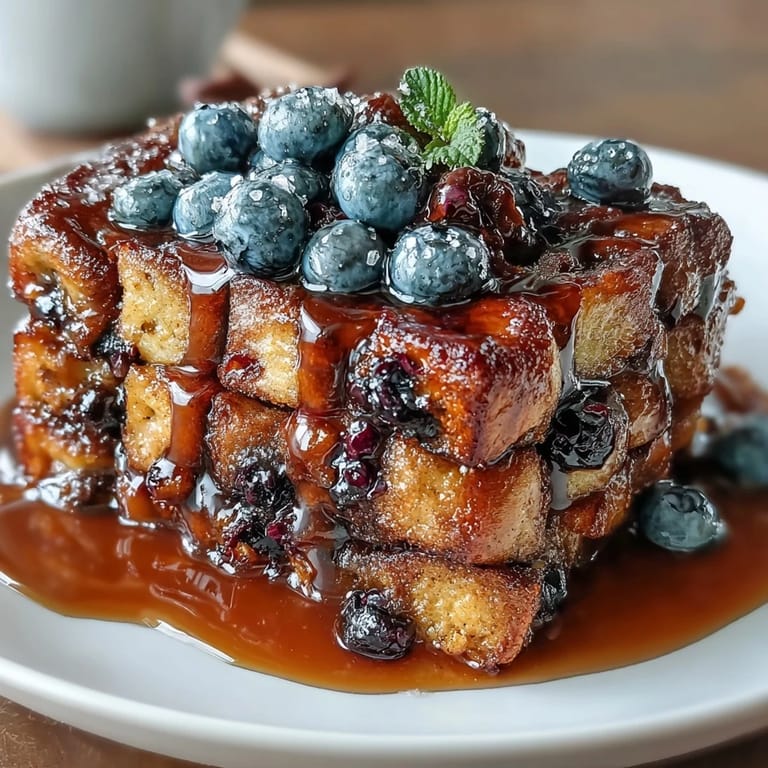
 My neighbor brought over a casserole dish one Saturday morning, still warm from her oven, and I watched steam rise off the golden surface as she set it down on my counter. The smell—buttery, cinnamon-sweet, with those tart blueberries cutting through—made me forget I hadn't even had coffee yet. She called it her secret weapon for feeding a crowd without being chained to the stove, and one bite told me she wasn't exaggerating. Now it's the dish I make when I want brunch to feel both special and effortless, like I've had time to fuss when really I just prepped it the night before.
I learned the real magic of this dish during a chaotic Sunday when my sister's family showed up unannounced after their hotel fell through. I'd made it the evening before out of habit, and instead of panicking, I just slid it into the oven while everyone settled in with coffee. By the time they'd unpacked the car, breakfast was ready, and nobody would have guessed I'd been improvising.
Ingredients
- Sourdough bread (1 loaf, about 400 g, cut into 1-inch cubes): The tang is essential—it keeps this from tasting like sweet egg bread and gives you that subtle complexity that makes people ask for the recipe.
- Fresh or frozen blueberries (2 cups / 300 g): Frozen works beautifully here since they'll thaw gently as the custard bakes, releasing juice without turning to mush.
- Large eggs (6): These are your custard base, so don't skip or substitute—they give you that silky texture that sets just right.
- Whole milk (2 cups / 480 ml): The everyday milk does the job, though I've noticed it makes a difference if it's actually fresh.
- Heavy cream (1/2 cup / 120 ml): This is what stops the custard from being watery and gives you that luxurious mouthfeel.
- Granulated sugar (1/3 cup / 65 g): Balance this against the tartness of the sourdough and the blueberries—you want sweetness but not syrup.
- Pure vanilla extract (2 tsp): Use real vanilla, not imitation; it makes a quiet but real difference in how sophisticated this tastes.
- Ground cinnamon (1 tsp in custard, 1/2 tsp in topping): Warm and gentle, it threads through without overpowering anything else.
- Ground nutmeg (1/4 tsp): Just enough to whisper in the background and remind people this is custard, not plain egg.
- Fine sea salt (1/4 tsp): Salt is your secret weapon for making everything taste more like itself.
- Unsalted butter, melted (2 tbsp) and brown sugar (2 tbsp) for topping: These two together create the caramelized crust that makes people close their eyes on the first bite.
Tired of Takeout? 🥡
Get 10 meals you can make faster than delivery arrives. Seriously.
One email. No spam. Unsubscribe anytime.
Instructions
- Prepare your canvas:
- Butter or spray your 9x13-inch baking dish generously—you want nothing sticking when you flip this onto a plate. Spread those cubed sourdough pieces evenly across the bottom, then scatter the blueberries over them like you're actually trying to make it pretty, because you are.
- Build your custard:
- Crack all six eggs into a large bowl and whisk them with the milk, cream, sugar, vanilla, cinnamon, nutmeg, and salt until the mixture is smooth and pale and there are no streaks of egg white hiding in the corners. You want this silky.
- Let the bread drink:
- Pour that custard over the bread and blueberries, then use the back of a spoon or your fingers to gently press the bread cubes down so they're submerged and starting to absorb the liquid. Don't mash it—just coax it under.
- Overnight rest (or two-hour minimum):
- Cover the dish with plastic wrap or foil and refrigerate for at least two hours, though overnight is when the real magic happens—the bread becomes almost bread pudding-like, fully saturated and ready to bake into something tender. This is also why this recipe is perfect for guests: you do the work when you're calm, not when they're arriving.
- Top and bake:
- When you're ready to bake, preheat your oven to 350°F (175°C). Mix the melted butter with brown sugar and that remaining cinnamon, then drizzle it evenly over the chilled custard mixture—it'll pool a little and caramelize beautifully as it bakes. Slide it into the oven uncovered for 40 to 45 minutes, until the center doesn't jiggle when you gently shake the dish and the top is deep golden brown.
- Rest before serving:
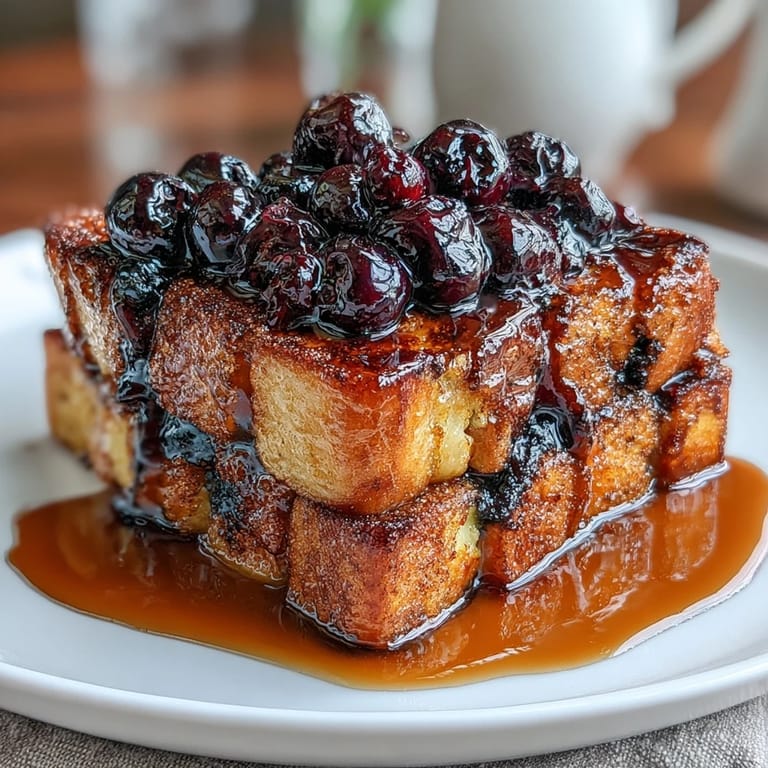
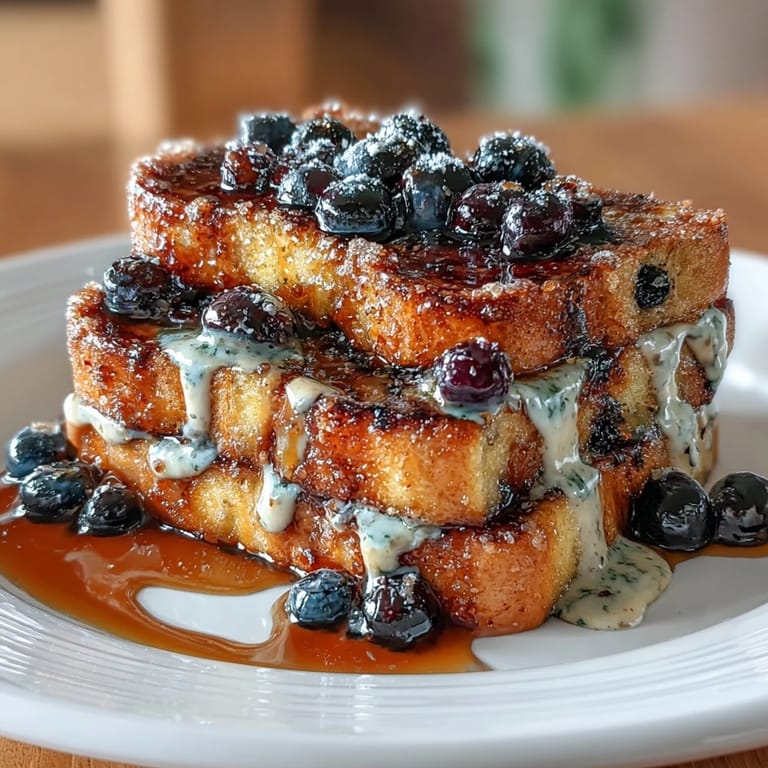
- Let it cool for about ten minutes—this gives it time to set slightly so you can serve it in neat squares without it collapsing into a puddle. Warm slices are perfect, and if you want to gild the lily, dust with powdered sugar or drizzle with maple syrup.
 Save It
 There's something about watching someone's face light up when they taste this for the first time that never gets old—the surprise of how something so simple manages to be both comforting and elegant. It's made me realize that the best breakfast dishes are the ones that make you feel like you've done something special without actually breaking a sweat.
Why This Casserole Changes Everything
The beauty of a baked French toast casserole is that it collapses the usual morning logistics—no babysitting a skillet, no running eggs and bread through individually, no trying to time six plates at once. You make it when you want, on your own schedule, and it waits patiently in the fridge until you're ready to bake.
The Sourdough Advantage
Sourdough's tang is doing more work here than you might think—it prevents this dish from tasting one-note sweet, and it adds a subtle sophistication that makes people guess there's something special in the recipe. The bread's natural fermentation also means it absorbs the custard more evenly than, say, regular sandwich bread would, which is why I stopped trying to make this work with whatever bread was in my freezer.
Make It Your Own
Once you understand how this casserole works, it's endlessly adaptable—I've made versions with raspberries instead of blueberries, added a handful of toasted pecans to the topping for crunch, and even substituted challah when I wanted something richer. The ratio of bread to custard, that's what matters; the rest is your kitchen riffing on a theme.
- Swap in brioche or challah for a denser, more luxurious interior that gets almost bread-pudding-like when it bakes.
- Try raspberries, blackberries, or a mix; stone fruits are trickier since they can release too much liquid, but a handful of diced peaches on top works.
- Toast some chopped nuts (pecans, walnuts, almonds) and mix them into the brown sugar topping for texture and depth.
 Save It
 This dish has quietly become my answer to the question of how to feed people without losing your mind, and it tastes like you care way more than you actually do. Make it once and you'll understand why my neighbor keeps showing up with it.
Common Questions About Recipes
- → Can I use frozen blueberries instead of fresh?
Yes, frozen blueberries can be used directly without thawing. They bake well and release lovely juices throughout the dish.
- → What bread works best for this bake?
Sourdough provides a tangy flavor and sturdy texture, but brioche or challah can be used for a richer, softer outcome.
- → How long should the mixture rest before baking?
Refrigerate the assembled dish for at least 2 hours, or overnight, to allow the bread to soak up the custard fully.
- → Can I add nuts for extra texture?
Yes, finely chopped pecans or walnuts added to the topping create a delightful crunch and complement the flavors.
- → What are some serving ideas?
Serve warm with maple syrup or a dusting of powdered sugar. Fresh fruit and strong coffee pair perfectly alongside.