 Save It
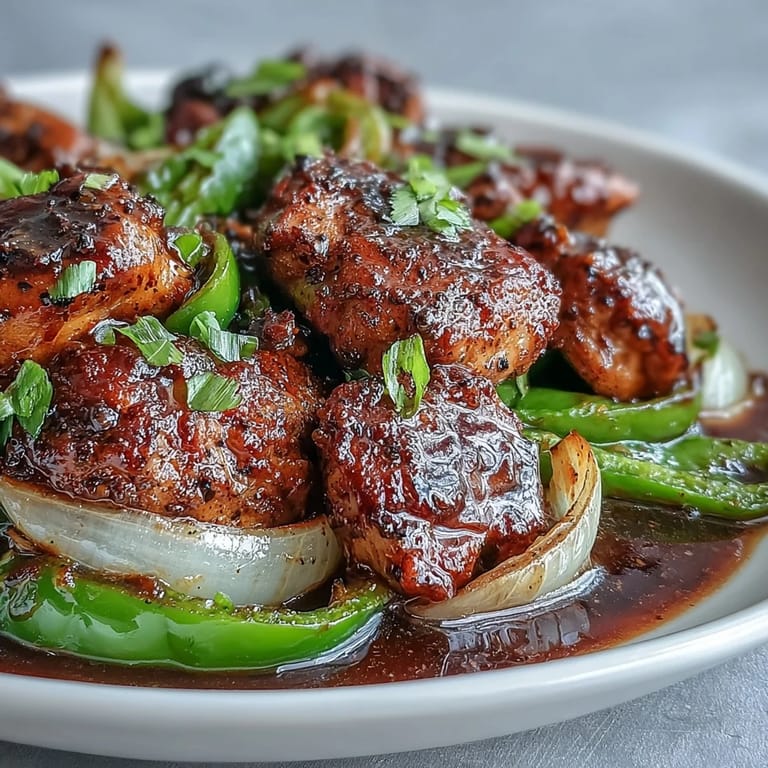
 My wok sits on the stove most evenings, and Black Pepper Chicken has become the dish I reach for when I need something that tastes like I spent hours cooking but actually took me thirty minutes. There was this one Tuesday when my partner came home early, the kitchen filled with the sharp crack of black pepper hitting hot oil, and suddenly dinner felt like an event. The beauty of this dish is how it transforms simple ingredients into something that feels both casual and restaurant-worthy, all while the house smells absolutely incredible.
I learned to make this properly when a friend who grew up in Singapore watched me fumble through the first attempt, then gently suggested I wasn't letting the chicken brown enough before pulling it out. That one conversation changed everything—suddenly the edges had color, the sauce clung better, and the whole thing tasted less timid. Now whenever I cook it, I think about that moment and take my time with the sear, which honestly makes all the difference.
Ingredients
- Boneless chicken thighs (500g, bite-sized pieces): Thighs stay juicier than breasts and have enough fat to stay forgiving if you overcook them slightly, which is the real secret to weeknight cooking confidence.
- Freshly ground black pepper (1 tablespoon): Pre-ground pepper loses its bite after a few weeks, so crack it fresh if you can—the difference is subtle but real and makes this dish sing.
- Soy sauce (1 tablespoon): This is your umami anchor, so use one you actually enjoy tasting straight from the spoon.
- Oyster sauce (1 tablespoon): It adds a subtle sweetness and depth that salt alone could never achieve, though you can swap it for extra soy in a pinch.
- Cornstarch (1 tablespoon mixed with water): This creates the silky sauce coating, but don't skip the water mixing step or you'll get lumps that refuse to disappear.
- Vegetable oil (2 tablespoons): Use something neutral that can handle the heat without smoking, and don't be shy about the amount during the initial sear.
- Onion and green bell pepper: These vegetables add crunch and sweetness that balances the aggressive pepper, making the dish feel complete rather than one-note.
- Garlic (4 cloves, minced): Mince it fine so it distributes evenly, and always add it after the peppers or it'll burn before releasing its perfume.
Tired of Takeout? 🥡
Get 10 meals you can make faster than delivery arrives. Seriously.
One email. No spam. Unsubscribe anytime.
Instructions
- Season and rest your chicken:
- Toss the bite-sized pieces with freshly ground black pepper and a pinch of salt, then let them sit for at least 15 minutes so the pepper actually penetrates instead of just sitting on the surface. This small patience moment makes the flavor deeper and more integrated.
- Get a serious sear going:
- Heat your oil until it shimmers and almost smokes, then add the chicken without moving it around for the first two minutes—you want those edges to turn golden brown and slightly caramelized. This is where the magic starts, so resist the urge to stir constantly.
- Soften your vegetables:
- Pull out the chicken, then add your sliced onion and bell pepper to the same pan, letting them cook for a couple minutes until they begin to soften but still have some crunch. The browned bits on the bottom of the pan are flavor gold, so let them incorporate as you stir.
- Build the aromatics:
- Add your minced garlic and cook it for just about a minute until the kitchen smells like someone who knows what they're doing. Don't let it sit longer or it turns bitter and regretful.
- Bring everything back together:
- Return the chicken to the pan along with your soy sauce, oyster sauce, and a teaspoon of sugar, stirring well so every piece gets coated in the glossy mixture. The sauce should look wet and sloppy at this point, which is exactly right.
- Thicken and finish:
- Mix your cornstarch with water in a small bowl first—this prevents clumping—then pour it in slowly while stirring continuously until the sauce transforms into something silky and clingy that coats the back of a spoon. Cook for another five minutes until the chicken is fully cooked through.
- Taste and garnish:
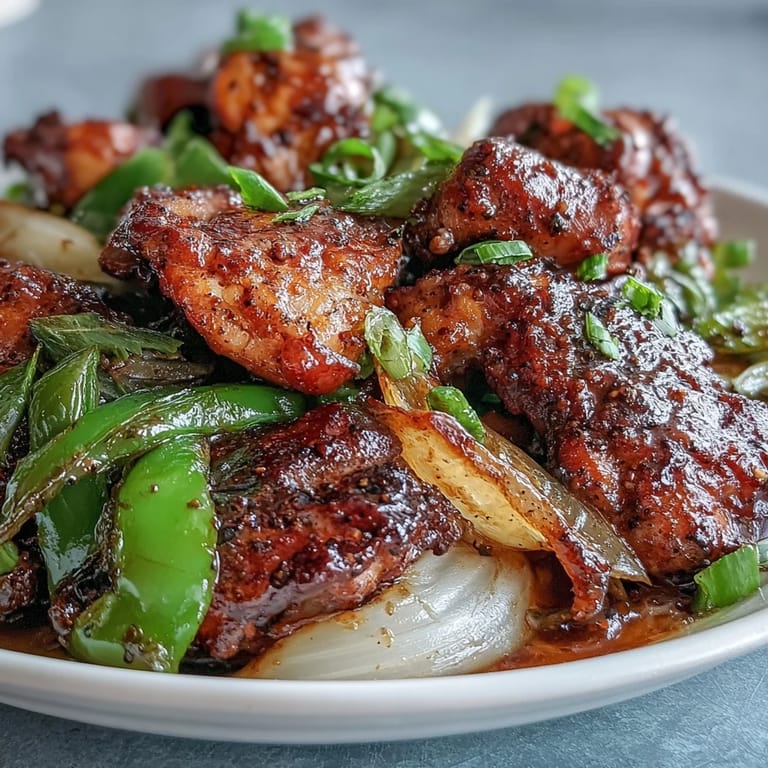
- Adjust the salt if needed, then scatter chopped green onions on top right before serving to add freshness and a slight onion bite that wakes everything up.
 Save It
 This dish became something special the night my teenage nephew declared it his favorite thing I'd ever made, which caught me completely off guard because he's usually skeptical about home cooking. After that, it transformed from just a recipe into proof that simple ingredients treated with respect can actually impress people, and I've made it dozens of times since.
The Art of the Pepper
Black pepper is the whole story here, and it deserves respect rather than being treated like a background player. A lot of home cooks underseasoned with pepper because they're afraid of heat, but this dish thrives on that peppery bite—it's not just spicy, it's complex and slightly floral when it's fresh. If you've only ever used pre-ground pepper from a tin that's been sitting in your pantry for two years, you're missing out on what makes this dish actually taste like something worth cooking.
Sauce Science Made Simple
The sauce is just four ingredients that balance each other: salty soy, umami-rich oyster sauce, a tiny bit of sugar to round the edges, and cornstarch to turn it glossy. What matters is the order and timing—add the cornstarch too early and it'll start thickening before everything else is cooked, add it too late and you'll panic because it seems like nothing's happening. The lesson I learned is that thickening happens gradually, and if you stir constantly for two minutes it'll suddenly catch and transform into something silky that clings to every piece.
Beyond the Basic Recipe
This dish is genuinely flexible in ways that some recipes aren't, which means you can make it your own without ruining the core idea. Sesame oil drizzled at the very end adds an aromatic richness that elevates it from good to unforgettable, and swapping in red or yellow peppers gives you visual variety without changing the flavor profile. Some nights I add a splash of rice vinegar for brightness, other times I throw in some cashews for texture, and it never fails me.
- Serve over jasmine rice or cauliflower rice depending on what you're in the mood for that evening.
- A squeeze of lime juice right before eating adds a freshness that cuts through the richness in the best way.
- Leftover chicken reheats beautifully and makes excellent lunch the next day, though honestly there usually isn't any left.
 Save It
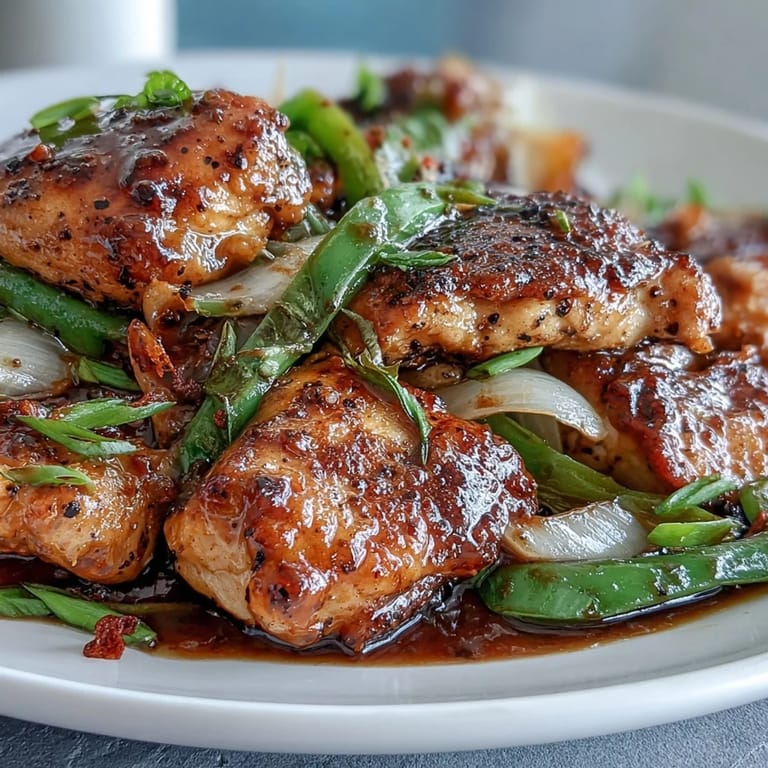
 This Black Pepper Chicken has become my go-to answer for those nights when I want to feel like I'm taking care of people through food, without the stress of a complicated recipe. It's proof that sometimes the best meals come from respecting simple ingredients and knowing exactly when to stop fussing.
Common Questions About Recipes
- → How spicy is black pepper chicken?
The heat level depends on how much black pepper you use. One tablespoon provides a pleasant warmth and subtle kick without being overpowering. Reduce to half tablespoon for milder flavor or increase to two tablespoons for extra heat that'll really wake up your taste buds.
- → Can I use chicken breast instead of thighs?
Yes, chicken breast works perfectly though it's leaner. Cut into even bite-sized pieces and be careful not to overcook since breast meat dries out faster than thighs. Reduce cooking time by 2-3 minutes to keep the meat tender and juicy.
- → What can I substitute for oyster sauce?
For a vegetarian version, try mushroom sauce or hoisin sauce mixed with a splash of fish sauce alternative. You can also use additional soy sauce combined with a small amount of brown sugar or molasses to mimic the rich umami flavor that oyster sauce provides.
- → How do I store and reheat leftovers?
Store cooled leftovers in an airtight container in the refrigerator for up to 3 days. Reheat gently in a skillet over medium heat, adding a splash of water if the sauce has thickened too much. The microwave works too—heat in 30-second intervals, stirring between each to ensure even warming.
- → Can I make this dish gluten-free?
Absolutely! Use tamari instead of regular soy sauce and verify your oyster sauce is gluten-free (many brands offer gluten-free versions). The cornstarch thickener is naturally gluten-free, making this an easy dish to adapt for gluten-sensitive diners while maintaining all the bold flavors.
- → What vegetables work well in this dish?
Beyond bell peppers and onions, try adding snap peas, broccoli florets, sliced carrots, or baby corn. Add harder vegetables like carrots and broccoli a few minutes before the peppers so everything cooks evenly. The sauce pairs beautifully with almost any stir-fry vegetables you have on hand.