 Save It
 I burned my first batch of cashews trying to toast them for texture, not realizing this soup didn't need that step at all. The smell of scorched nuts filled my tiny kitchen while I frantically opened windows, laughing at my own overthinking. Sometimes the simplest approach is the right one, and this soup taught me that green vegetables and soaked cashews need nothing but heat and time to become something magical. Now I make it on gray afternoons when I need color on my plate and comfort in my bowl. It's become my reset button, the dish I turn to when I want to feel like I'm doing something kind for myself.
My neighbor knocked on my door once while this was simmering, and she said it smelled like a spa and a garden had a baby. I'd never thought of soup as having a mood before, but she was right. There's something about the way asparagus and broccoli steam together that feels restorative, like the kitchen itself is exhaling. I ladled her a bowl and she texted me two hours later asking for the recipe, saying her kids actually asked for seconds. That's when I knew this wasn't just another soup, it was the kind that makes people feel taken care of.
Ingredients
- Olive oil: Just enough to coax the onions into softness without making the soup feel heavy, a tablespoon does all the work you need.
- Onion: The foundation that nobody notices but everyone would miss, it gives the broth a sweet backbone that balances all that green.
- Garlic: Two cloves minced fine so they melt into the background, adding warmth without shouting about it.
- Broccoli: Cut into florets that will soften and blend into creamy clouds, about 300 grams gives you body without bulk.
- Asparagus: Trim the woody ends and chop the rest, around 250 grams adds a subtle sweetness that plays well with the other greens.
- Baby spinach: Wilts down to almost nothing but leaves behind iron and that deep green color, 150 grams is plenty.
- Zucchini: The quiet vegetable that adds creaminess when blended, one medium zucchini chopped makes the texture luxurious.
- Raw cashews: Soaked until soft, 100 grams transforms into the creamy base that makes this soup feel indulgent.
- Vegetable broth: A liter of low sodium gives you control over the salt and lets the vegetables be the stars.
- Lemon juice: One tablespoon at the end brightens everything, like opening a window in a warm room.
- Sea salt: A teaspoon to start, but your taste buds should have the final say.
- Black pepper: Half a teaspoon adds a gentle bite that wakes up your palate.
- Nutmeg: A quarter teaspoon might seem odd, but it adds a warmth that makes the soup feel complete.
- Dried thyme: Optional but lovely, half a teaspoon brings an earthy note that ties everything together.
Tired of Takeout? 🥡
Get 10 meals you can make faster than delivery arrives. Seriously.
One email. No spam. Unsubscribe anytime.
Instructions
- Start with the aromatics:
- Heat your olive oil in a large pot over medium heat until it shimmers slightly, then add the chopped onion and minced garlic. Let them sauté for 3 to 4 minutes, stirring occasionally, until the onion turns translucent and your kitchen starts to smell like the beginning of something good.
- Add the green vegetables:
- Toss in the broccoli florets, chopped asparagus, zucchini, salt, pepper, nutmeg, and thyme if you're using it. Stir everything together and let it cook for 4 to 5 minutes, just long enough for the vegetables to start softening and the spices to wake up.
- Simmer until tender:
- Pour in the vegetable broth and turn the heat up until you see gentle bubbles forming. Reduce the heat to low, cover the pot, and let everything simmer for 12 to 15 minutes until the vegetables are tender enough to pierce easily with a fork.
- Wilt the spinach and add cashews:
- Stir in the baby spinach and your drained soaked cashews, letting them simmer together for 2 more minutes. The spinach will collapse into the broth and the cashews will soften even more, ready to become creamy.
- Blend until silky:
- Remove the pot from the heat and carefully transfer the soup in batches to your blender, or use an immersion blender right in the pot. Blend until the soup is completely smooth and creamy, no green flecks or cashew bits left behind.
- Finish and adjust:
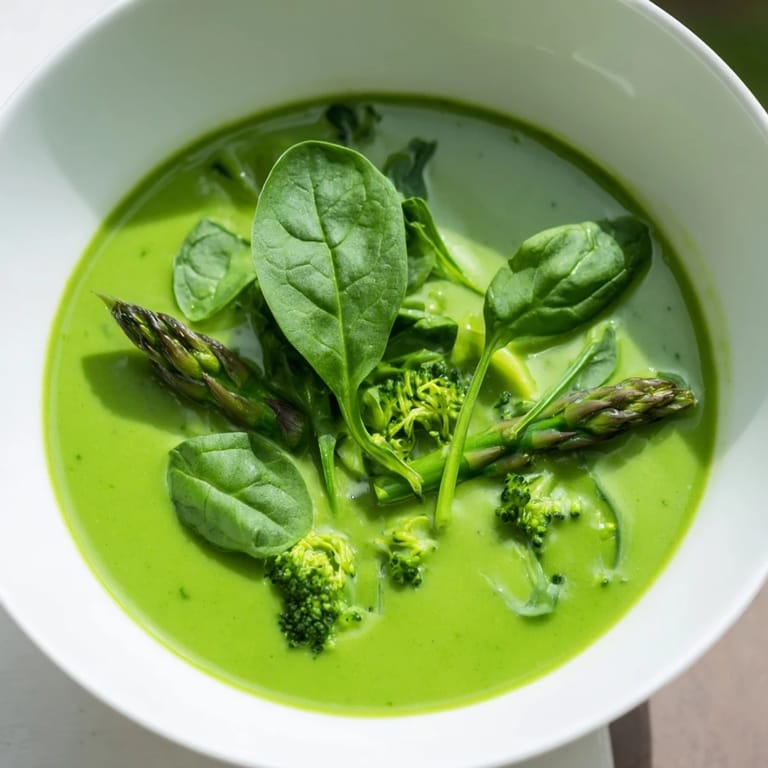
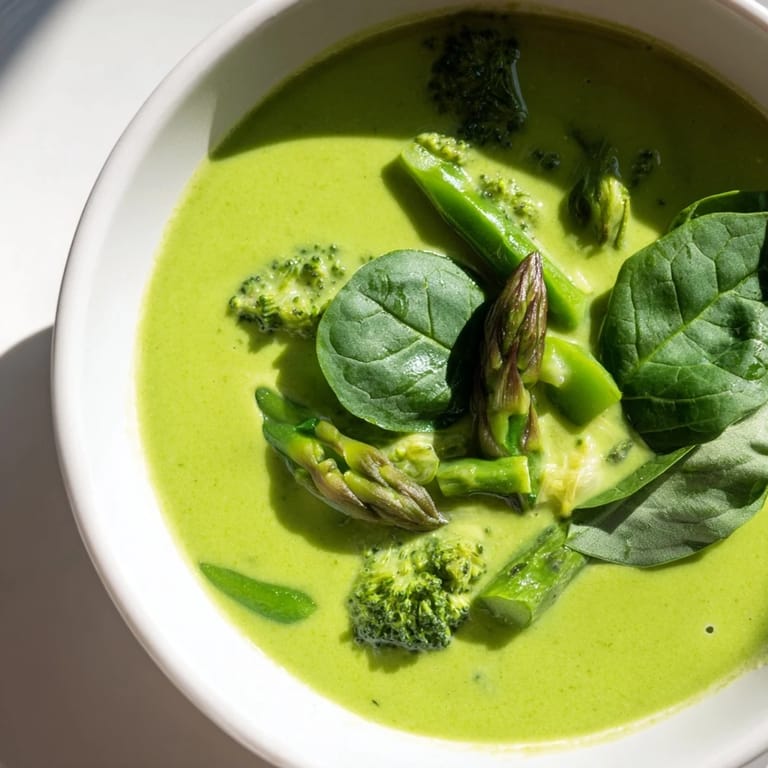
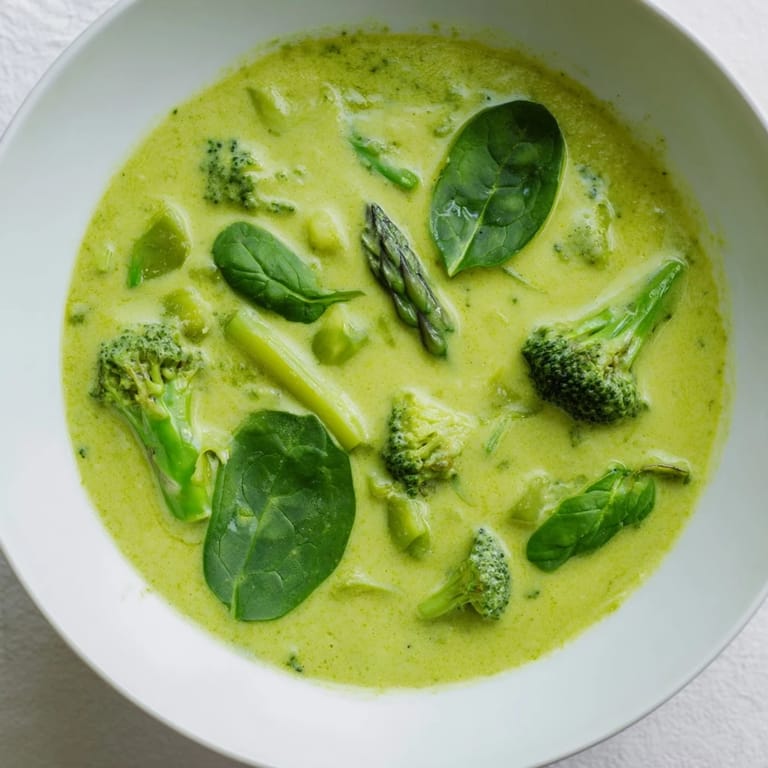
- Stir in the lemon juice, taste the soup, and add more salt or pepper if it needs it. Serve it hot with a garnish of spinach leaves or a drizzle of olive oil if you want to make it look as good as it tastes.
 Save It
 The first time I made this for a friend recovering from a cold, she held the bowl with both hands and said it felt like drinking sunshine. I didn't tell her it was just vegetables and nuts, because sometimes the magic is in not overthinking it. She fell asleep on my couch an hour later, the kind of deep rest that only comes when your body feels nourished. That's when I realized this soup wasn't just food, it was a gesture, a way of saying I care without needing to find the words.
Make It Your Own
Once you've made this a few times, you'll start seeing where you can play. I've stirred in cooked white beans before blending for extra protein, which makes the soup more filling without changing its character. A handful of fresh herbs like basil or parsley at the end adds brightness, and I've even swirled in a spoonful of pesto when I had some in the fridge. If cashews aren't your thing or you're cooking for someone with allergies, sunflower seeds work just as well after soaking. The soup is forgiving, it wants you to make it yours.
Storing and Reheating
This soup keeps beautifully in the fridge for up to four days, tucked into airtight containers that you can grab for quick lunches. I've found it thickens as it sits, so when reheating, I add a splash of water or broth and stir it over low heat until it's warm and creamy again. It also freezes well for up to three months, though I recommend freezing it in single serving portions so you can thaw just what you need. Let it defrost in the fridge overnight, then reheat gently on the stove. The lemon brightness fades a tiny bit after freezing, so I sometimes add a fresh squeeze when serving.
Serving Suggestions
I love this soup with a thick slice of whole grain bread, the kind with seeds that crunch against the creamy texture. It's also wonderful as a starter before something lighter, or as the main event with a simple side salad dressed in lemon vinaigrette. On nights when I want to feel fancy, I pour a glass of crisp Sauvignon Blanc and pretend I'm at a bistro instead of my own kitchen. The soup doesn't need much, but it plays well with others.
- Pair with crusty sourdough or a seeded multigrain roll for dipping.
- Top with roasted chickpeas for a crunchy contrast.
- Serve alongside a light arugula salad with shaved radishes and a squeeze of lemon.
 Save It
 This soup has become my quiet ritual, the thing I make when I want to press pause on everything else. It's proof that taking care of yourself can be as simple as a pot, a blender, and a handful of green things that grow.
Common Questions About Recipes
- → Can I make this soup ahead of time?
Yes, this soup stores beautifully in the refrigerator for up to 4 days or freezes well for up to 3 months. Simply reheat gently on the stovetop, adding a splash of broth if needed to reach your desired consistency.
- → What can I substitute for cashews?
Sunflower seeds work wonderfully as a nut-free alternative and provide the same creamy texture. You can also use blanched almonds, macadamia nuts, or coconut cream for a dairy-free richness.
- → Is this soup suitable for meal prep?
Absolutely. Prepare the soup in batches and portion into airtight containers for easy grab-and-go lunches throughout the week. It reheats beautifully in the microwave or on the stovetop.
- → How can I add more protein?
Stir in cooked white beans, chickpeas, or lentils before blending for added plant-based protein. You can also top each serving with toasted seeds or nuts for an extra nutritional boost.
- → What vegetables can I swap out?
Feel free to customize with other greens like kale or Swiss chard, and substitute zucchini with celery, cauliflower, or green beans depending on what you have on hand. The soup adapts beautifully to seasonal produce.