 Save It
 There's something about the smell of butter hitting a hot pan that makes you slow down and pay attention. I discovered this Turkish pasta quite by accident one evening when I had Greek yogurt that needed using and a block of butter softening on the counter. The paprika went in almost as an afterthought, and suddenly the kitchen filled with this deep, warm spice that felt both comforting and slightly daring. It's become one of those dishes I return to when I want something that tastes impressive but doesn't demand much from me.
I made this for my neighbor last spring when she mentioned feeling tired of her usual rotation. She watched me melt the butter and paprika together with a skeptical expression until the smell hit her, and then something shifted. She came back a week later asking if I'd teach her how to make it, which felt like the highest compliment a cook could receive.
Ingredients
- Dried pasta (400 g, tagliatelle or spaghetti): The shape matters less than the texture—you want something that holds onto the yogurt without being too delicate or too chunky.
- Greek yogurt (400 g, full-fat): This is non-negotiable; full-fat yogurt won't break when tossed with hot pasta, and the tanginess balances the richness of the butter beautifully.
- Garlic (2 cloves, finely minced): Raw garlic needs a gentle hand here since the yogurt won't cook it down, so mince it small enough that it dissolves into every bite.
- Unsalted butter (60 g) and olive oil (1 tbsp): Together they create a luxurious base for the spices without burning, and the oil helps distribute the paprika evenly.
- Sweet paprika (1 1/2 tsp): Look for Hungarian or Spanish paprika if you can; it has more depth than the generic stuff and transforms when it hits hot butter.
- Chili flakes (1/2 tsp): This amount gives warmth without heat, though I always keep extra nearby for people who like their food to fight back.
- Fresh dill or parsley: The herbs brighten everything at the end, cutting through the richness with a clean, green note.
Tired of Takeout? 🥡
Get 10 meals you can make faster than delivery arrives. Seriously.
One email. No spam. Unsubscribe anytime.
Instructions
- Get your pasta water ready:
- Bring a large pot of generously salted water to a rolling boil—it should taste like the sea. This is where flavor begins, so don't skip the salt.
- Cook the pasta:
- Add your pasta and stir immediately so it doesn't stick together. Cook until al dente according to the package, which usually means a minute or two before you think it's ready. Before draining, ladle out about 1/4 cup of that starchy cooking water; you'll need it to loosen everything later.
- Make the yogurt sauce:
- While the pasta cooks, stir together Greek yogurt with your minced garlic and salt in a bowl. Let it sit at room temperature so it warms up and becomes pourable instead of stiff.
- Infuse the butter:
- In a small saucepan over medium heat, melt the butter with olive oil, then add paprika, chili flakes, and cumin if using. Let it sizzle gently for a minute or two until the spices release their fragrance and the mixture turns that deep burnt-orange color you're after—this is where the magic happens.
- Bring everything together:
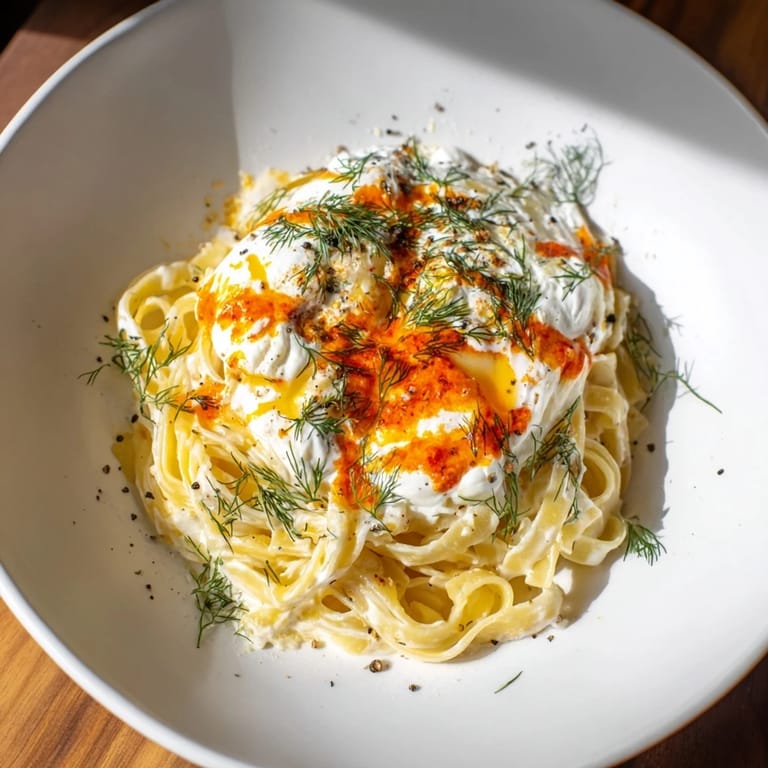
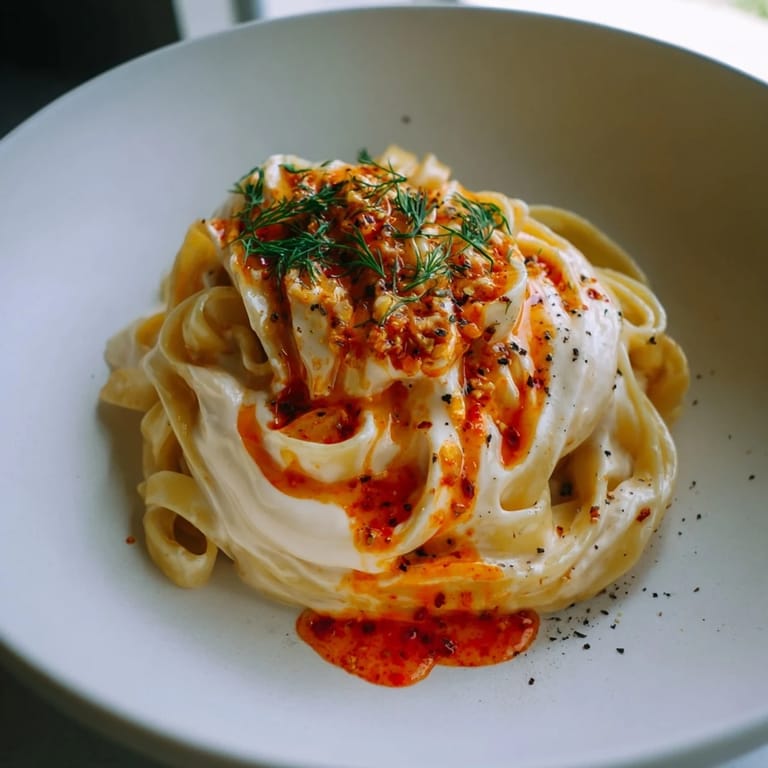
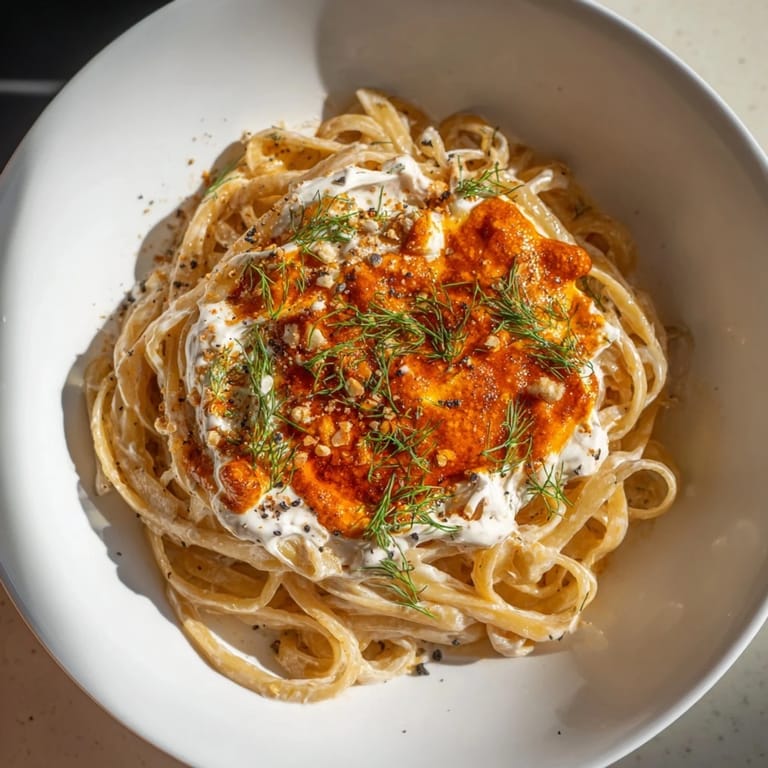
- Toss your drained pasta with a splash of reserved pasta water to loosen it slightly, then divide among serving plates. Spoon generous dollops of the garlicky yogurt over each portion, then drizzle the warm paprika butter in a thin stream so some pools on the plate.
- Finish and serve:
- Scatter fresh herbs over the top, crack some black pepper across everything, and serve immediately while the butter is still warm.
 Save It
 There was a moment during dinner when my partner reached for seconds without even asking, and I realized this dish had that rare quality of feeling both special and easy. That's when I knew it had earned its place in the regular rotation.
Why This Works
The genius of this dish is how the cool yogurt clings to hot pasta while the warm butter keeps everything from seizing up. Turkish food has always understood that yogurt isn't just a side dish—it's a sauce, a flavor builder, something that transforms simple carbs into something you want to slow down and savor. The paprika butter adds that missing richness and heat that makes you reach for another bite even when you're full.
Variations That Work
This recipe is flexible enough to shift with what you have on hand. I've made it with labneh instead of Greek yogurt when I'm aiming for something tangier, and the pasta drinks it up differently. Sometimes I'll wilt down some spinach or fresh greens into the butter before drizzling it over, which adds color and a whisper of something earthy without changing the fundamental character of the dish.
Serving Ideas and Pairings
This pasta is complete on its own but welcomes company—a simple green salad with lemon dressing cuts through the richness, and a crisp white wine like Sauvignon Blanc or a dry rosé pairs beautifully. I've even served it at small gatherings because it looks more complicated than it is, and people always want to know the secret.
- A squeeze of fresh lemon juice over the top just before eating brightens every layer of flavor.
- If you like heat, Aleppo pepper sprinkled over the finished dish adds complexity that regular chili flakes can't quite reach.
- Save leftover paprika butter in a small jar for drizzling over roasted vegetables or bread—it never goes to waste in my kitchen.
 Save It
 This dish reminds me that some of the best meals come from working with what you have rather than strict following of rules. It's the kind of food that brings people back to the table.
Common Questions About Recipes
- → How do I achieve the perfect texture for the pasta?
Cook the pasta in plenty of salted boiling water until al dente, usually a minute less than package instructions, to ensure a firm yet tender bite.
- → Can I adjust the spiciness of the paprika chili butter?
Yes, increase or decrease the chili flakes to suit your heat preference. Adding Aleppo pepper can also enhance the spice profile.
- → What can I use instead of Greek yogurt?
Labneh works well for a tangier twist, or a thick, creamy strained yogurt to maintain richness.
- → Is there a best herb to garnish this dish?
Fresh dill or parsley complements the flavors nicely by adding a bright, fresh note to the rich sauce.
- → Can this dish be made gluten-free?
Use gluten-free pasta varieties to accommodate dietary needs without sacrificing taste or texture.
- → How do I keep the paprika butter from burning?
Melt the butter and oil over medium heat and stir continuously for just 1-2 minutes until fragrant and colored, then remove from heat promptly.