 Save It
 My mum always said the best cakes taste like sunshine, and this lemon drizzle was her way of proving it. Years ago, I watched her make this for a garden party, the kitchen filling with that sharp, bright citrus scent that somehow made everything feel like a celebration. There's something almost magical about how a simple loaf tin transforms into something worthy of a special occasion—no fussy techniques, just good butter, eggs, and the unapologetic brightness of fresh lemons.
I'll never forget the first time I made this without my mum's guidance—I was so nervous about it being perfect that I nearly didn't add enough drizzle, terrified of oversaturating it. My partner watched me fussing and just laughed, saying, "It's cake, not a surgical procedure," and that's when I realized the best cakes are the ones made with a bit of carelessness and a lot of love. Now whenever I bake it, I think of how she'd make me taste the batter just to make sure the lemon was bright enough.
Ingredients
- Unsalted butter, softened (225g): This is your foundation—creaming it with sugar properly creates that tender crumb that makes this cake almost melt on your tongue.
- Caster sugar (225g): Don't swap this for muscovado or demerara; the fine grains dissolve into the butter and create the right texture.
- Large eggs (4): Room temperature eggs blend in smoothly and add lift without the need for extra raising agents beyond what's already in the flour.
- Self-raising flour (225g): This already contains baking powder, so you're not adding extra leavening—just make sure it's fresh and hasn't been sitting in your cupboard for two years.
- Zest of 2 unwaxed lemons: The zest is where all the aromatic oils hide, so don't skimp on it and make sure your lemons are unwaxed or very well scrubbed.
- Whole milk (2 tbsp): Just enough to keep things moist without making the batter too wet; you're not making a drizzle cake, you're making a proper loaf.
- Pinch of salt: This tiny amount amplifies the lemon flavor and prevents the cake from tasting one-dimensional or overly sweet.
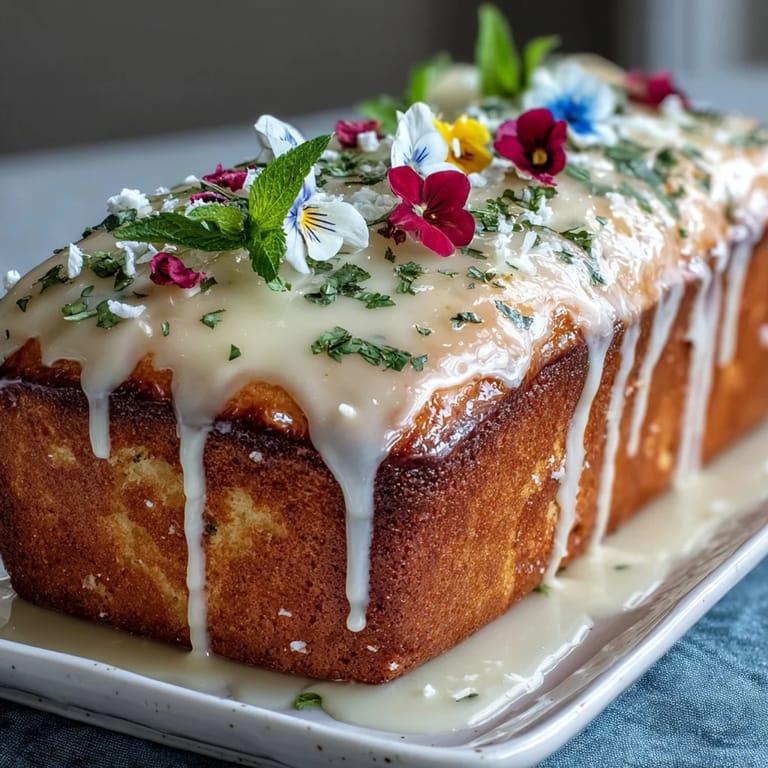
- Lemon juice (2 lemons worth) and icing sugar (125g): Mixed together, these create that glossy, tangy drizzle that soaks into the warm cake and tastes like concentrated sunshine.
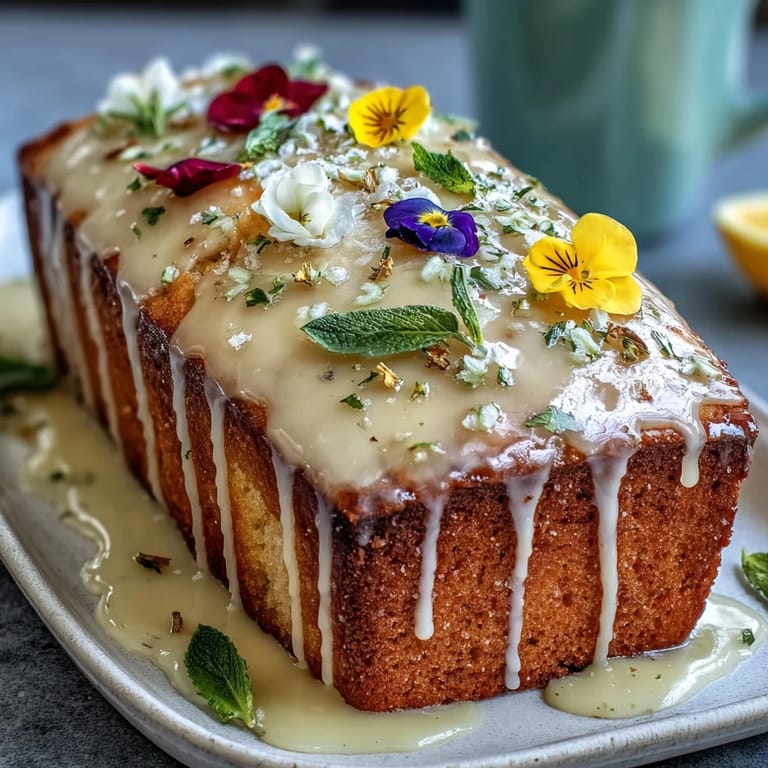
- Edible flowers: These aren't just decoration—they're a statement that says you've taken time to make something beautiful, whether for yourself or someone you love.
Tired of Takeout? 🥡
Get 10 meals you can make faster than delivery arrives. Seriously.
One email. No spam. Unsubscribe anytime.
Instructions
- Get your oven ready and prepare the tin:
- Preheat to 180°C (160°C fan) and line a 900g loaf tin with parchment paper, leaving a little overhang so you can lift the cake out later without wrestling with it.
- Cream the butter and sugar until it's pale and fluffy:
- This takes about 3–4 minutes with an electric mixer, or a good 5 minutes with a wooden spoon and some elbow grease. You'll know it's ready when you can see the transformation from a dense paste into something that looks almost like clouds.
- Add the eggs one at a time, beating well after each one:
- If you rush this step and dump all the eggs in at once, the mixture can separate and look curdled—not a disaster, but not ideal. Taking your time here makes the final cake silkier.
- Fold in the flour, lemon zest, milk, and salt gently:
- Use a spatula and fold until you just can't see streaks of flour anymore; overmixing develops the gluten and makes the cake dense and tough. Stop as soon as it looks combined.
- Pour into the tin and smooth the top:
- Tap the tin gently on the counter to release any air bubbles, then use a spatula to level the surface so the cake bakes evenly.
- Bake for 40–45 minutes until a skewer comes out clean:
- The kitchen will smell incredible, and you'll see the top turn a pale golden color. If a skewer poked in the center comes out with just a few moist crumbs (not wet batter), it's done.
- While the cake bakes, make your drizzle:
- Whisk the lemon juice and icing sugar together until smooth; if it's too thick, add a tiny splash more juice, and if it's too thin, add a bit more sugar.
- Poke holes and pour the drizzle while the cake is still warm:
- Using a skewer, make small holes all over the top of the cake while it's still in the tin, then slowly pour the drizzle so it soaks in. This is the magic moment—the warm cake drinks it all in.
- Cool completely before turning out:
- Let it sit in the tin until it's completely cool, which helps it hold together when you lift it out.
- Decorate and serve:
- Dust with extra icing sugar if you like, then scatter edible flowers on top just before serving so they stay vibrant and don't wilt.
 Save It
 The year my nan couldn't leave the house, I made this cake and brought it to her on a pretty plate with a real teacup and saucer instead of just handing it over wrapped in cling film. She took one bite and got that look people get when they taste something that brings back thirty years in one mouthful—and suddenly we spent the whole afternoon talking about gardens she used to keep, Sunday teas, and the small joys that mattered most. That's when I understood this cake isn't really about impressing anyone; it's about saying, "You matter enough for me to take time and make something beautiful."
Why Lemon Works for Everything
There's a reason every culture has lemon desserts—the brightness cuts through richness, wakes up your palate, and somehow tastes like hope. With this cake, the zest gives you that deep citrus character while the juice and glaze add a sharp sweetness that makes each bite feel fresh rather than heavy. Even in the depths of winter, a slice of this tastes like light.
The Art of Edible Flowers
I used to think edible flowers were fussy and unnecessary until a friend brought me a bunch of violas from her garden, and I realized they're not really about prettiness—they're about transformation. A simple cake becomes a moment, becomes a memory, becomes something you tell people about later. The flowers should feel scattered and natural, not arranged like a florist display; let some sit on the icing, let some perch on the edge of the plate.
Serving Suggestions and Storage
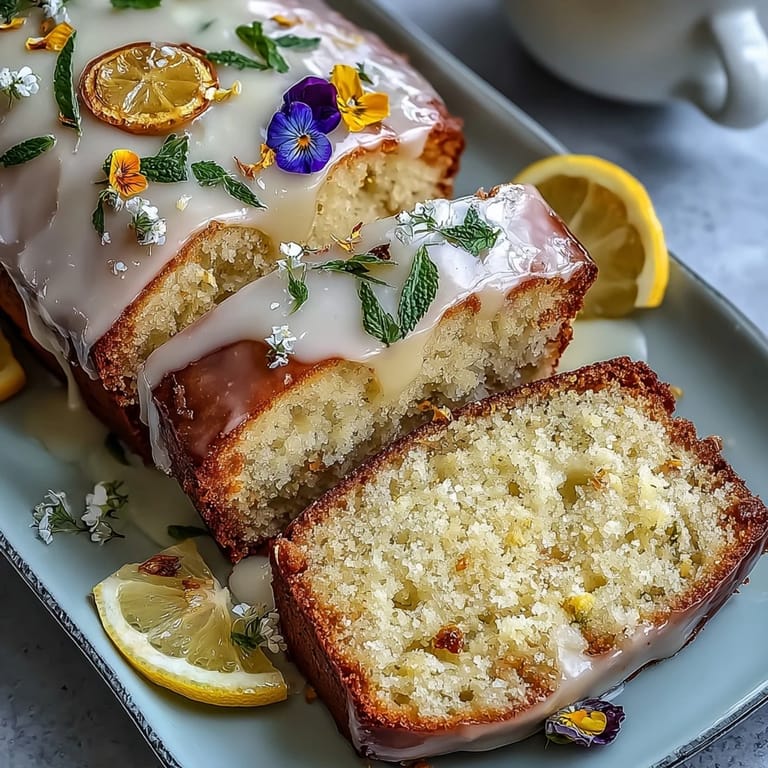
This cake is honestly best served at room temperature with a cup of tea, though a dollop of whipped cream or crème fraîche takes it from simple to indulgent without changing what makes it special. It keeps covered for three days, though it tends to disappear much faster than that, and it actually freezes beautifully for up to a month if you wrap it well before decorating.
- Serve thin slices for elegance, or cut yourself a thick wedge and eat it standing at the kitchen counter where no one's watching.
- If you're making this gluten-free, swap the self-raising flour for a gluten-free blend and add 1 tsp of baking powder to compensate.
- The edible flowers must go on just before serving—they bruise and darken if they sit too long on the cake.
 Save It
 This cake exists in that perfect space where you can make it for someone else and feel proud, or make it entirely for yourself and feel justified. Either way, you're left with something bright and tender that tastes like care, which is what matters most.
Common Questions About Recipes
- → How do I ensure the cake stays moist?
Be careful not to overmix the batter and pour the lemon drizzle over the warm cake so it soaks in, keeping the loaf moist.
- → Can I use other edible flowers for decoration?
Yes, use safe, pesticide-free edible flowers like violas, pansies, nasturtiums, or rose petals for an attractive finish.
- → Is there a gluten-free option available?
Substitute self-raising flour with a gluten-free alternative and add 1 tsp baking powder to maintain texture.
- → What is the best way to apply the lemon drizzle?
Poke holes with a skewer in the warm cake and slowly pour drizzle over it so it absorbs fully.
- → How long should the cake be baked?
Bake for 40–45 minutes at 180°C (160°C fan) until a skewer comes out clean from the center.