 Save It
 There's something almost magical about the day I realized I could make pasta in a microwave. I was living in a tiny apartment with minimal kitchen space, and my stovetop was perpetually occupied with something else. My friend Sarah mentioned she'd seen someone do it on her phone, and I was skeptical—how could something so simple actually work? But standing there in my kitchen one Wednesday night, hungry and curious, I decided to try it. Ten minutes later, I had perfectly cooked pasta that tasted just as good as anything I'd made the traditional way, and I haven't looked back since.
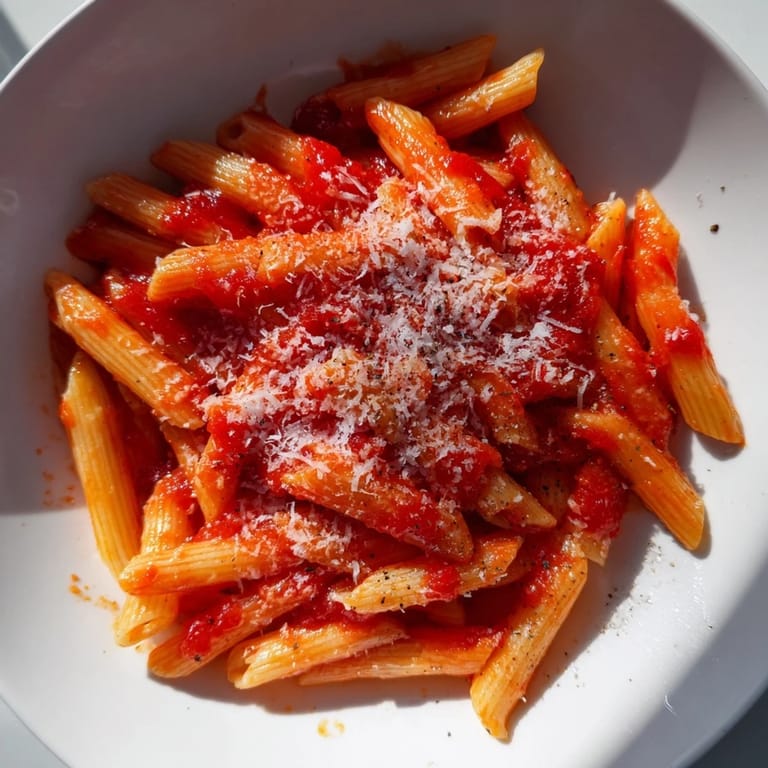
I made this for my partner on a Friday when we were both exhausted and genuinely didn't want to think about cooking. He watched me dump pasta and water into a bowl, skeptical the whole time, then stood there amazed as I pulled out something that looked restaurant-quality five minutes later. That moment shifted something for us—suddenly weeknight meals felt less like a chore and more like a tiny rebellion against the idea that good food has to be complicated.
Ingredients
- Dried pasta (85 g / 3 oz): Penne, fusilli, or elbow shapes work best because they cook evenly in the microwave and don't clump together like longer noodles sometimes do.
- Water (375 ml / 1 ½ cups): This amount is crucial—too much and you'll have soup, too little and the pasta won't cook properly.
- Salt (¼ tsp): Salting the water makes a real difference in flavor, even at this scale.
- Olive oil or butter (1 tsp, optional): Adds richness and prevents the pasta from sticking together in the bowl.
- Parmesan cheese (2 tbsp, grated): Fresh-grated tastes infinitely better than the pre-shredded kind and melts into the warm pasta beautifully.
- Black pepper: A crack or two of fresh pepper elevates this from basic to actually delicious.
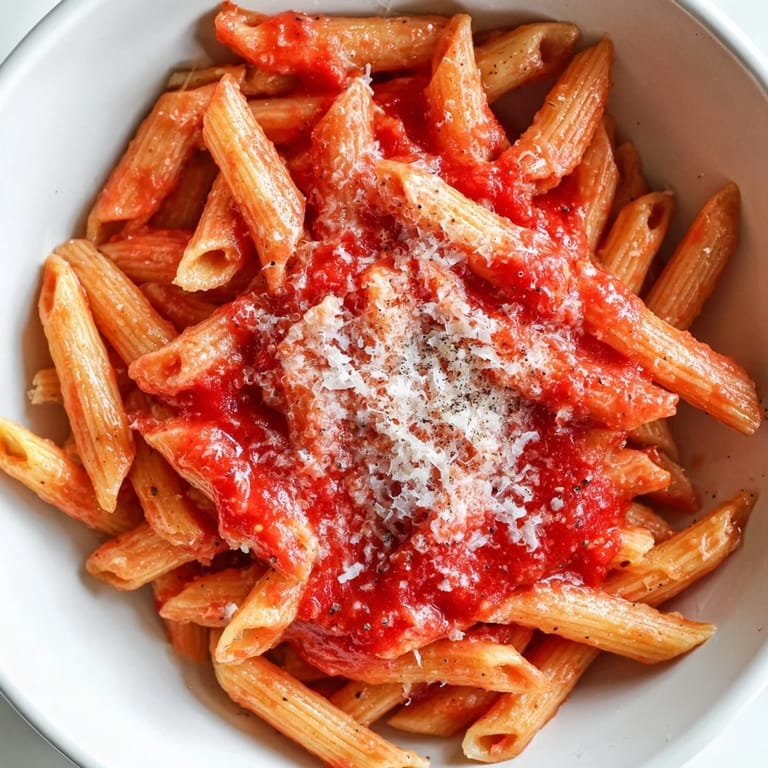
- Marinara sauce or pesto (2 tbsp, optional): If you want to go beyond butter and cheese, this is your shortcut to flavor.
Tired of Takeout? 🥡
Get 10 meals you can make faster than delivery arrives. Seriously.
One email. No spam. Unsubscribe anytime.
Instructions
- Get Your Bowl Ready:
- Grab a bowl that feels generously sized—the pasta should take up maybe half of it, giving the water room to bubble without making a mess inside your microwave. I learned this the hard way when my first attempt boiled over and left crusty pasta water all over the microwave walls.
- Combine Pasta, Water, and Salt:
- Pour in the dried pasta, add your water and salt, then give it a good stir so every strand gets wet. This helps everything cook evenly instead of some pieces being crunchy while others fall apart.
- First Microwave Round:
- Microwave on high for 4 minutes uncovered. You'll hear it starting to bubble and pop a little—that's exactly what you want. At the 4-minute mark, the pasta will be halfway there but still firm.
- Stir and Continue Cooking:
- Give the pasta a good stir so the pieces at the top move to the bottom where the water is. Then microwave in 2-minute increments, stirring after each burst, until the pasta is tender with just a tiny bit of firmness left when you bite it (that's al dente, and it's worth aiming for).
- Drain If Needed:
- If there's still excess water sitting at the bottom, carefully pour it off. Sometimes depending on your microwave's power and the pasta shape, you'll have slightly more or less liquid left over.
- Season and Finish:
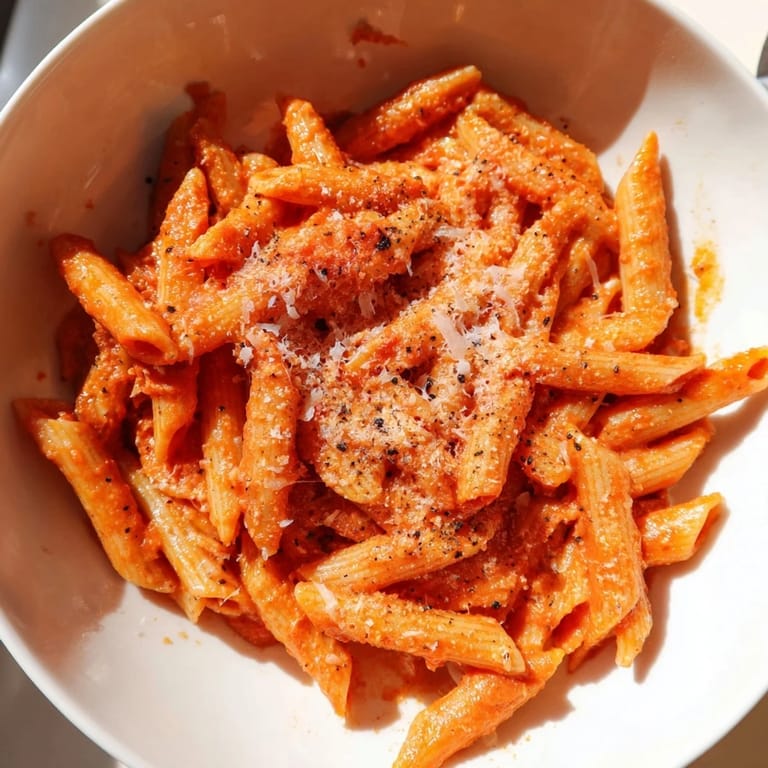
- While the pasta is still steaming, stir in your olive oil or butter so it coats everything, then add cheese, pepper, and any sauce you're using. The heat will melt the cheese into creamy ribbons, which is the whole point.
- Eat Immediately:
- Serve right from the bowl if you want, or transfer to a plate. Either way, eat it while it's hot—reheated microwave pasta gets a bit gluey.
 Save It
 There was a Tuesday night when I made this pasta while on a video call with my sister who lives across the country. She was stressed about work, I was tired from my day, but somehow stirring this bowl of pasta and talking made both of us feel more grounded. It became our little ritual on rough weeks—nothing fancy, just warm food and a moment that felt like sitting together even though we were miles apart.
Why Microwave Pasta Actually Makes Sense
I think we've been trained to believe that cooking certain foods requires specific equipment or traditional methods, but sometimes the simplest tools work just as well. This pasta proves that theory. The microwave heats the water and cooks the pasta with the same end result as a stove, just without the mess of managing a hot pot and using up a burner. If you've been intimidated by cooking or feel like you don't have proper kitchen space, this is your permission slip to make something genuinely good anyway.
Customizing Your Bowl Beyond Basic
Once you master the plain version, this becomes a template for whatever you're in the mood for. I've added frozen peas and corn straight into the microwave bowl so they warm up with the pasta, tossed in canned tuna for quick protein, or stirred through a handful of fresh spinach at the end and let it wilt from the heat. The beauty of this method is that it's fast enough to accommodate last-minute additions without extending your cooking time by much, which means you can actually be flexible and creative even when you're pressed for time.
Storage and Reheating Tips
If you somehow end up with leftovers, store them in an airtight container in the fridge for up to three days. Reheating is straightforward—splash a little water or milk over the pasta, cover loosely, and microwave in 30-second bursts until it's warm, stirring between each round so it doesn't heat unevenly. The texture won't be quite as fresh as when it's first made, but it's still perfectly edible for lunch the next day.
- Add a splash of milk or water when reheating to help prevent the pasta from drying out and getting starchy.
- Fresh toppings like herbs or extra cheese after reheating can make it feel less like leftovers.
- If the texture bothers you, this pasta is honestly best eaten within a few hours, so plan accordingly.
 Save It
 This recipe has genuinely changed how I think about cooking on busy days—it's proof that shortcuts don't have to mean sacrificing quality or flavor. If you're skeptical, I completely understand, but I'm asking you to try it once and see what happens.