 Save It
 My tita swore by her adobo—the kind where the kitchen fills with that distinctive vinegar-and-garlic steam that announces dinner before you even sit down. I watched her move through the steps like she wasn't really thinking, just letting her hands remember what her grandmother had taught her decades before. The first time I made it myself, I was surprised at how simple it was, and how the magic came from patience rather than technique. Now whenever someone asks for a recipe that tastes like home, this is what I reach for.
I made this for my partner on a rainy Tuesday when we both felt too tired to think, and somehow that simple bowl of chicken and rice turned the whole evening around. There's something about adobo that works like comfort in a pot—not fancy, but exactly what you need.
Ingredients
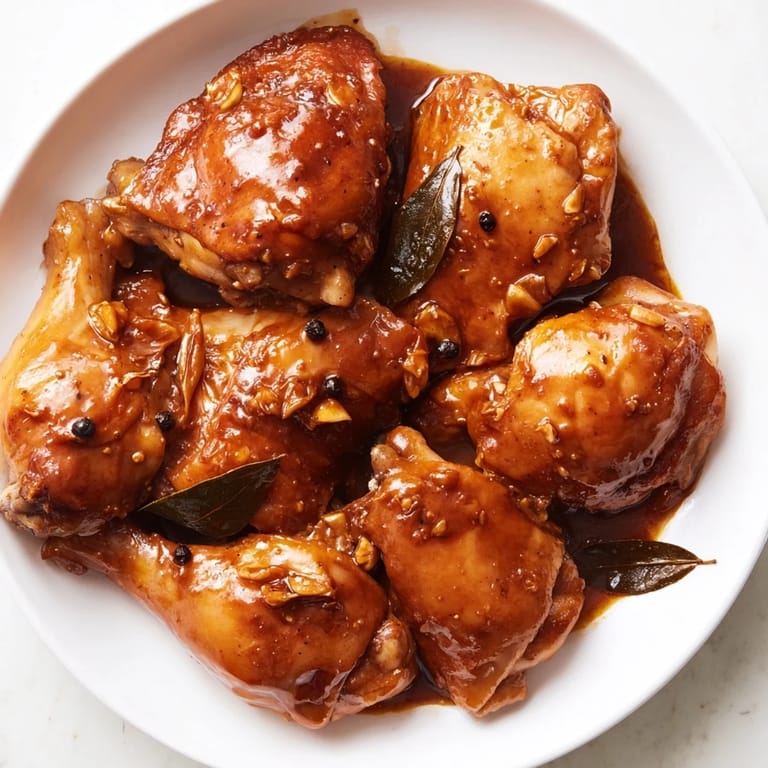
- Bone-in, skin-on chicken thighs and drumsticks (1.5 lbs): These cuts stay juicy during the long braise and give the sauce incredible flavor as they cook down. Dark meat is forgiving and won't dry out like breast would.
- Soy sauce (1/3 cup): Use regular or low-sodium based on your preference—it's the backbone of the dish and worth a good quality bottle.
- Cane vinegar or white vinegar (1/3 cup): Cane vinegar is traditional and mellower, but white vinegar works fine if that's what you have, just go easy and taste as you go.
- Garlic (6 cloves, smashed): Smashing releases the flavor faster than mincing and lets the cloves stay visible in the final dish.
- Bay leaves (2): These gentle, piney notes tie everything together without being obvious.
- Black peppercorns (1 teaspoon whole): Whole peppercorns stay gentle and release flavor slowly throughout cooking, giving a more rounded heat than ground pepper.
- Brown sugar (1 tablespoon, optional): A small pinch of sweetness balances the vinegar without making it dessert-like.
- Water (1/2 cup): This extends the sauce so it reduces evenly and coats the chicken beautifully.
- Cooking oil (2 tablespoons): Use neutral oil for browning—whatever you have on hand works.
- Steamed white rice and scallions: Rice is the foundation that soaks up every drop of sauce, and scallions add a fresh, sharp note at the end.
Tired of Takeout? 🥡
Get 10 meals you can make faster than delivery arrives. Seriously.
One email. No spam. Unsubscribe anytime.
Instructions
- Marinate the chicken:
- Combine your chicken with soy sauce, vinegar, garlic, bay leaves, peppercorns, and brown sugar in a bowl, then toss everything until the chicken is coated. Even 30 minutes makes a difference, but overnight in the fridge lets the flavors sink deeper into the meat.
- Dry and brown the chicken:
- Pull the chicken from the marinade (keep that liquid!) and pat it dry with paper towels so it browns properly. In a hot skillet with oil, lay the chicken skin-side down and let it sit for 3–4 minutes without moving—you want that skin golden and crispy.
- Build the sauce:
- Pour the reserved marinade and water back into the pan with the browned chicken, then bring it to a boil. Once it's bubbling, turn the heat down low, cover it, and let it simmer gently for 25 minutes, turning the chicken once halfway through so it cooks evenly.
- Reduce and finish:
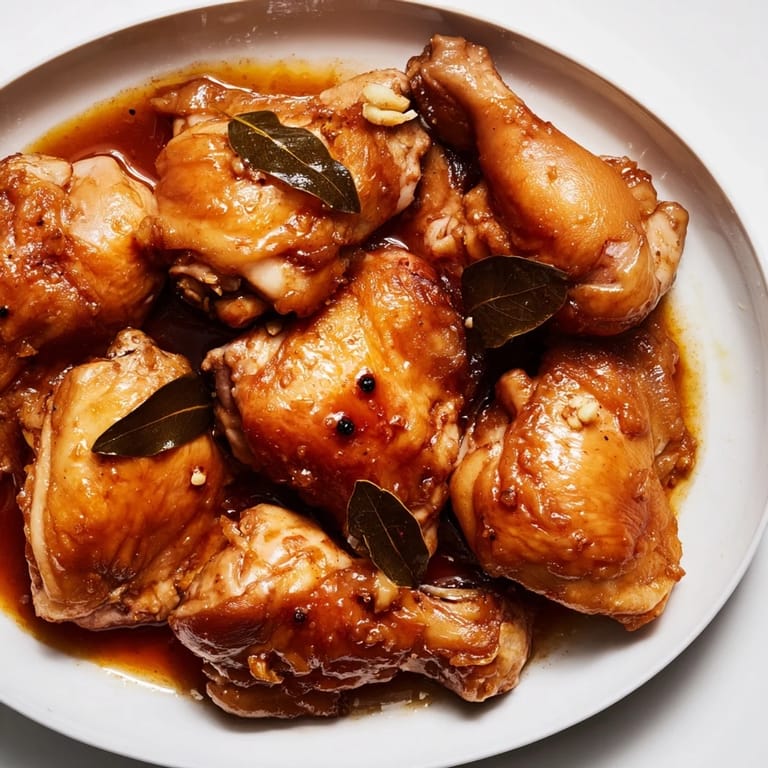
- Uncover the pot and simmer for another 10–15 minutes until the sauce thickens and clings to the chicken. Skim off any fat that rises to the surface if you like, taste for salt and acid, then fish out those bay leaves before serving.
 Save It
 I remember my grandmother sitting at the table with a spoon in one hand and a piece of chicken in the other, closing her eyes as she tasted it and nodding once—that small gesture of approval meant everything. Now when I serve this to people, I see that same quiet satisfaction on their faces.
Why This Dish Matters
Adobo isn't just a recipe—it's the Filipino equivalent of Sunday dinner, something that appears at celebrations and quiet nights alike. The vinegar and soy balance each other in a way that tastes both ancient and alive, and the long braise turns simple chicken into something that tastes like it took hours to prepare, even though most of that time is just letting the heat do the work. It's proof that the best food doesn't need to be complicated.
Building Flavor Through Patience
This dish taught me that cooking isn't always about rushing to make something impressive—sometimes the point is to set a pot on the stove and let time and heat transform ordinary ingredients into something extraordinary. Every minute of simmering adds another layer of flavor, and the reduction at the end is where the magic happens. That's when the sharp vinegar mellows, the soy deepens, and the whole sauce becomes something you want to soak into every grain of rice.
Serving and Sharing
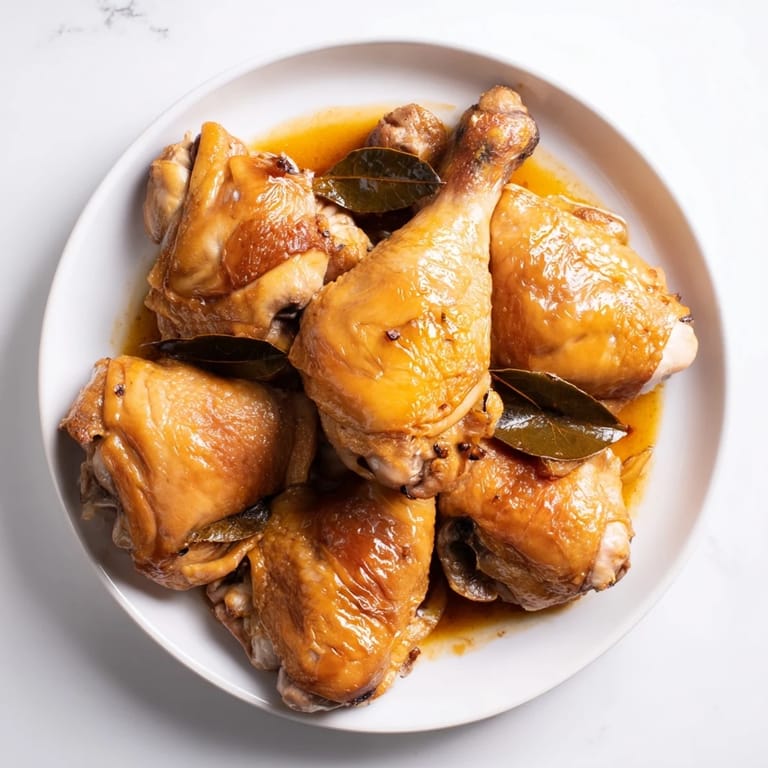
There's a reason adobo shows up at family tables across the Philippines and in Filipino homes around the world—it brings people together without fuss or pretense. Serve it hot over rice with a simple vegetable on the side, or eat it straight from the pot if you're alone and no one's watching. The leftovers keep beautifully and taste even better as the flavors settle and marry together.
- Pair it with a quick pickled vegetable or simple salad to cut through the richness if you want balance on your plate.
- If you have extra sauce, save it and use it as a marinade or glaze for vegetables the next day.
- This freezes well for up to three months, so you can make a double batch and have comfort food waiting whenever you need it.
 Save It
 This is the kind of recipe that gets better with repetition, each time you make it your hands remember a little more. Serve it with pride and watch people come back for more.