 Save It
 Midway through spring, the kitchen window is open and a breeze carries the scent of wildflowers as I stir flour and honey for these dandelion honey scones. The first time I made them, it was partly curiosity and partly necessity—the neighbor's bees had left jars of amber honey at our door, begging to be used in something special. Measuring and mixing as the sunlight danced across the countertop, I realized how much joy these humble scones could bring. Whisking the egg felt almost meditative, and by the time the golden rounds came out of the oven, the room was flooded with an irresistible warmth. Each batch since is a celebration of spring's subtle sweetness, best enjoyed with clotted cream and laughter.
One rainy afternoon, I baked these scones for a small group of friends who arrived, umbrellas dripping, still bundled in jackets. Conversation drifted around the table as I handed out warm rounds with dollops of clotted cream, and someone sighed—the familiar comfort of home in every bite. Watching crumbs scatter and honey drizzle, I couldn't help but smile at how effortless sharing can be when there's good food and company. It was the kind of moment where the world feels paused, wrapped in flour-dusted gratitude. These scones have since become the centerpiece of many spontaneous gatherings.
Ingredients
- All-purpose flour: Gives the scones structure and a delicate crumb; sift for lighter results.
- Granulated sugar: Just enough to sweeten without overpowering; blend well so the dough stays even.
- Baking powder: Essential for a lofty rise; always check for freshness before baking.
- Fine sea salt: Highlights flavors and tames the sweetness; sprinkle evenly.
- Cold unsalted butter: The secret to a flaky, tender interior; keep it chilled and cut into cubes just before adding.
- Dandelion honey (or mild honey): Offers aromatic sweetness; gentle warming brings out its floral notes.
- Whole milk: Adds richness and moisture; pour chilled and measure accurately.
- Egg: Binds the dough and enhances color; beat until smooth for best texture.
- Clotted cream: Lush, velvety topping; scoop generously for true indulgence.
- Dandelion honey (for serving): Perfect for a fragrant finish; drizzle just before eating.
Tired of Takeout? 🥡
Get 10 meals you can make faster than delivery arrives. Seriously.
One email. No spam. Unsubscribe anytime.
Instructions
- Get Ready to Bake:
- Preheat your oven to 400°F (200°C) and line a baking sheet with parchment paper. The kitchen will start to feel cozy and expectant.
- Mix the Dry Ingredients:
- Combine flour, sugar, baking powder, and salt in a large bowl—the whisk gently lifts each scent to mingle together.
- Work in the Butter:
- Add the cold, cubed butter and rub it in with fingertips or a pastry blender until tiny clumps form, like little pebbles hiding in the dough.
- Blend the Wet Ingredients:
- Whisk honey, milk, and egg in a separate bowl; the honey dissolves slowly, making everything silky and golden.
- Bring Wet and Dry Together:
- Pour wet mixture into dry and gently stir with a fork—the dough looks shaggy and uneven, so avoid overmixing.
- Shape the Dough:
- Turn onto a floured surface, pat into a 1-inch thick round, feeling the cool roughness beneath your palms.
- Cut the Scones:
- Press out rounds with a 2.5-inch cutter, then gather and repeat until every bit of dough is turned into a scone.
- Brush and Bake:
- Brush tops with milk for gloss—scones bake 12–15 minutes, turning golden and fragrant.
- Cool and Serve:
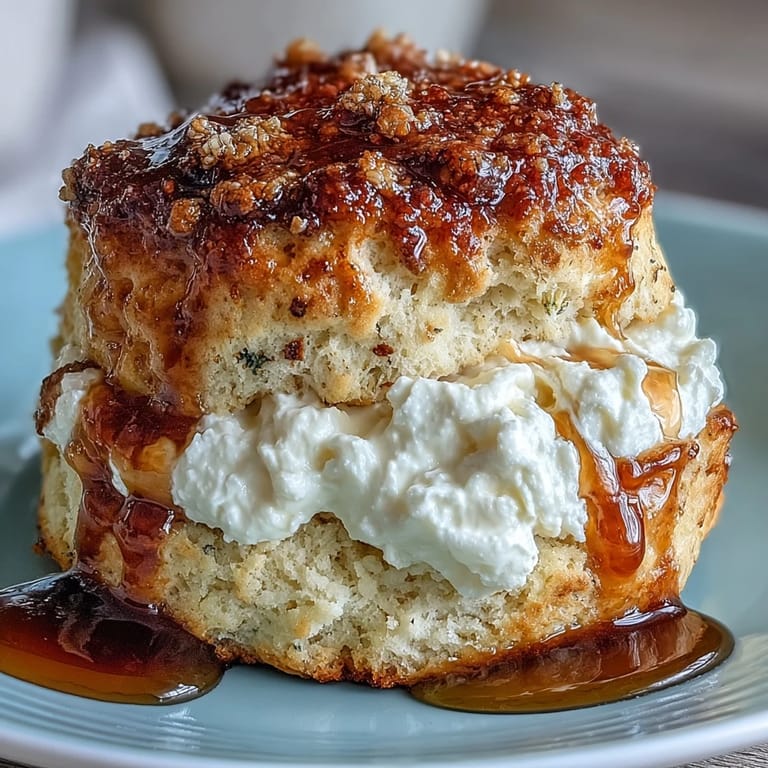
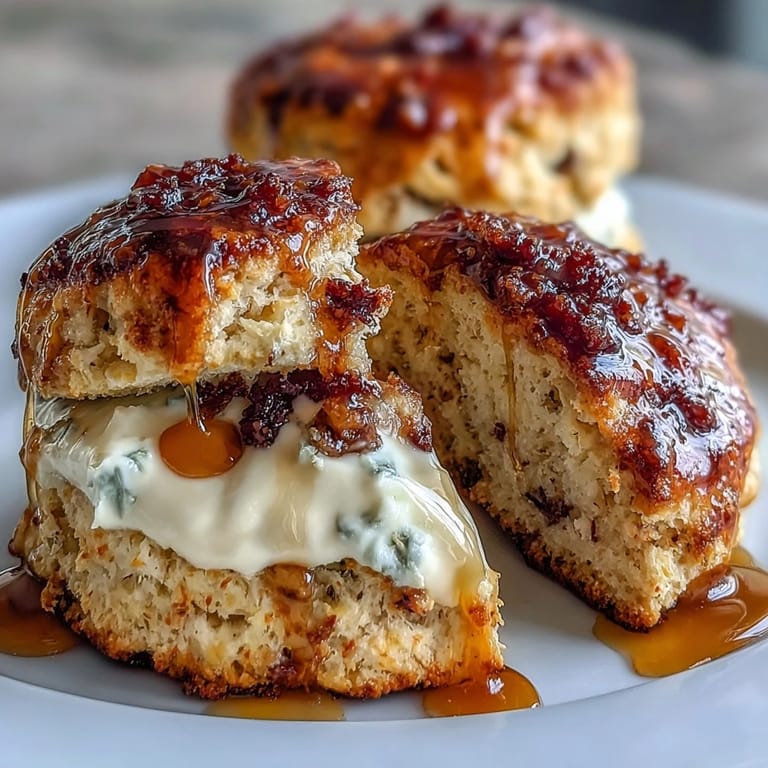
- Transfer to a wire rack and serve warm with clotted cream and a slow drizzle of dandelion honey.
 Save It
 That time I packed these scones for a picnic by the river, I realized how a simple baked treat can turn a curious outing into a tradition. My friends marveled at the golden crumb and the hint of wild honey, making every bite feel like a toast to the changing seasons. There was laughter, a bit of clotted cream on noses, and the unmistakable feeling that we'd found something worth returning to. When someone asked for the recipe, I handed it over—scones have a way of fostering shared stories.
How to Choose the Right Honey
After tasting a few varieties, I found that mild, floral honey works best for these scones. Strongly flavored honeys can overpower the subtle balance, but dandelion honey offers sweetness without distraction. Experiment if you're curious, but stick with gentle notes for a classic result.
Secrets for Tender Scones
Keep your butter cold and handle the dough lightly; warming the ingredients causes the scones to flatten and lose that prized flakiness. Using a quick mixing motion preserves the shape, and forming the dough gently keeps every scone consistently airy.
Serving Suggestions for a Memorable Tea
Scones layered with clotted cream and a drizzle of honey turn any tea moment into a small celebration. I like to set out quirky serving dishes, pass a pot of strong black tea, and encourage guests to top their scones however they please. The mix of rich cream and subtle honey always draws compliments. A little fresh fruit on the side goes a long way to complete the plate.
- Serve scones warm for best texture.
- Keep extra honey on hand for those who crave more sweetness.
- Don't forget a napkin; it gets delightfully messy.
 Save It
 If you share these scones with anyone, expect requests for seconds. Baking them is a gentle reminder that simple things done well can feel extraordinary.
Common Questions About Recipes
- → How do I get a light texture?
Cold butter rubbed into flour ensures a crumbly, tender scone. Avoid overmixing after adding wet ingredients.
- → Can I substitute dandelion honey?
Use mild-flavored honey if dandelion honey isn't available. The flavor remains subtly sweet and floral.
- → What should I serve with these scones?
Clotted cream and an extra drizzle of honey complement the scones. Crème fraîche or mascarpone are alternatives.
- → How should I store leftover scones?
Store cooled scones in an airtight container for up to 2 days. Warm briefly before serving for best texture.
- → Are these scones suitable for vegetarians?
Yes, the scones use dairy and eggs but no meat, making them suitable for vegetarian diets.
- → Can I add floral notes?
Mix in dried dandelion petals with the dry ingredients for a gentle floral aroma and visual appeal.