 Save It
 I stumbled into mapo tofu on a cold Tuesday night when my usual takeout place was closed. Armed with a block of tofu I'd been ignoring and a jar of doubanjiang my neighbor swore by, I followed my nose more than any recipe. The kitchen filled with a smell so sharp and intoxicating that I forgot I was winging it. When I took the first bite, the numbing tingle from the Sichuan peppercorns hit before the heat did, and I understood why people call this dish addictive.
The first time I made this for friends, I worried the peppercorns would be too much. Instead, everyone went quiet for a few seconds, then reached for seconds before their bowls were even empty. One friend said it was like eating lightning, which still makes me laugh. That night, we went through two pots of rice and I realized this dish doesn't just feed people, it starts conversations.
Ingredients
- Silken or soft tofu: The silky texture soaks up the sauce like a sponge, though I've learned to handle it gently or it crumbles into a delicious mess.
- Ground pork or beef: Adds a savory depth, but leaving it out for a vegetarian version doesn't diminish the flavor at all.
- Sichuan doubanjiang: This fermented chili bean paste is the heart of the dish, salty and funky and impossibly red.
- Soy sauce: Brings umami and balances the heat without overpowering the other flavors.
- Shaoxing wine: A splash of this rice wine cuts through the richness and adds a subtle sweetness.
- Sugar: Just a teaspoon rounds out the sharp edges and lets the spice bloom.
- Chicken or vegetable broth: The liquid that becomes the glossy, clingy sauce you'll want to spoon over everything.
- Cornstarch slurry: This is what transforms broth into a sauce that coats the back of a spoon.
- Sichuan peppercorns: Toasting them releases an electric, floral buzz that defines this dish.
- Vegetable oil: Neutral enough to let the doubanjiang and peppercorns shine.
- Garlic and ginger: The aromatic backbone that fills your kitchen with warmth the second they hit the pan.
- Scallions: Whites go in early for sweetness, greens go in at the end for a fresh bite.
- Dried red chilies: Optional, but I like the way they look and the extra kick they sneak in.
- Steamed jasmine rice: The soft, neutral canvas that lets the tofu take center stage.
Tired of Takeout? 🥡
Get 10 meals you can make faster than delivery arrives. Seriously.
One email. No spam. Unsubscribe anytime.
Instructions
- Prep your mise en place:
- Drain and cube the tofu, whisk together the cornstarch and water, and chop your garlic, ginger, and scallions. Having everything ready makes the cooking feel like a dance instead of a scramble.
- Toast the peppercorns:
- Warm your pan over medium heat, toss in the Sichuan peppercorns, and let them turn fragrant and just a shade darker. Grind them up and set them aside.
- Build the aromatics:
- Pour in the oil, then add the scallion whites, garlic, and ginger. Stir for about a minute until the smell makes you lean closer to the stove.
- Brown the meat:
- If you're using pork or beef, add it now and break it apart with your spoon. Cook until it's no longer pink and starting to sizzle at the edges.
- Bloom the doubanjiang:
- Stir in the chili bean paste and dried chilies, cooking for a minute or two until the oil turns a deep, fiery red. This is where the magic starts.
- Add the liquids:
- Pour in the Shaoxing wine, soy sauce, sugar, and broth. Let it come to a gentle simmer, and watch the sauce begin to meld.
- Simmer the tofu:
- Slide the tofu cubes into the pan as gently as you can. Spoon the sauce over them and let everything simmer together for about five minutes, stirring only when you must.
- Thicken the sauce:
- Give your cornstarch slurry a quick stir, then drizzle it into the pan. Fold it in gently until the sauce clings to the tofu like a glossy blanket.
- Finish with peppercorns and scallions:
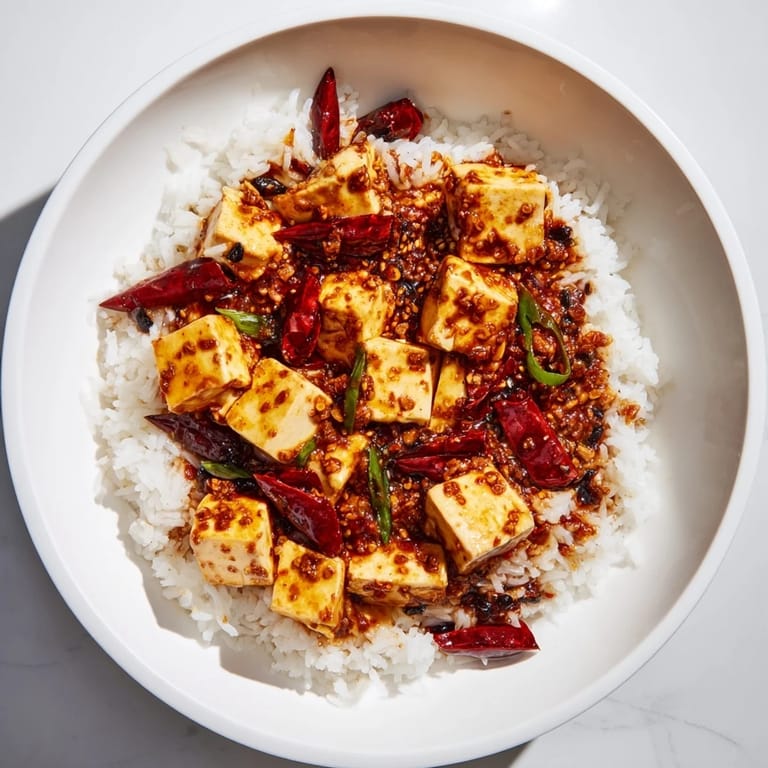
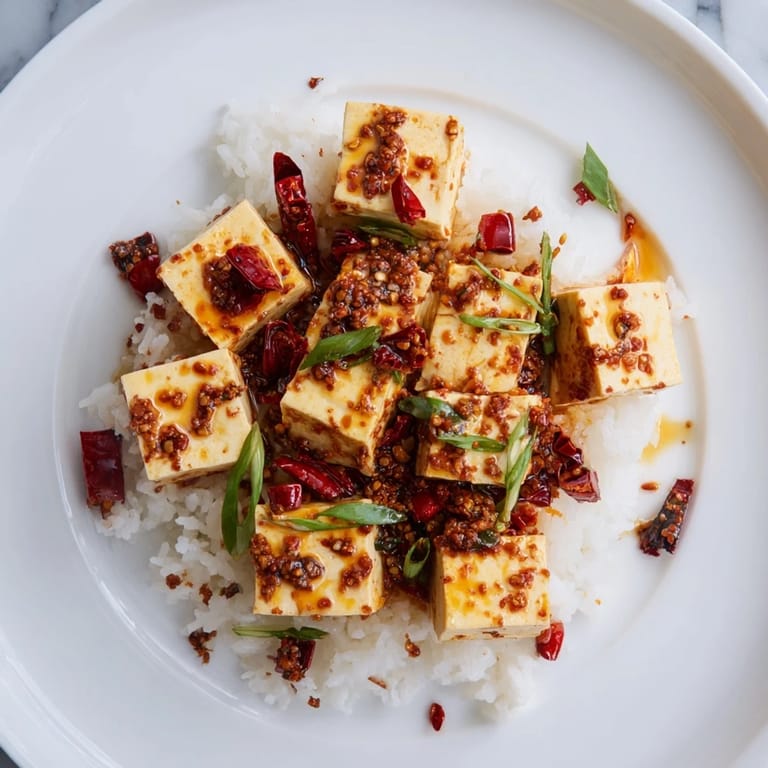
- Sprinkle the ground Sichuan peppercorns over the top, followed by half the scallion greens. The green against the red is almost too pretty to eat.
- Serve hot:
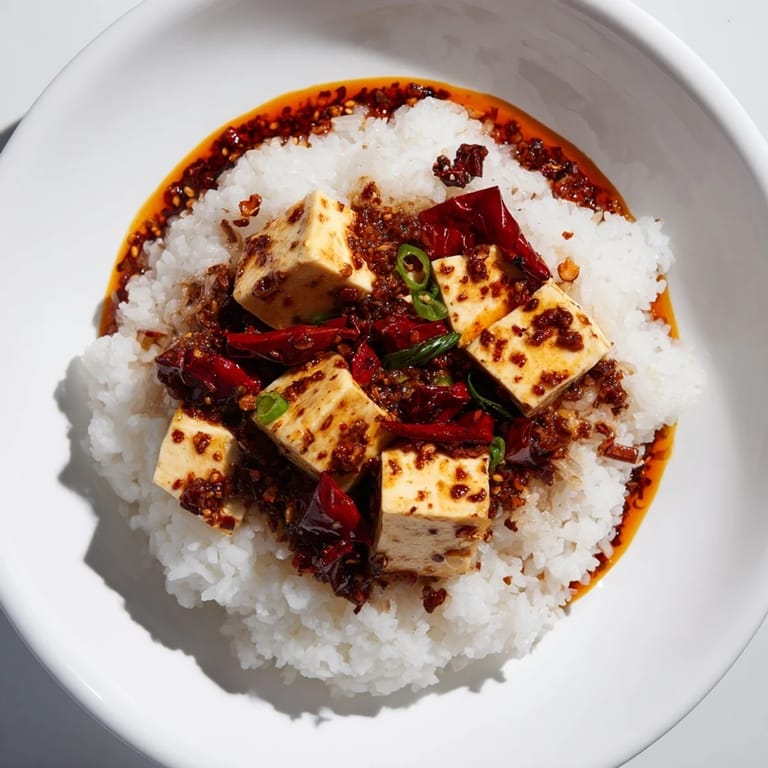
- Spoon the mapo tofu over steamed rice, scatter on the remaining scallions, and drizzle with chili oil if you're feeling bold.
 Save It
 I made this the night my sister came over after a rough week. She took one bite, closed her eyes, and said it tasted like comfort with an edge. We ate in silence for a while, then talked until the pot was empty. That's when I realized some dishes don't just fill you up, they remind you you're alive.
Choosing Your Tofu
Silken tofu gives you that melt in your mouth texture that soaks up the sauce beautifully, but it's fragile and breaks if you're not careful. Firm tofu holds its shape better and stands up to more vigorous stirring, though it won't absorb quite as much flavor. I've learned to pick based on my mood, silky when I want luxury, firm when I'm cooking for a crowd and need something sturdy.
Adjusting the Heat
The beauty of mapo tofu is that you control the fire. Start with less doubanjiang and fewer dried chilies, then taste and add more if you want to push it. I've made this for friends who can't handle spice by cutting the chili bean paste in half and skipping the dried chilies entirely, and they still raved about the depth of flavor. The Sichuan peppercorns bring the numbing sensation, not the heat, so you can keep them even if you tone down the fire.
Storing and Reheating
Leftovers keep in the fridge for up to three days, though the tofu can release some water as it sits. Reheat gently on the stovetop over low heat, adding a splash of broth if the sauce has thickened too much. The flavors actually deepen overnight, so don't be surprised if day two tastes even better than day one.
- Store in an airtight container to keep the sauce from drying out.
- Avoid microwaving on high, it can turn the tofu rubbery and split the sauce.
- Garnish with fresh scallions and a drizzle of chili oil just before serving to bring it back to life.
 Save It
 This dish taught me that bold flavors don't need to be complicated, just honest. Every time I make it, I'm reminded that the best meals are the ones that wake you up, make you pay attention, and leave you craving more.
Common Questions About Recipes
- → What is the key ingredient that gives Mapo Tofu its unique flavor?
The distinctive taste comes from Sichuan doubanjiang, a fermented chili bean paste, combined with toasted Sichuan peppercorns, which provide a numbing spice.
- → Can I make this dish vegetarian?
Yes, simply omit the meat and use vegetarian doubanjiang and vegetable broth to keep it flavorful and plant-based.
- → How do I avoid breaking the tofu while cooking?
Gently slide cubed tofu into the sauce and stir minimally while simmering to maintain its delicate texture.
- → What type of tofu works best in this dish?
Silken or soft tofu gives a silky texture, though firm tofu holds its shape better during cooking if preferred.
- → What side is traditionally served with this dish?
Steamed jasmine rice is typically served alongside to balance the bold and spicy sauce.