 Save It
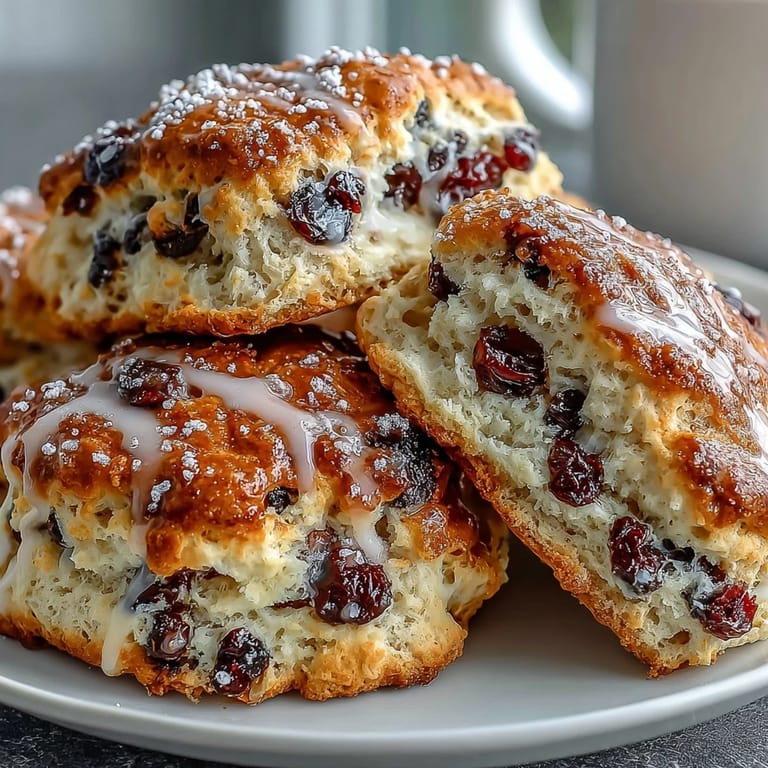
 My sourdough starter had been neglected for weeks, sitting in the back of my fridge with that familiar layer of liquid on top, and I couldn't bear to throw it away. One Saturday morning, a friend texted asking if I wanted to grab brunch, and suddenly I thought: why not just make it here? I'd been craving scones anyway, the kind that are tender enough to fall apart but sturdy enough to hold up to butter and jam. That's when it hit me—what if I used that sourdough discard to give them a subtle tang and make them feel less ordinary? Two hours later, we were pulling golden wedges from the oven, the kitchen smelling like lemon and butter and breakfast done right.
I made these for my partner's parents one Sunday, and his mom actually stopped mid-chew and said, "Wait, is this sourdough?" in a tone that suggested I'd just revealed some culinary secret. She's not easily impressed, so watching her come back for a second one felt like winning something. They've asked me to make them every time they visit now, which means I'm perpetually feeding my starter and timing my bakes around their schedule.
Ingredients
- All-purpose flour (2 1/4 cups): The foundation—use a brand you trust, and if you're weighing (which I always do now), make sure your scale is zeroed properly.
- Granulated sugar (1/4 cup): Just enough sweetness to balance the tang and the tartness of the lemon without making these dessert scones.
- Baking powder and baking soda (1 tablespoon and 1/2 teaspoon): The baking soda especially reacts with the acidity of the sourdough discard to help your scones rise tall and fluffy.
- Fine sea salt (1/2 teaspoon): This isn't optional—it anchors all the flavors and keeps them from tasting one-dimensional.
- Lemon zest (from 1 large lemon): Zest before you juice, and don't be shy; the tiny flecks are what make people ask what your secret ingredient is.
- Cold unsalted butter (1/2 cup, cubed): Cold is non-negotiable here—those little pieces create the tender, flaky texture that makes scones worth making at all.
- Sourdough discard (1 cup, unfed, room temperature): This is the star; unfed discard has that perfect balance of tang without being aggressively sour, and room temperature means it mixes smoothly.
- Heavy cream (1/4 cup, plus more for brushing): Rich and reliable, though buttermilk works too if you want something lighter.
- Large egg (1): Acts as a binder and helps give the scones that beautiful golden top when you brush it on.
- Pure vanilla extract (1 teaspoon): A quiet background note that rounds out the lemon and lends a faint sweetness.
- Freshly squeezed lemon juice (2 tablespoons): Bottled just won't taste the same; the brightness matters here.
- Fresh blueberries (1 cup): Frozen works too—straight from the freezer, in fact, because that way they don't bleed into your dough and turn everything tie-dye.
- Coarse sugar (2 tablespoons, optional for topping): Honestly, skip this if you're in a rush, but if you have it, the sparkle and crunch make a difference.
Tired of Takeout? 🥡
Get 10 meals you can make faster than delivery arrives. Seriously.
One email. No spam. Unsubscribe anytime.
Instructions
- Get your oven ready and prep your workspace:
- Heat your oven to 400°F (200°C) and line a baking sheet with parchment paper—this prevents sticking and makes cleanup a breeze. While the oven preheats, make sure your butter is still cold and cubed; if your kitchen is warm, this is the moment to pop it back in the fridge for a minute.
- Combine your dry ingredients:
- In a large bowl, whisk together the flour, sugar, baking powder, baking soda, salt, and lemon zest until everything is evenly distributed. You'll see those tiny lemon zest specks throughout, and that's exactly what you want.
- Cut in the cold butter:
- Add the cold, cubed butter to the dry mixture and use a pastry blender, two knives, or your fingertips (my preferred method, honestly) to work it in until the texture looks like coarse breadcrumbs. You want some small pea-sized pieces of butter still visible—these create pockets of steam that make your scones flaky.
- Mix the wet ingredients separately:
- In another bowl, whisk together the sourdough discard, heavy cream, egg, vanilla extract, and fresh lemon juice until smooth and combined. The mixture should look creamy and relatively uniform.
- Bring it all together gently:
- Pour the wet mixture into the dry ingredients and stir with a wooden spoon or spatula until just combined—and I mean just barely. A few small streaks of flour are okay; overmixing will make your scones tough and dense, which defeats the entire purpose.
- Fold in the blueberries with care:
- Very gently fold the blueberries into the dough using a spatula, turning the bowl as you go rather than stirring aggressively. If they're frozen, add them straight from the freezer—the cold helps them stay whole.
- Shape your dough into a circle:
- Turn the dough out onto a lightly floured surface (don't be heavy-handed with the flour) and pat it gently into a circle about 1 inch thick and roughly 7 inches in diameter. You're not looking for perfection here; rustic is beautiful.
- Cut into wedges:
- Using a sharp knife or a bench scraper, cut the circle into 8 wedges like you're cutting a pizza. Transfer each wedge to your prepared baking sheet, leaving a little space between them so they can rise without touching.
- Add the finishing touch:
- Brush the tops of each scone lightly with additional cream and sprinkle with coarse sugar if you're using it. This gives them a beautiful, sparkly finish and a slight crunch.
- Bake until golden:
- Slide into the oven for 18 to 22 minutes—every oven is different, so start checking around 18 minutes. They're done when the tops are a deep golden brown and a toothpick inserted into the center comes out clean or with just a few moist crumbs.
- Cool with patience:
- Let them sit on the baking sheet for 5 minutes (this helps them set), then transfer them to a wire rack to cool completely. I know it's hard to wait, but those first few minutes out of the oven are when they finish cooking through.
 Save It
 What really got me about these scones is when my neighbor smelled them baking and knocked on the door halfway through, unannounced, which she'd never done before. I had to give her one warm from the oven with butter, and watching her face light up reminded me that baking isn't really about precision or impressing people—it's about those small, honest moments of sharing something delicious.
The Magic of Sourdough Discard
Using sourdough discard instead of just throwing it away feels like you've cracked some code. The tang it brings is subtle but unmistakable, lending a depth that plain scones don't have. I used to feel guilty discarding it, but now I actually plan my starter maintenance around baking days because I know there's something worth making on the horizon.
Lemon Matters More Than You Think
The brightness of lemon is what keeps these scones from tasting heavy or one-note. Both the zest and the juice work together—the zest gives visual flecks and aromatic bursts, while the juice adds actual flavor depth and helps balance the richness of the butter and cream. I learned this the hard way by making a batch without the juice once, and they tasted flat by comparison.
Storage and Serving Suggestions
These are absolutely best eaten fresh and warm, ideally within a few hours of baking. If you do have leftovers—which rarely happens at my house—store them in an airtight container at room temperature for up to two days. A quick 10-minute warm-up in a 300°F oven brings them back to almost-fresh texture.
- Serve with clotted cream and jam, or keep it simple with just good butter and honey.
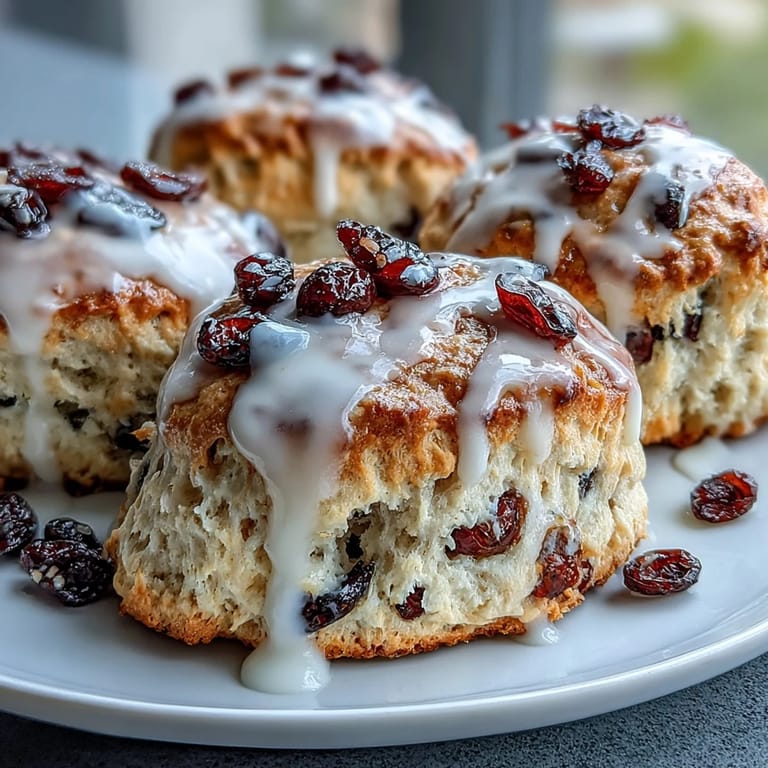
- For extra lemon flavor, make a simple glaze by mixing powdered sugar with fresh lemon juice and drizzle it over the cooled scones.
- These freeze beautifully before baking—shape and freeze them on a baking sheet, then bake straight from frozen, adding just 2 to 3 minutes to the bake time.
 Save It
 These scones have become my go-to when I want to feel like I've done something special without spending hours in the kitchen. There's something about pulling a batch of warm, golden scones from the oven that just makes the day feel a little brighter.
Common Questions About Recipes
- → What is the purpose of using sourdough discard in the dough?
Sourdough discard adds a gentle tangy flavor and helps create a tender, flaky texture in the scones without requiring added yeast.
- → Can I use frozen blueberries instead of fresh?
Yes, fold frozen blueberries straight into the dough to prevent the color from bleeding and avoid overmixing.
- → How do I achieve the perfect scone texture?
Use cold butter cut into the dry ingredients and mix gently to keep the dough crumbly, baking at a high temperature for a golden crust.
- → What can I substitute for heavy cream if needed?
Buttermilk makes a great alternative, adding moisture and slight acidity that complements the lemon flavor well.
- → How can I enhance the lemon flavor after baking?
Drizzle a simple lemon glaze made from powdered sugar and lemon juice over cooled scones for an extra citrusy brightness.